
Understanding EV Charging Curves: How to Charge Your Electric Vehicle Smarter
As a leading EV charger manufacturer in China, LiCB Charge offers reliable AC and DC electric vehicle charging stations along with comprehensive charging solutions.
Electric vehicles (EVs) are rapidly transforming the transportation landscape, offering a cleaner and more sustainable alternative to gas-powered cars. But one of the most important things EV owners need to understand is how to charge their vehicles efficiently—and that starts with the concept of the EV charging curve.
This article breaks down what EV charging curves are, the factors that influence them, and how you can optimize your charging habits to protect your battery and save time.
What Is an EV Charging Curve?
An EV charging curve is a graph that shows how the speed of charging changes during a charging session. Contrary to what some may think, your EV doesn't charge at a constant speed from 0% to 100%. Instead, the charging rate varies depending on a few key conditions, most notably the state of charge (SOC) and battery temperature.
-
At low SOC (under 20%): Charging starts slow. This is intentional—your EV’s battery management system (BMS) protects the battery by limiting the current when it’s very low.
-
From 20% to 50%: Charging speeds up and hits its peak rate. This is the most efficient part of the curve.
-
After 80% SOC: Charging slows down significantly. This tapering protects the battery from overheating or overcharging.
The result is a curve that starts slow, ramps up in the middle, and slows down again as it nears full capacity.
What Affects the EV Charging Curve?
Several factors influence how your EV charges. Understanding them can help you make better decisions about when and how to charge.
1. Charger Type: AC vs. DC
-
AC (Alternating Current) Chargers
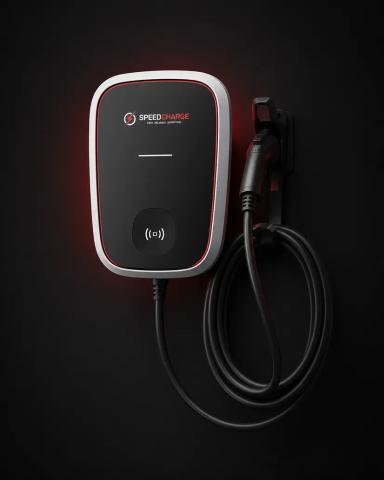
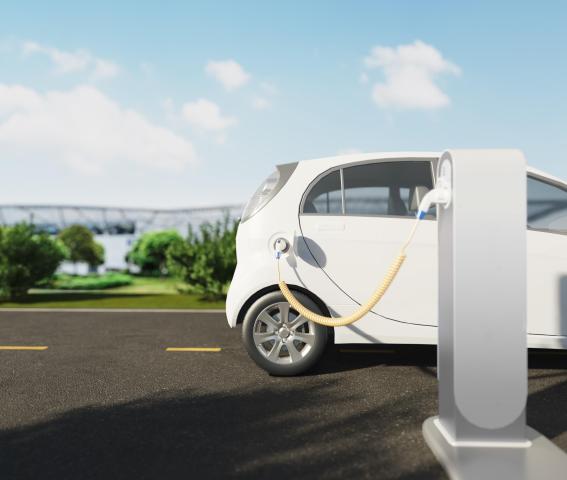
Commonly used at home, AC chargers are slower, typically ranging from 3.7 kW to 22 kW. They convert AC from the grid into DC your battery can use. AC charging is ideal for overnight charging and better for battery longevity. -
DC (Direct Current) Chargers
Known as fast or rapid chargers, DC units bypass your vehicle’s onboard charger and feed DC power directly to the battery—reaching 50 kW to 350 kW or more. While much faster, the charging rate still follows a curve, and the BMS will slow the charge as the battery fills up.
2. Battery Temperature
EV batteries perform best within an optimal temperature range. If it’s too cold, charging slows down; if it’s too hot, the system reduces speed to prevent overheating.
Many modern EVs offer battery preconditioning, where the battery is automatically heated or cooled en route to a charger—especially helpful in extreme weather.
3. Battery Chemistry
Different EVs use different types of batteries:
-
Lithium-ion batteries are the most common and balance capacity, speed, and cost.
-
LiFePO4 (lithium iron phosphate) batteries are safer and longer-lasting but usually charge more slowly.
-
Solid-state batteries, still in development, promise faster, safer charging.
Each chemistry responds differently to fast charging and affects the curve accordingly.
4. Voltage System: 400V vs. 800V
-
400V systems are standard in most EVs today.
-
800V systems, found in newer models like the Porsche Taycan or Hyundai Ioniq 5, support much faster charging.
Higher voltage systems reduce current (and heat), enabling faster charging and a flatter curve—especially helpful for long trips.
What’s the Ideal Charging Percentage?
Experts recommend keeping your battery between 20% and 80% for regular use. This range helps preserve battery health and minimizes long-term degradation.
-
Charging to 100% occasionally is fine—such as before a road trip—but frequent full charges can accelerate wear.
-
Dropping below 20% too often also stresses the battery and should be avoided when possible.
The 80% Rule: Why It Matters
The 80% rule is a widely accepted practice in EV charging. Why? Because once you hit 80% SOC, the charging rate drops sharply.
By stopping at 80%, you:
-
Maximize charging speed
-
Save time at fast chargers
-
Reduce stress and heat on the battery
Need a full battery? Go ahead and charge to 100%, but be mindful it will take much longer from 80% to 100% than from 20% to 80%.
Tips for Optimizing Your EV Charging Experience
Here’s how to make the most of every charge:
1. Charge at Home with AC Power
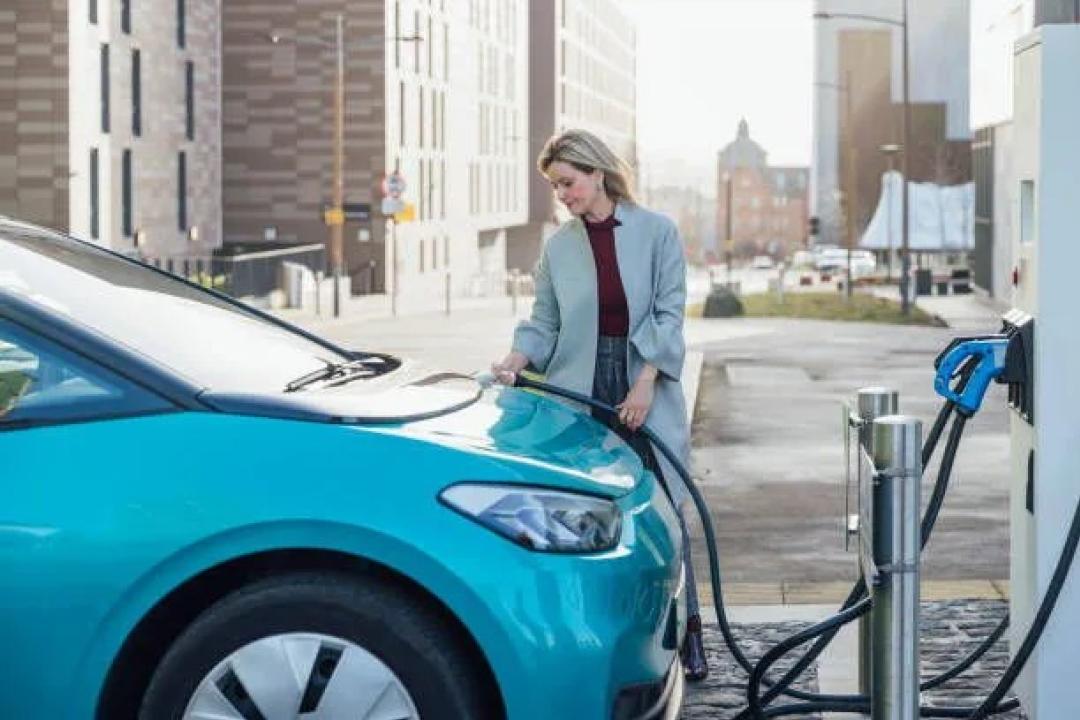
Level 2 AC chargers (7–22 kW) are perfect for overnight charging. They’re slower but gentler on your battery and often cheaper, especially during off-peak electricity hours.
2. Use Off-Peak Hours
Many utility providers offer lower rates late at night or early morning. Charging during these windows can save you money and ease pressure on the grid.
3. Use DC Fast Charging Strategically
Fast chargers are best for quick top-ups—not full charges. Use them when your SOC is below 40% to benefit from the peak charging speed, and ideally stop at 80%.
4. Avoid Fast Charging at High SOC
Using a fast charger when your battery is already above 80% isn’t efficient and can cause unnecessary wear. If you need more range, consider switching to an AC charger for the final stretch.
Final Thoughts
Understanding the EV charging curve empowers you to charge smarter, not harder. By learning how factors like charger type, temperature, battery design, and voltage systems impact charging speed, you can improve convenience, protect your battery, and get more life out of your EV.
Stick to the 20–80% SOC range when possible, use AC charging at home, and reserve fast charging for road trips or when you’re in a hurry. As EV technology continues to evolve, smart charging habits will help you stay ahead—while going green.Know more about Google SEO Directory