
When planning any interior space—be it an office, a home theatre, a studio, or a classroom—sound plays a bigger role than many realize. Echoes, noise pollution, and poor acoustics can impact everything from productivity to peace of mind. That’s where Acoustic Boards For Walls come into play. But as with any interior enhancement, the big question remains: Where should you spend your money, and where can you save without compromising quality?
This guide will help you strike the right balance between cost and performance when choosing Acoustic Board Panels, especially if you're budget-conscious but unwilling to sacrifice good sound design.
Understanding the Basics
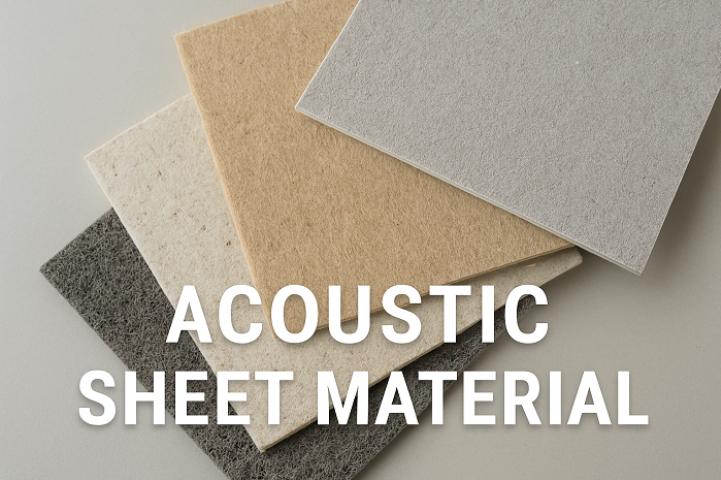
Before diving into where to invest and where to cut back, let’s briefly understand what Acoustic Boards do. Essentially, they are materials used to absorb or diffuse sound waves to reduce noise, control sound reflection, and improve overall sound quality within a space. Acoustic Boards For Walls are specifically designed for vertical surfaces, turning your ordinary walls into sound-controlling surfaces.
The goal? Better clarity of sound, minimized echo, and improved ambiance—whether you're creating a collaborative workspace or a cozy home theatre.
Where to Spend: Key Areas that Deserve Investment
1. Material Quality Matters
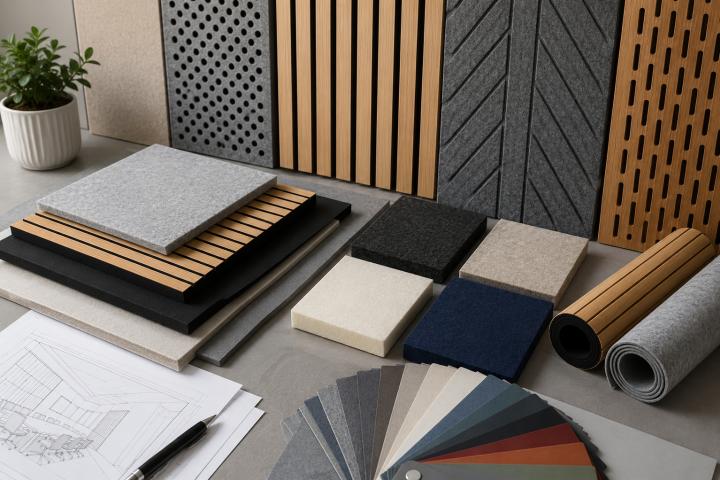
While it’s tempting to go for cheaper options, investing in high-quality materials ensures durability and better sound absorption. Premium Acoustic Board Panels made of dense fiberglass, mineral wool, or high-performance PET fibers can significantly outperform low-grade foam boards.
Why it’s worth it: Higher quality materials absorb a broader frequency range and resist sagging, deformation, and damage over time. In high-traffic areas or large rooms, these benefits are invaluable.
2. Aesthetic Customization
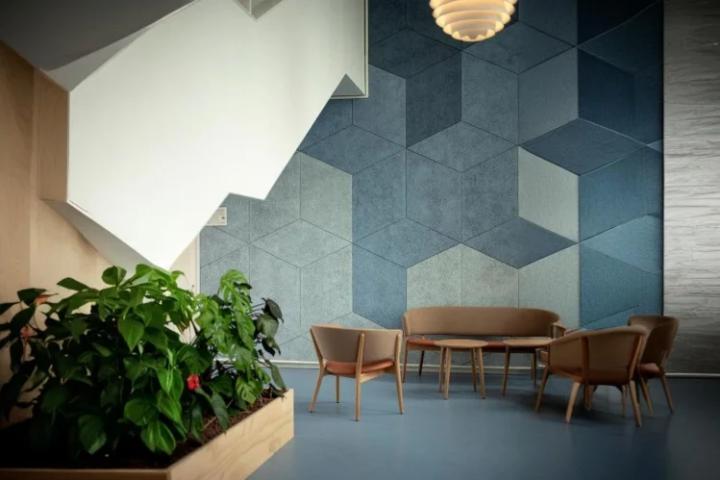
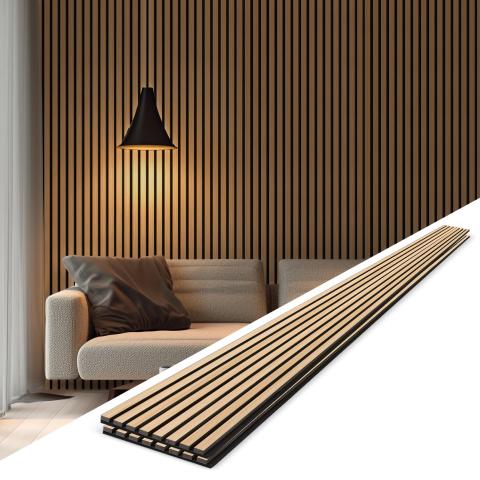
Gone are the days when Acoustic Boards were dull, gray squares mounted on walls. Today, they come in an array of finishes, colors, and even printed graphics. If your space is customer-facing or designed to inspire, it’s smart to invest in panels that not only absorb sound but also contribute to your visual branding or mood setting.
Why it’s worth it: Custom-fabric-wrapped Acoustic Boards For Walls can double up as design features, eliminating the need for additional wall décor.
3. Installation Expertise
The best Acoustic Board Panels won’t perform optimally if they’re poorly installed. Paying for expert installation can make a dramatic difference in how effective the solution is. Specialists understand placement, height, spacing, and the behavior of sound waves, which are critical for performance.
Why it’s worth it: Strategic installation avoids costly rework and ensures the full potential of the acoustic system is achieved from day one.
4. Fire & Safety Compliance
When selecting Acoustic Boards, look for materials that comply with fire safety and building codes. Cheaper materials may not be rated for fire resistance or environmental safety, which could lead to major liabilities.
Why it’s worth it: A few extra bucks here can protect your property and occupants, especially in commercial or educational settings.
Where to Save: Smart Cuts That Don't Hurt Performance
1. Standard Sizes Over Custom Shapes
Custom-cut panels can drive up costs quickly. Unless your room has unusual dimensions or design goals, stick with standard-sized Acoustic Board Panels that are mass-produced. These offer the same performance at a fraction of the price.
How it saves: Manufacturers often charge extra for custom shapes due to added labor and design adjustments.
2. DIY Framing and Mounting
If you're working with a smaller area or a DIY project, you can save money by purchasing raw Acoustic Boards and framing or mounting them yourself. Many suppliers offer core materials without fabric wrapping, which can be customized later.
How it saves: You gain the same core acoustic functionality without paying for premium design labor.
3. Focus on Critical Zones
You don’t need to cover every inch of your wall. By identifying primary reflection points—areas where sound bounces the most—you can install Acoustic Boards For Walls strategically. Focus on these hotspots rather than a full-room treatment.
How it saves: Less material and labor means a leaner budget, with negligible compromise in sound quality.
4. Choose Modular Systems
Modular Acoustic Board Panels are designed for scalability. They can be added in stages as budget allows, without tearing down what’s already installed. This is especially useful in growing businesses or evolving spaces.
How it saves: You avoid the financial strain of one large expense by spreading costs over time.
Bonus Tips to Maximize Value
Blend with Furniture: Some Acoustic Boards can double as pin boards or decorative panels, giving you multifunctional value.
Go Green: Look for eco-friendly options made of recycled PET. They tend to be affordable, lightweight, and easy to install.
Test Before You Invest: In critical spaces like recording studios, try temporary placement of panels to evaluate performance before committing.
Final Thoughts
Investing in Acoustic Boards For Walls is not just about aesthetics or ticking off a checklist—it's about creating a space that supports its intended function, whether that's better concentration in an office or clear sound in a home studio.
By understanding where to spend—like in high-quality materials, expert installation, and design—and where to save—like choosing standard sizes or modular systems—you can get the best acoustic performance without overshooting your budget.
Whether you’re an architect, interior designer, or an end user, balancing cost and performance for your Acoustic Board Panels will help you design smarter, not just louder.