
We’ve all been in that one room — maybe it’s a home office, a café, or even a meeting room — where the sound just doesn’t sit right. Echoes bounce off the walls, voices sound distorted, and the overall experience is more chaotic than comfortable. Whether you're a content creator, a startup working out of a modest office, or someone simply trying to create a peaceful reading nook at home, managing sound doesn’t have to be a luxury. In fact, acoustic treatment has become more affordable and accessible than ever before.
If you’ve been holding back because of budget constraints, we’ve got good news: there are smart, stylish, and effective solutions for acoustic treatment that won’t burn a hole in your pocket. Let’s dive into some wallet-friendly ways to enhance your acoustic environment without compromising on quality.
Why Does Acoustic Treatment Matter?
Before we jump into the budget hacks, let’s talk about why acoustic treatment is so essential.
Noise pollution isn't just a nuisance; it can affect concentration, productivity, and even your health. Reverberations in an untreated room can make audio calls unbearable, music lose its clarity, and movies feel hollow. The right acoustic materials help absorb, diffuse, or block unwanted sound to create a more comfortable, functional space — be it for working, relaxing, or entertaining.
1. Start with the Basics: Acoustic Panels
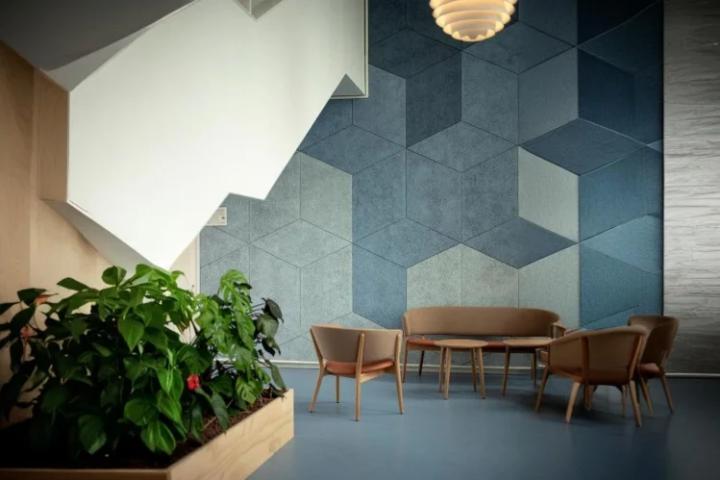
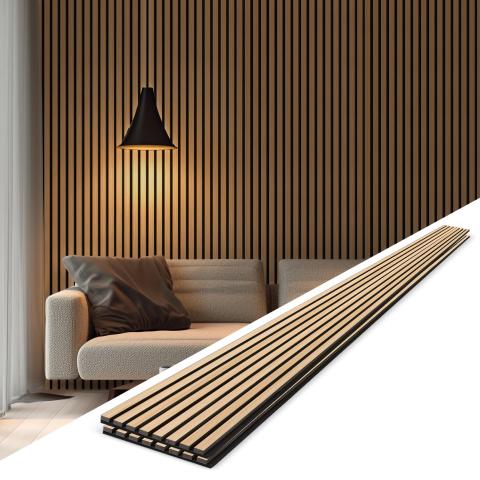
When it comes to affordable sound control, Acoustic Panels are a great place to begin. These rectangular or square boards are made with acoustic materials that absorb mid to high-frequency sounds, making them perfect for rooms that suffer from echo and flutter.
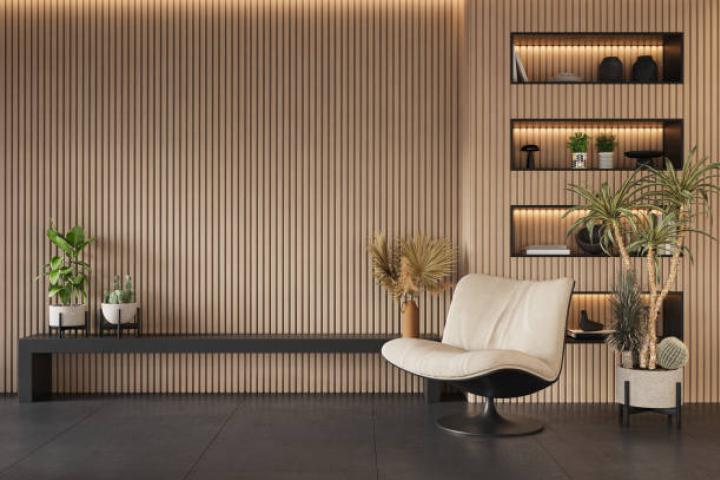
Acoustic Panels are easy to install and come in various finishes and colors that can enhance your space aesthetically while serving a functional purpose. Whether it’s your living room wall or a home studio corner, strategically placing acoustic panels can drastically improve sound quality.
Pro Tip: For budget-conscious users, DIY acoustic panels using rockwool, fabric, and wood frames can bring great results at a fraction of the cost.
2. Go Modular with Acoustic Boards
If you're seeking a more flexible solution, Acoustic Boards are worth exploring. These are thicker and often larger than typical acoustic panels, designed for broader surface coverage and better low-frequency absorption.
One of the benefits of acoustic boards is their versatility. You can use them as wall partitions, ceiling installations, or even as decorative panels. Today’s market offers boards made of PET fibers, recycled content, and eco-friendly resins — all without costing a fortune.
Some acoustic boards even double up as pin-up boards, making them ideal for classrooms, workspaces, and creative studios where functionality meets design.
3. Don’t Overlook Acoustic Sheets
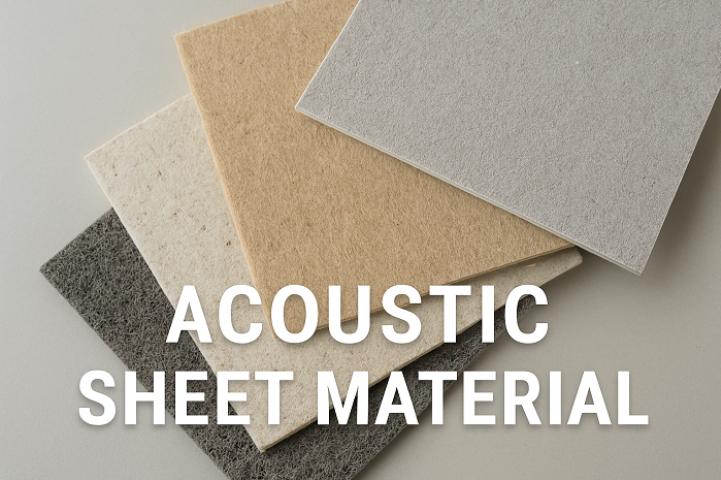
Not every space allows for permanent installations — maybe you’re renting or working in a pop-up setup. Enter Acoustic Sheets. These lightweight, flexible acoustic materials can be rolled out, hung, or draped over walls, ceilings, and even furniture to deaden sound.
Perfect for temporary setups or multipurpose rooms, acoustic sheets are incredibly budget-friendly. They’re widely used in industrial applications but are now finding their way into homes, podcasts studios, and garages due to their affordability and effectiveness.
Acoustic sheets are particularly good at absorbing low-frequency noise, which many panels and boards struggle with. For example, if you live near a busy street or have a noisy neighbor, a layer of acoustic sheets behind your curtains or under a rug can work wonders.
4. Mix and Match Acoustic Materials for Custom Results
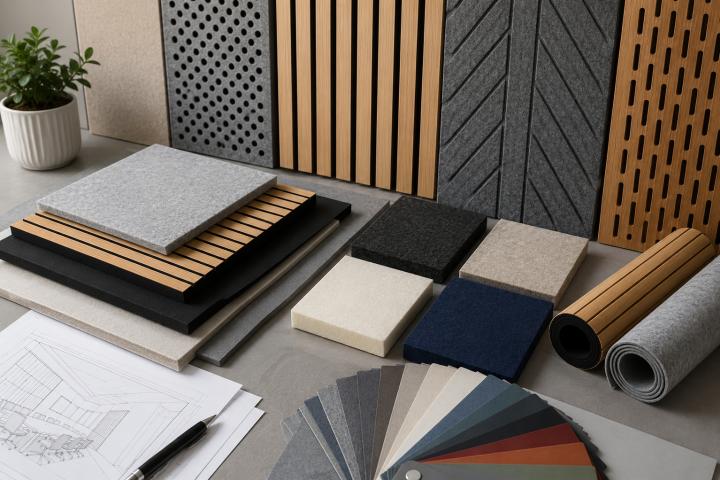
One of the biggest myths about acoustic treatment is that you need to go all-in with expensive, brand-specific products. In reality, combining different acoustic materials — like foam, PET fiber, mineral wool, and fabric — can give you a balanced result without overspending.
For instance, foam acoustic panels can handle mid-high frequencies, while dense acoustic boards or acoustic sheets can tackle low-end rumble. Pairing these materials smartly allows you to target different acoustic issues with precision — and all within your budget.
5. Creative and Budget-Friendly Ideas for Acoustic Treatment
Acoustic improvements don’t always require new purchases. Here are some innovative ways to improve your room acoustics affordably:
Repurpose Old Items: Heavy drapes, thick rugs, bookshelves, and upholstered furniture all serve as natural sound absorbers. They might not be labeled as acoustic materials, but they get the job done.
Wall Art as Acoustic Paneling: You can turn printed fabric artworks into acoustic panels by placing insulation material behind the canvas.
Layer Rugs: A thick carpet topped with a decorative rug can function similarly to acoustic sheets, reducing floor reflections effectively.
Upcycled DIY Boards: Use old MDF boards, recycled denim, or cork boards layered with foam to create your own hybrid acoustic boards.
6. Where to Use Budget Acoustic Treatments
Low-cost acoustic treatment options work great in a variety of settings:
Home Offices: Improve audio clarity during video calls by adding acoustic panels behind your screen and on the side walls.
Studios: Use a mix of acoustic boards and acoustic sheets to treat corners and ceilings, especially if you're recording music or podcasts.
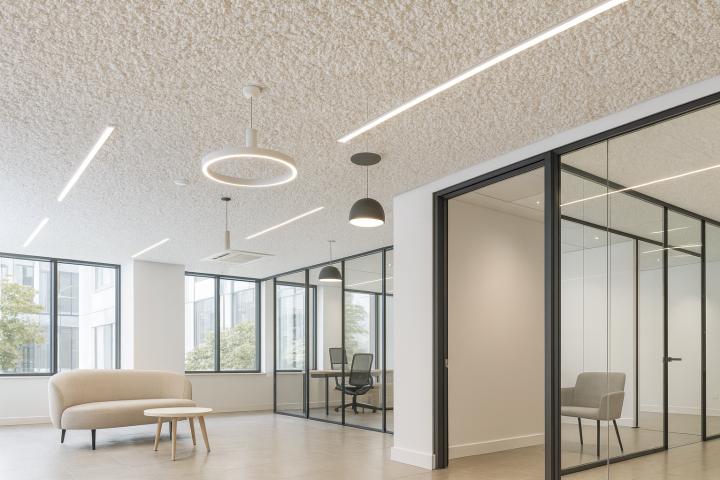
Restaurants/Cafes: Installing budget-friendly acoustic panels on ceilings can help reduce ambient noise and enhance customer experience.
Classrooms & Libraries: Affordable acoustic boards can reduce noise distractions and improve focus without changing the building layout.
Living Rooms/Home Theaters: Combine acoustic sheets behind curtains and panels on reflective surfaces to enhance your cinematic sound experience.
Final Thoughts
Creating a sound-friendly space doesn’t require expensive, top-of-the-line installations. With some creativity, a mix of materials, and an understanding of your space's acoustic challenges, you can implement highly effective acoustic treatment solutions without overspending.
Whether you're installing sleek acoustic panels on your walls, repurposing curtains with acoustic sheets, or experimenting with modular acoustic boards, there’s an affordable option out there for everyone. Remember — it’s not just about cutting down noise, it’s about building better experiences, conversations, and moments in the spaces you occupy.