
Imagine walking into a beautifully furnished home—plush furniture, warm lighting, stylish interiors—but when someone speaks, it sounds like you're in a deep, echoing cave. Something feels off. That’s because even the most visually stunning interiors can be ruined by poor sound quality. Your space doesn’t just need to look good—it should sound right too.
In today’s era of open-floor layouts, high ceilings, and hard surfaces, managing acoustics in our lived-in spaces has become crucial. This is where Acoustic Panels come in as unsung heroes of interior comfort.
When Design Echoes… Literally
The charm of minimalist designs often brings with it a silent problem—noise. Hard surfaces like exposed concrete walls, wooden flooring, glass partitions, and metal décor reflect sound, leading to excessive reverberation. The result? You may hear conversations bouncing around, your TV sounding tinny, or every step echoing across the room.
It’s not just annoying—it’s stressful. Numerous studies link high ambient noise levels to poor concentration, fatigue, and even anxiety. So, whether you're designing a home office, living room, or an entertainment zone, the auditory experience is just as important as the visual.
And that's where Acoustic Panels change the game.
Beauty of Silence: Aesthetic Meets Acoustic
There’s a common misconception that Acoustic Panels are industrial, boring, or only suitable for recording studios and commercial spaces. That’s a myth begging to be debunked.
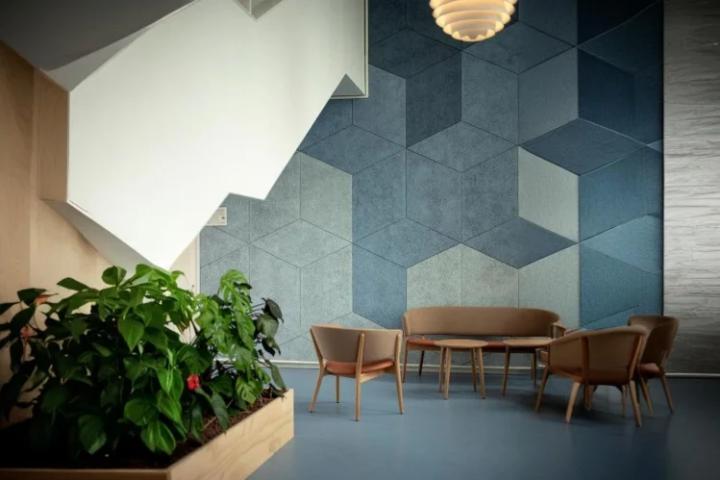
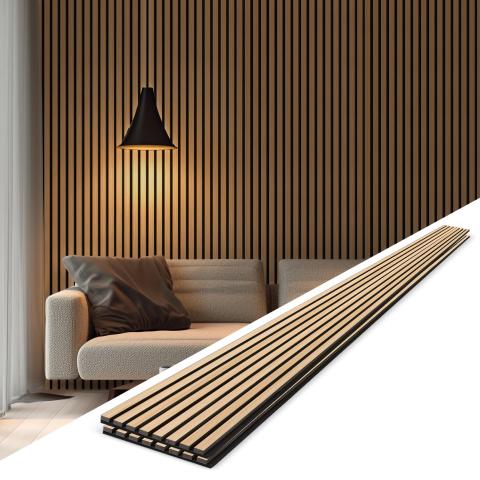
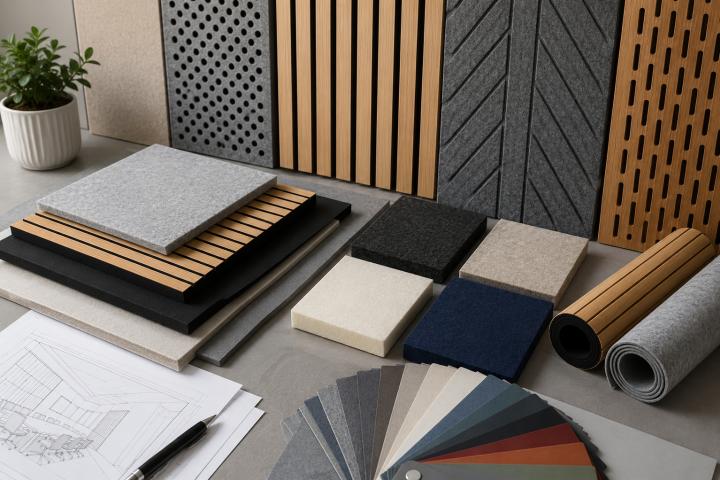
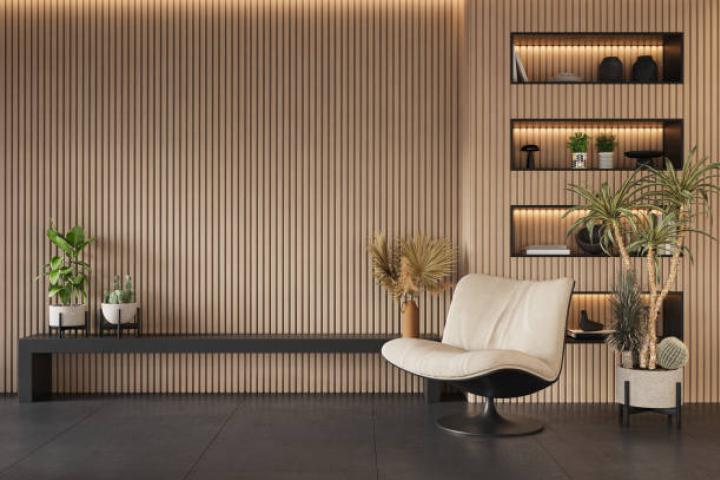
Today’s Acoustic Panels are designed to blend seamlessly into your interiors. Available in a variety of colors, patterns, textures, and even custom prints, these panels double up as aesthetic wall art. You don’t need to compromise your décor vision for silence. In fact, you can enhance it.
Choose soft geometric designs for a Scandinavian vibe or earthy PET panels for eco-chic aesthetics. With innovations in materials and manufacturing, acoustic design is now an integral part of interior design.
From Echo Chambers to Cozy Corners
Think about the different spaces within your home: the living room where family gathers, the bedroom where peace should reign, the kitchen bustling with sounds. Each space has unique acoustic needs. And each can benefit from carefully chosen Acoustic Panels.
Living Rooms: Adding Acoustic Panels behind your TV or on the ceiling helps reduce sound reflections from hard surfaces, improving clarity and lowering noise.
Home Offices: As work-from-home continues to be a norm, sound privacy is critical. Panels behind your desk or on adjacent walls absorb ambient noise, aiding focus and professional calls.
Bedrooms: For truly restful sleep, panels above the headboard or on the ceiling soften external disturbances, creating a cocoon of calm.
Dining Areas: Often overlooked, dining rooms with open layouts suffer from clattering sounds. Strategic Acoustic Panels here make meals more enjoyable without the jarring echo.
Sound Science Simplified: How Acoustic Panels Work
To understand why Acoustic Panels matter, a quick primer on how sound behaves indoors can help.
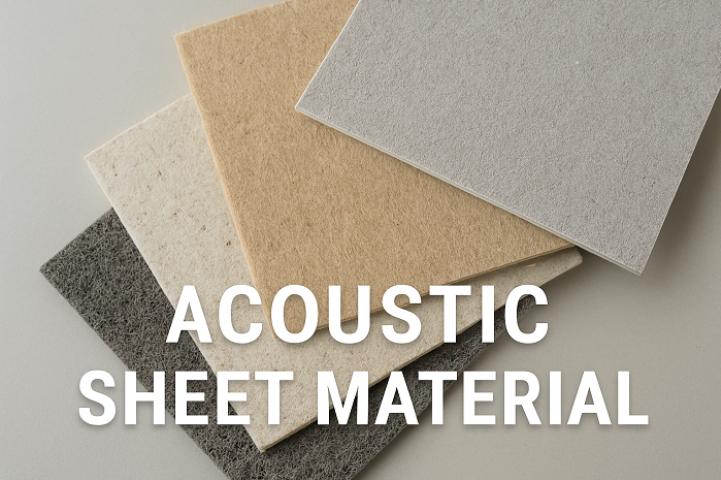
When sound waves hit hard surfaces, they bounce back—this is what causes echo. Too many reflections result in reverberation. Acoustic Panels, made from sound-absorbing materials like PET felt, fiberglass, or foam, trap these sound waves. Instead of bouncing off, sound gets absorbed, reducing echo and improving clarity.
The effectiveness of Acoustic Panels depends on:
Thickness of the panel
Placement on the walls or ceiling
Surface area covered
Panels don’t need to blanket every wall—strategic placements often do the job beautifully.
Cave Syndrome: Why Ignoring Acoustics Backfires
A room that looks amazing but sounds terrible fails to offer complete comfort. This "cave syndrome" is more common than you think—especially in premium interiors that skip acoustic planning.
You’ll recognize it if you’ve ever:
Heard your own voice echo in a large room
Found it hard to understand people talking just a few feet away
Felt irritated by sharp, bouncing noises in a seemingly calm environment
By installing Acoustic Panels, you shift from a cave-like echo chamber to a space that invites comfort, calm, and connection.
Sustainable Silence: Green Options for Eco-Living
Modern Acoustic Panels are also stepping up in terms of sustainability. Many panels are now made from recycled PET bottles or renewable wood fibers. This makes them not only effective but also eco-friendly.
Choosing sustainable Acoustic Panels contributes to green building certifications and shows a commitment to both wellness and the environment. So, your quiet space can also be a responsible one.
Acoustic Panels: Not Just for Walls
Another myth? That Acoustic Panels are only wall installations. In reality, they come in a variety of formats:
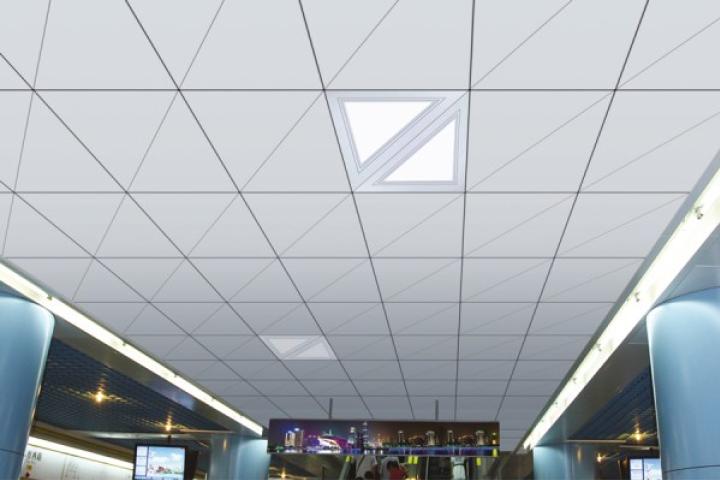
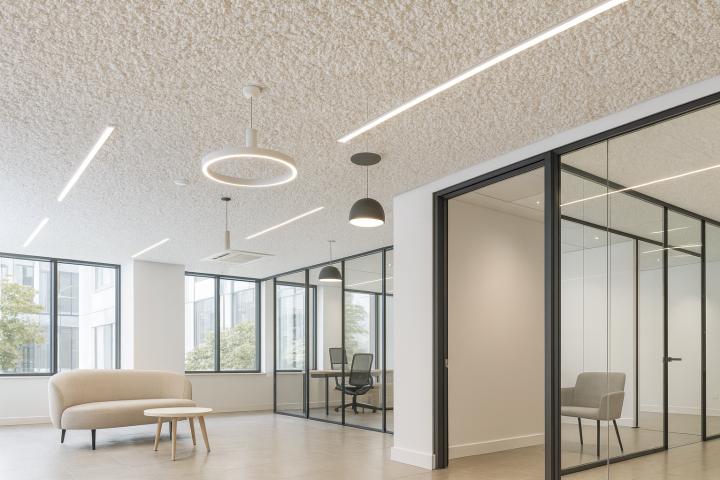
Ceiling Baffles and Clouds: Hung from the ceiling, these offer stylish ways to reduce echo in larger spaces.
Free-Standing Screens: Ideal for flexible zones or temporary setups.
Furniture-Integrated Panels: Desks and cabinetry with acoustic linings are gaining popularity in hybrid workspaces.
Whether you’re renting or owning, there’s a solution that fits your space and life>
Silence is the New Luxury
In the age of hyper-connectivity, the ability to retreat to a calm and quiet home is a luxury. And just as we invest in ergonomic furniture, energy-efficient lighting, or quality mattresses, it’s time we gave the same attention to sound quality.
Acoustic Panels are not just functional add-ons—they’re an investment in your wellbeing, your conversations, your sleep, and even your productivity.
Wrapping the Echo: A Final Thought
Your home should not sound like a cave—it should sound like home. Whether you’re watching a movie, hosting friends, meditating, or just enjoying a moment of quiet, sound quality shapes your experience.