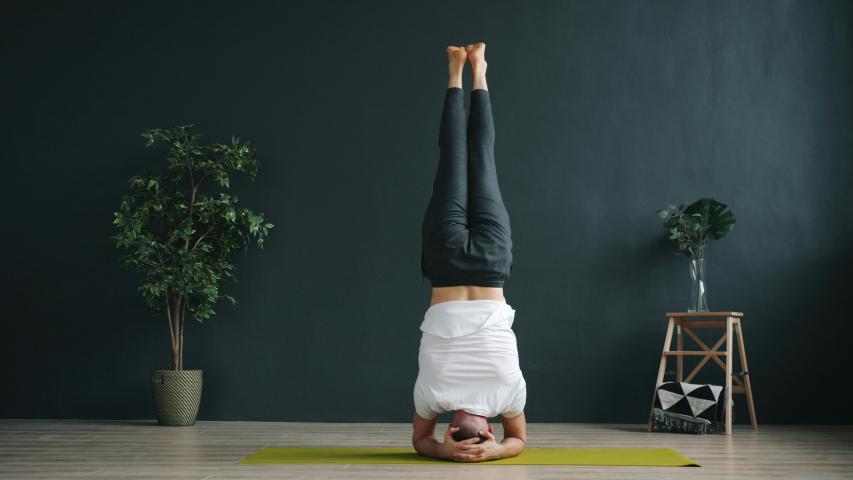
If you're ready to take your yoga journey to the next level, Sarvangasana—commonly called Shoulder Stand—might just become your favorite pose. Known as the “Queen of Asanas,” this powerful inversion engages almost every part of your body while deeply calming your mind. Whether you’re deepening your personal practice or in the midst of a 200-hour yoga teacher training in Rishikesh, India, this pose has timeless wisdom to offer.
What Is Sarvangasana?
The name Sarvangasana comes from Sanskrit: “sarva” meaning all, “anga” meaning limbs, and “asana” meaning pose. So, quite literally, this is a posture for the entire body—and it lives up to its name.
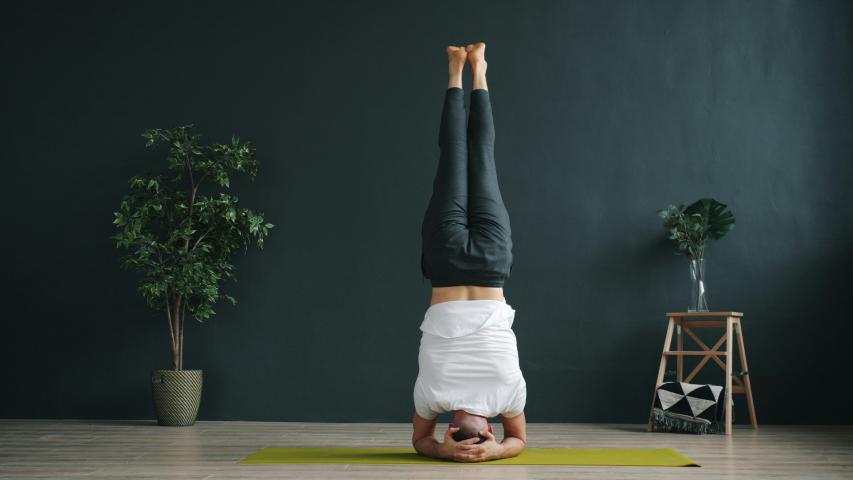
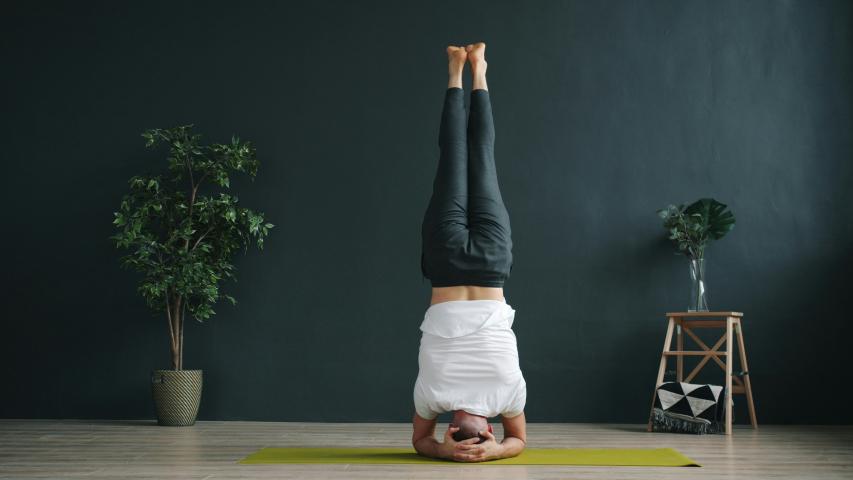
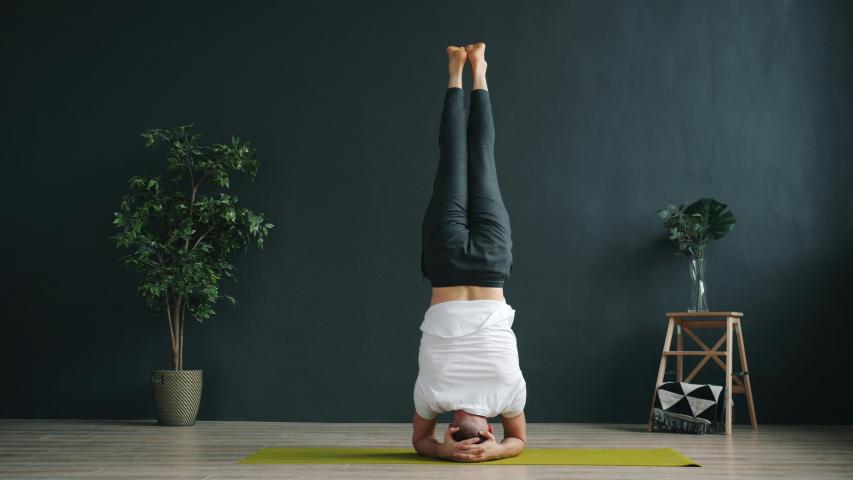
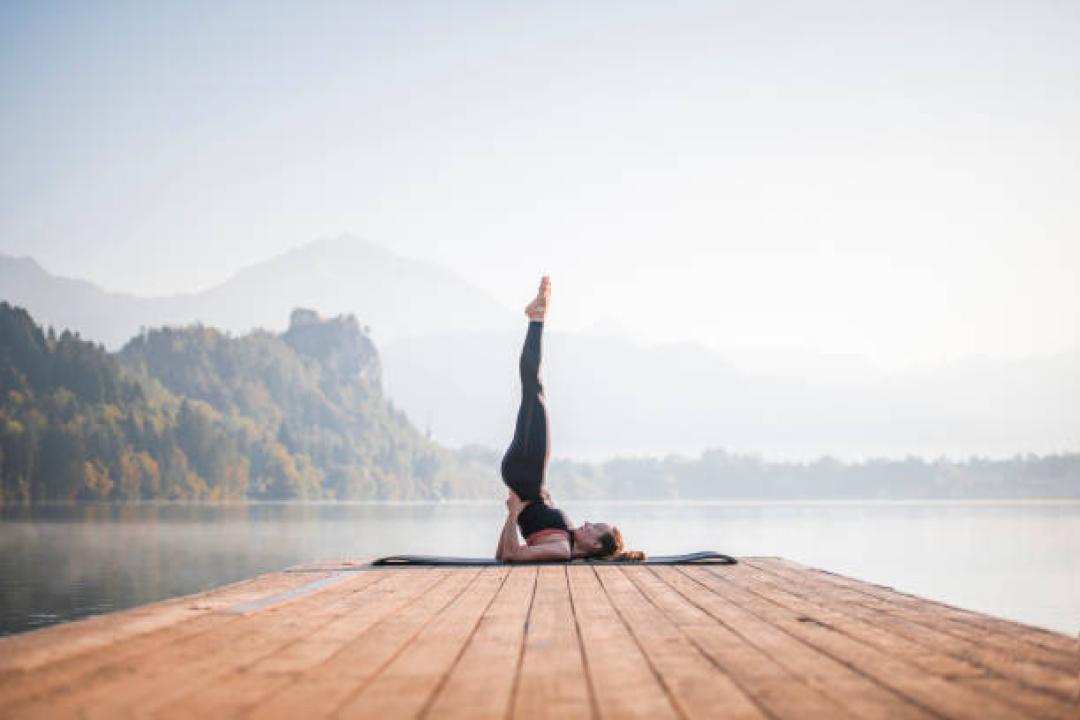
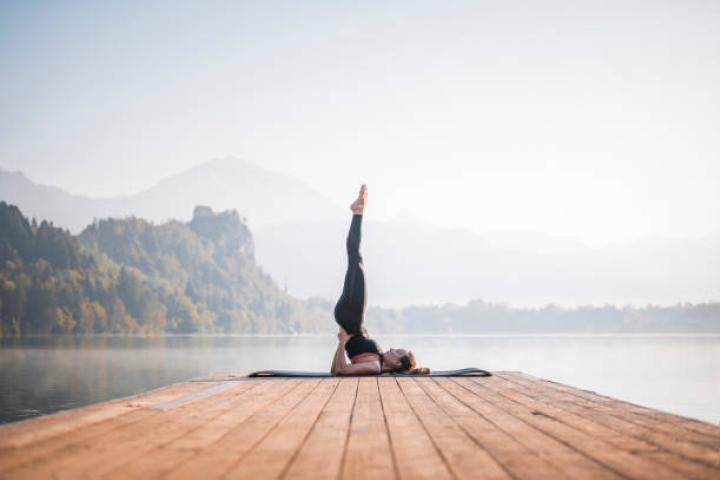
You lie on your back, lift your legs, support your back with your hands, and point your toes toward the ceiling. It’s an inversion that reverses the pull of gravity and boosts circulation, focus, and strength.
Top Benefits of Shoulder Stand
-
✅ Boosts Circulation: Helps blood flow to the brain, heart, and thyroid.
-
✅ Supports Thyroid & Metabolism: Stimulates the thyroid gland, which governs hormonal balance.
-
✅ Strengthens Muscles: Engages core, legs, arms, and shoulders.
-
✅ Calms the Nervous System: Activates the parasympathetic (rest-and-digest) system.
-
✅ Improves Digestion: Stimulates abdominal organs and eases constipation.
-
✅ Eases Stress & Anxiety: Encourages inward focus and steady breathing.
Modern studies have even linked poses like Sarvangasana with reduced TSH levels and improved T4 in hypothyroid patients, along with better mood and lipid profiles.
How to Practice Sarvangasana (Step-by-Step)
-
Start lying on your back, arms by your sides.
-
Lift both legs to 90°, then support your lower back with your hands.
-
Raise your hips, bringing your torso vertical and your feet toward the ceiling.
-
Keep elbows grounded, and adjust until your body forms a straight line from shoulders to toes.
-
Hold for 30–60 seconds, breathing slowly.
-
Release gently, lowering your spine down one vertebra at a time.
📌 Tip: Place a folded blanket under your shoulders to protect your neck.
Teaching Sarvangasana in Yoga Teacher Training
If you're training in Rishikesh, you’ll learn how to break this pose down, cue it safely, and offer modifications. Shoulder Stand is often included in Hatha and traditional sequences for its energetic, therapeutic, and strengthening properties.
👉 Teaching tips:
-
Encourage core activation and proper neck alignment.
-
Offer modifications like half shoulder stand or wall support.
-
Always prioritize safety over duration.
Precautions and Contraindications
Sarvangasana is powerful—but not for everyone. Avoid or modify if you:
-
Have neck or shoulder injuries
-
Are pregnant
-
Suffer from high blood pressure or glaucoma
-
Experience acid reflux or hernia
-
Are menstruating (based on tradition and comfort)
Always practice under a qualified teacher if you're new to the pose.
Conclusion: A Pose That Transforms Inside and Out
Sarvangasana isn’t just a physical posture—it’s a deeply rejuvenating experience. Whether you’re seeking better thyroid health, emotional balance, or just want to feel more energized, this pose offers a royal reward when done with awareness.
🌿 Want the full breakdown, scientific studies, and teaching tips for Sarvangasana?
📖 Read the complete blog here:
👉 Sarvangasana (Shoulder Stand): Benefits, Steps, and Precautions