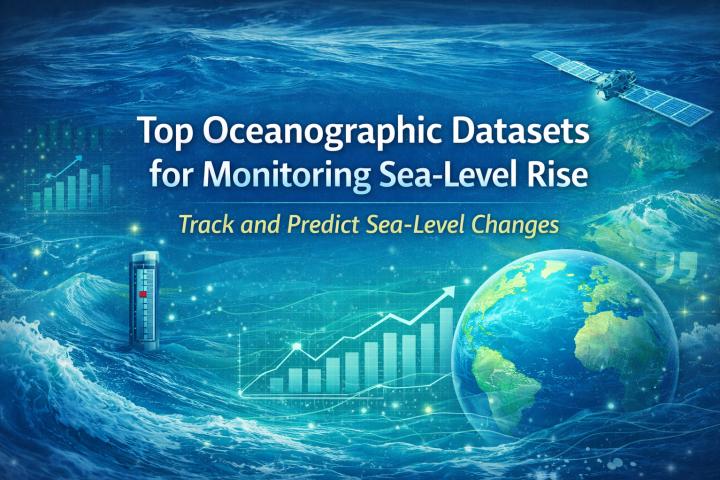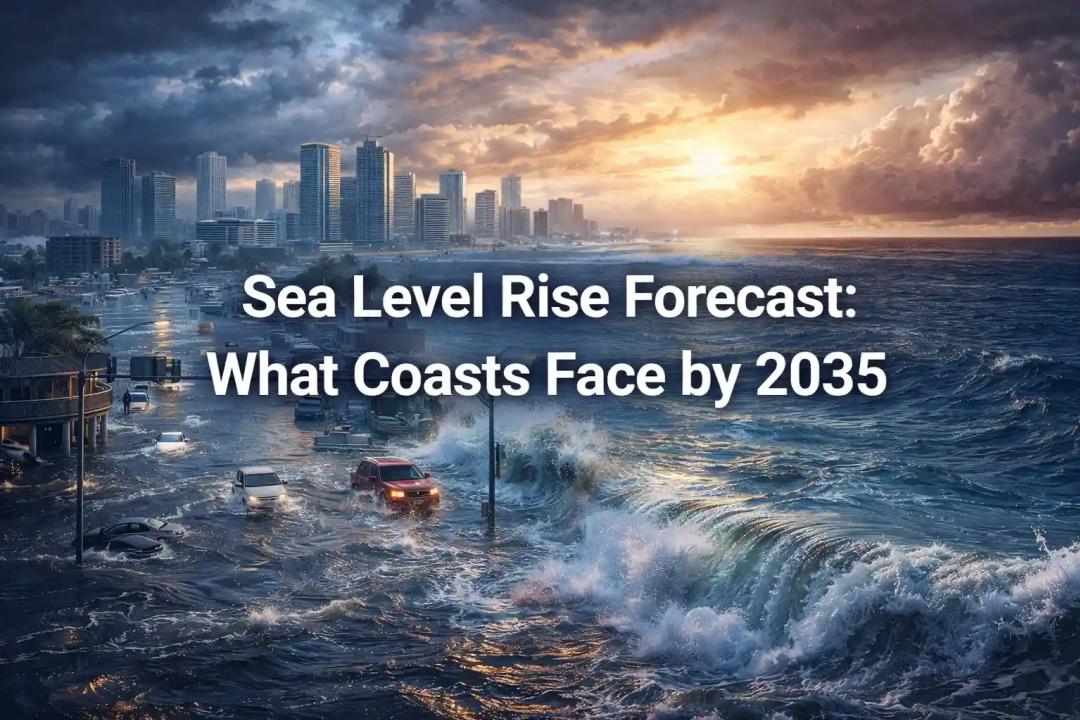
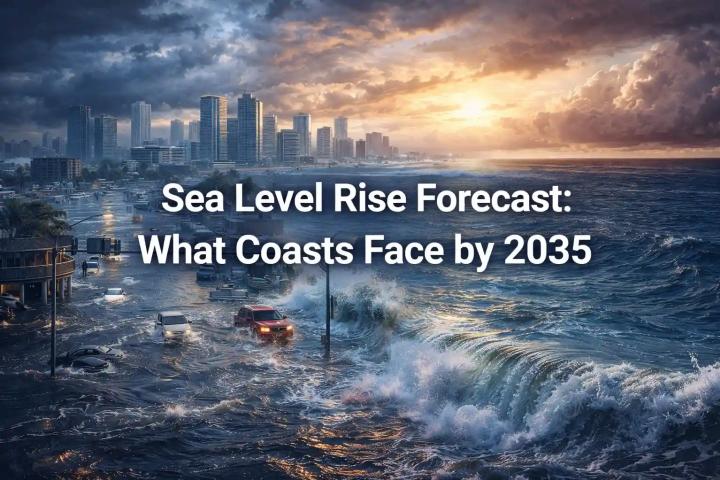
Sea-level rise is one of the most pressing consequences of climate change, with major implications for coastal communities and ecosystems. By 2035, many coastlines around the world are expected to face significant changes, affecting millions of people and wildlife. Understanding what’s at stake and preparing for the future is crucial.
Why Sea-Level Rise Matters
Sea-level rise is driven by two main factors: the melting of ice sheets and glaciers and the thermal expansion of seawater as it warms. As sea levels rise, coastal cities are increasingly vulnerable to flooding, erosion, and storm surges. This phenomenon not only threatens infrastructure but also disrupts ecosystems and biodiversity.
What to Expect by 2035
1. Low-Lying Areas at Risk: Coastal cities such as Miami, New York, and Jakarta are expected to see increased flooding, especially during high tides and storm events.
2. Shifting Ecosystems: Rising sea levels can lead to the loss of coastal habitats, including wetlands and mangroves, which serve as critical buffers for wildlife and human populations.
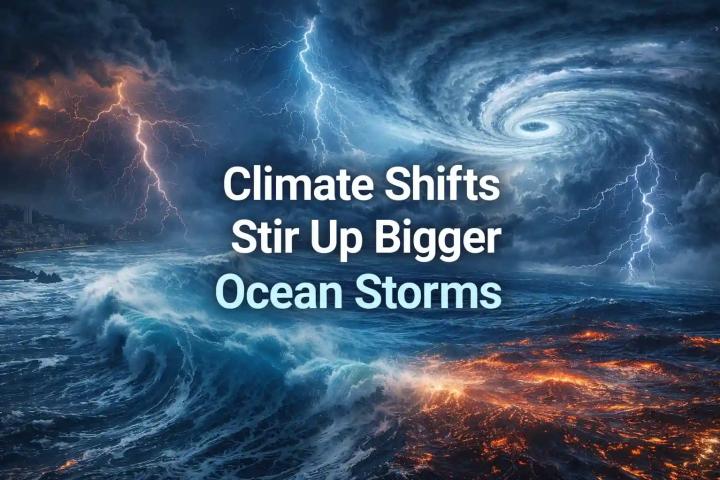
3. Increased Storm Intensity: As sea levels rise, storm surges can cause greater damage to coastal areas, making cities more susceptible to extreme weather events.
4. Displacement of Populations: Communities in low-lying areas may face displacement as homes and infrastructure become uninhabitable.
Why This Matters for the Future
Sea-level rise is not just a future concern; it’s already happening. By 2035, we can expect more coastal cities to face severe challenges, from daily flooding to long-term land loss. Preparing for these impacts requires global cooperation and innovative solutions to protect vulnerable regions.
Stay informed about the future of coastal areas and climate change 👉 https://www.oceanography.com