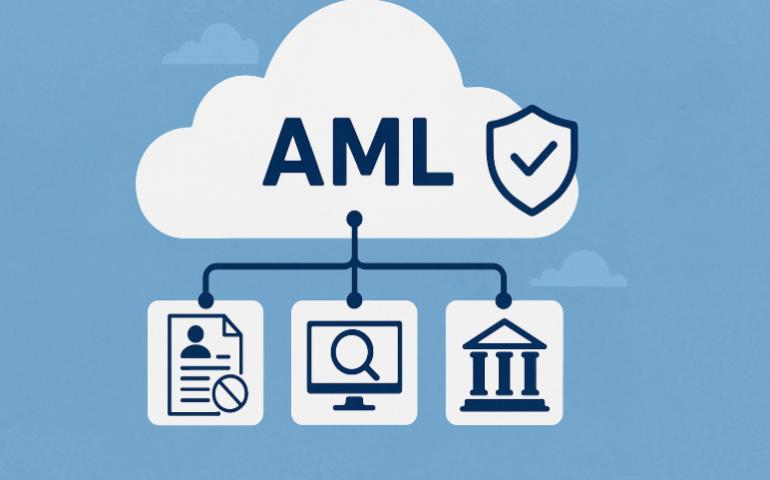
Anti-Money Laundering software, also known as AML software, is the backbone of contemporary compliance programs in the financial industry and in regulated business. The need to find the perfect AML software that is automated and AI-driven has skyrocketed as global financial crime is on the increase. In the year 2025, efficient AML solutions will not be an option anymore, but a necessity to survive regulations and maintain operational integrity.
The Knowledge of the AML Software in Financial Compliance
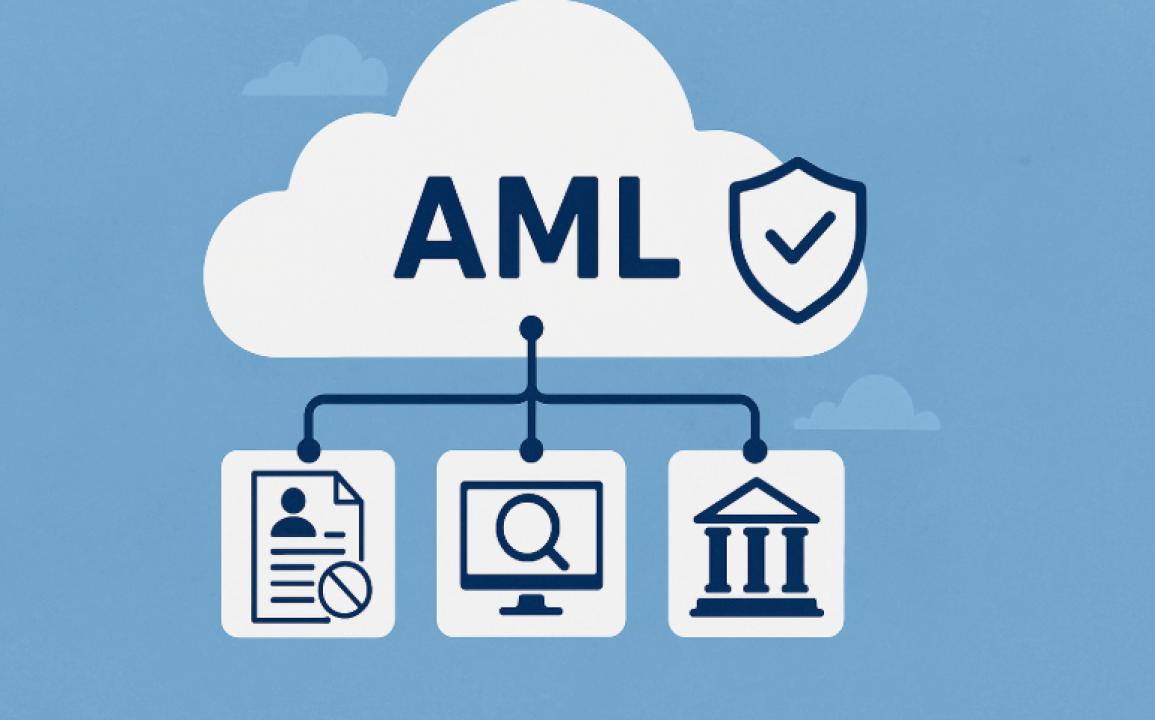
The AML software can be defined as digital tools used to identify, prevent and report money laundering and other financial crimes. Banks, fintech, real estate, crypto and others use these tools. AML software has core capabilities such as transaction monitoring, sanctions screening, customer due diligence (CDD), suspicious activity reporting (SAR) and audit trails.
Manual operations cannot be used in the contemporary high-paced financial world. The regulators will expect businesses to use technology to effectively meet the requirements of anti-money laundering. Scalable AML solutions come in at that point.
Important Tasks of the Modern AML Compliance Software
The new-generation AML software has many functions that enable end-to-end compliance. It automatically identifies suspicious transactions, based on real time analysis of customer behavior, and minimizes false positives using machine learning. It filters clients and entities against the world watchlists including OFAC, UN and EU sanctions lists. It guarantees risk-based onboarding, ongoing KYC monitoring, and reporting to the regulatory authorities.
The best AML solutions are provided with risk scoring engines, configurable sets of rules, real-time notifications, and automated processes that allow teams to keep up with complex regulations. By 2025, most of these systems are cloud-based, AI-driven, and provide quicker insights and lower costs of compliance.
The importance of AML Software in 2025
Financial crimes are becoming advanced. Digital wallets, shell companies, cross-border networks and decentralized platforms are used by criminals to store illicit funds. It would be next to impossible to detect such activities without the AML software.
International regulators such as the Financial Action Task Force (FATF), FinCEN in the United States and the European Banking Authority have considerably increased the level of AML regulations. Failure to comply may result in millions of dollars in fines, lost reputation and even criminal prosecution.
AML software ensures that an organization is in constant compliance, can change with the regulations and demonstrate their efforts with their audit trails. With real-time financial surveillance being the new standard, inefficient AML procedures are not an option.
AML Software Trends: Legacy to AI-based Platforms
Previously, AML systems were reactive and based on rules. They were relying on manual reviews, strict thresholds and post-fact alerts. These systems gave high false-positive rates which overwhelmed compliance teams and raised operation costs.
Today, the movement has changed in the direction of AI-based AML software. These advanced systems offer predictive analytics, behavioral pattern recognition and natural language processing to identify intricate money laundering operations with a higher degree of accuracy.
Scalability, fast deployment, and remote accessibility are the features of cloud-native AML tools, which are highly suitable to hybrid teams and expanding businesses.
Integration is another trend that is increasing. AML software has become integrated with customer onboarding platforms, transaction processors, core banking systems, and blockchain analytics platforms. Such an overall perspective can make the process more efficient and better at detecting fraud.
Cryptocurrency and Fintech AML Software
AML compliance has been challenged by the emergence of cryptocurrency and fintech platforms. To avoid the checks, many criminals currently use decentralized finance (DeFi), non-fungible tokens (NFTs) and peer-to-peer transactions in cryptocurrencies.
Regulators have also reacted to this by enforcing travel regulations, tighter KYC standards and block chain surveillance. To keep up with the times, AML software has added the ability to monitor crypto transactions and scan wallets. Major vendors are currently providing crypto exchange-specific, virtual asset service provider (VASP) specific and digital banking application solutions.
By 2025, the absence of a well-developed AML compliance program in any fintech will be subject to regulatory attention. The AML software offers the requisite platform to monitor, review and report suspicious online operations.
Selecting the Best AML Software Vendor
The choice of AML software is a strategic choice. The solutions should be considered according to real-time functions, AI applications, tailoring, user-friendliness, and compliance. Scalability, customer support and vendor reputation are also important to long-term success.
The list of popular AML software providers of 2025 involves such names as Actimize, ComplyAdvantage, Sanction Scanner, and so on. They each provide varying degrees of automation, API capabilities and industry specific functionality. There are those that are designed to serve big banks; others targeted to serve SMEs, crypto companies or remittance providers.
It is also necessary to be sure that the software will help to comply with local and international requirements - the Bank Secrecy Act (BSA), EU AMLD6 directive, or FATF requirements.
How AML Software can be used in Risk Management
The use of AML software is not only a requirement by the regulators, but it is also an effective risk management tool. Early detection of red flags can avoid fraud, safeguard investor money and preserve business integrity. Be it structuring, smurfing or layering, the software helps in intensifying vigilance in all the channels of financial flows.
Better customer trust, accelerated onboarding, and reduced regulatory interventions are common in organizations with well developed AML systems in place. This puts them at a competitive advantage in an ever-intensified market.
In Conclusion: The Future Will Be Safer with Investments in AML Software
AML software ceased to be a compliance supplement, and now it is the core of ethical financial activity. The demand to have smart, dynamic, and trustworthy AML technology will become even more prominent as financial systems continue to be more digital and criminals increasingly become tech-savvy.
By 2025, companies investing in the latest AML software can not only fulfill the requirements of the regulators but also become resistant to financial crimes, improve operational efficiency, and earn the long-term trust of stakeholders. Regardless of whether you are a bank, a fintech startup, or real estate agency, selecting the proper AML software to use is one of the most strategic decisions to make.