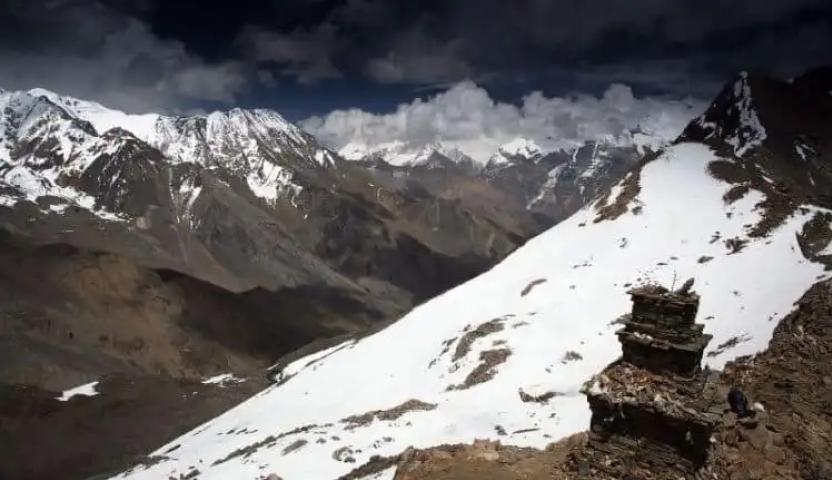
Introduction
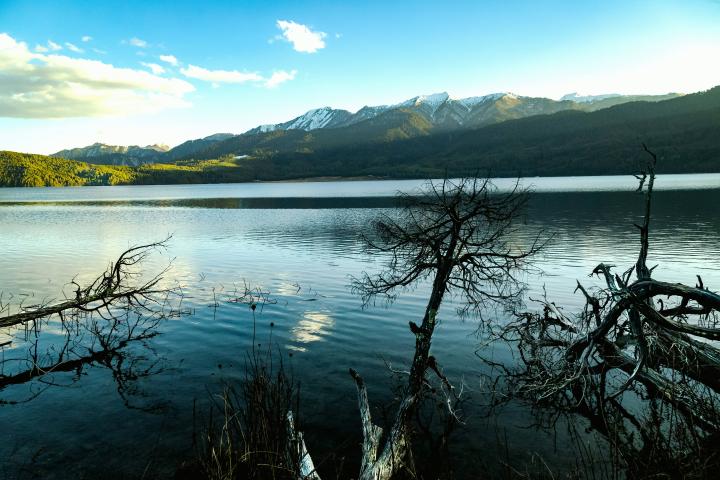
The Nar Phu Valley Trek is one of Nepal’s lesser-known but incredibly rewarding trekking experiences. Tucked away in the rain-shadow area of the Annapurna region, this trek takes you deep into the isolated valleys of Nar and Phu—two ancient Tibetan->
For those who want something more adventurous than the popular Annapurna trails, Nar Phu offers dramatic landscapes, authentic culture, and a quiet, untouched atmosphere.
Where It Is
Nar and Phu are located north of the Annapurna range, near the Tibetan border. The trail branches off from the Annapurna Circuit at Koto (near Chame) and heads northeast, away from the crowds and into a remote world of deep gorges, narrow canyons, high cliffs, and windswept plateaus.
What You’ll See
This trek brings a mix of wild scenery and cultural richness. As you move through the trail, you’ll see:
-
Stone-built villages that have remained unchanged for centuries
-
Buddhist monasteries like Tashi Lhakhang and Nar Phedi
-
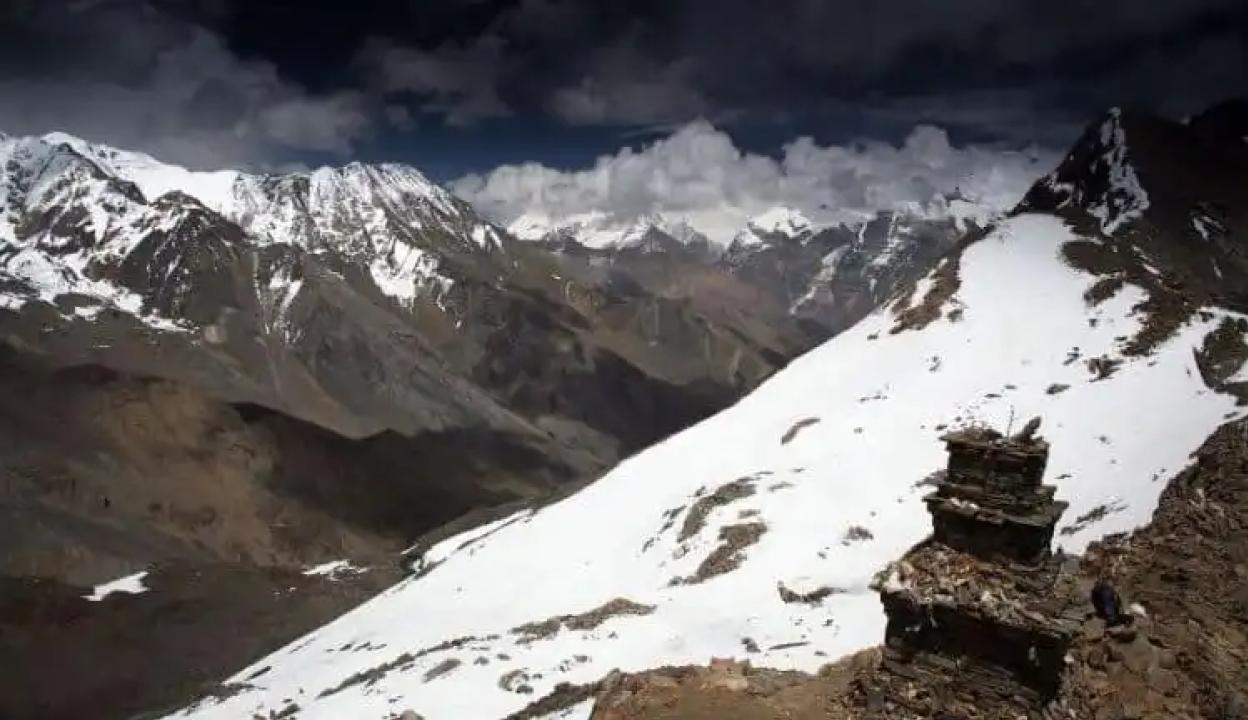
Yak pastures, prayer flags, and chortens dotting the landscape
-
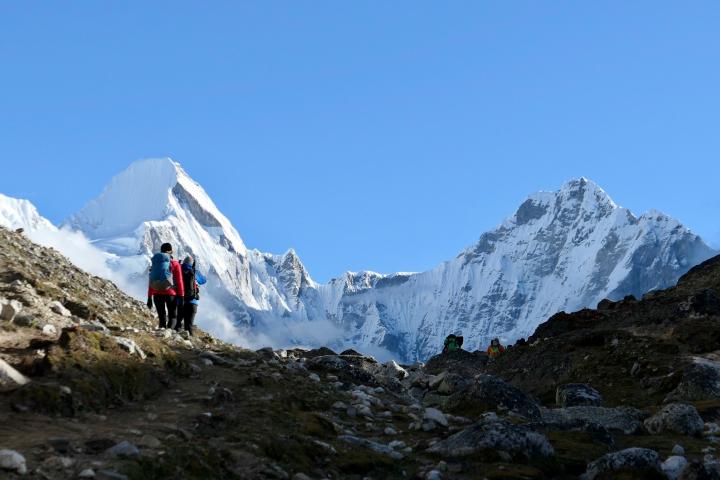
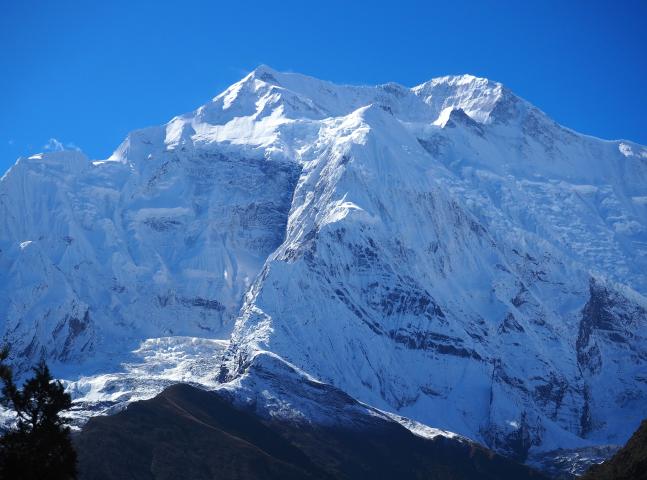
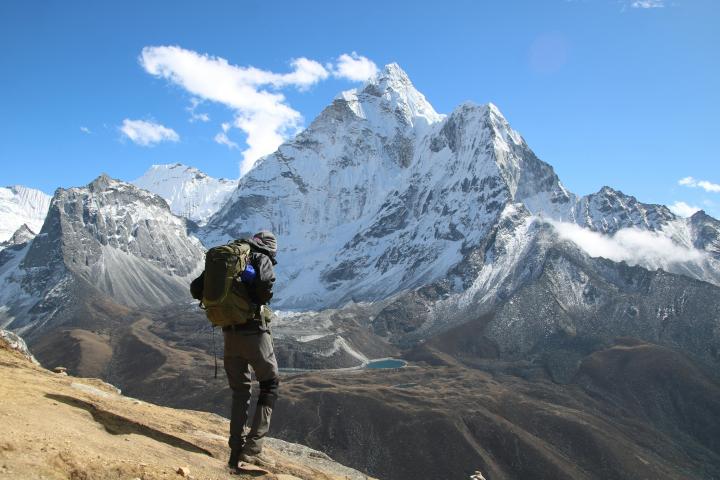
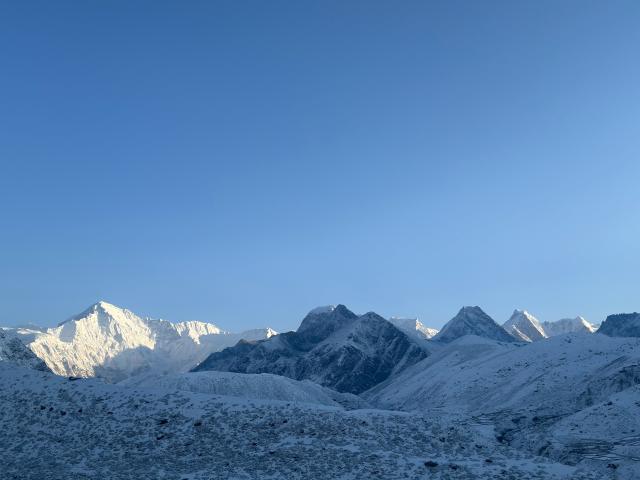
Stunning views of peaks like Himlung Himal, Kangaru, and Pisang Peak
The feeling of isolation is real here—there are few trekkers, and many villages have no road access. That adds to the sense of stepping into another time.
Trek Highlights
-
Phu Village: A high-altitude settlement surrounded by cliffs, where you can visit ancient gompas and watch local life unfold slowly and traditionally.
-
Nar Village: More fertile and lively than Phu, this is the gateway to the high pass that leads back toward the main trail.
Kang La Pass (5,322m): A tough but scenic climb that rewards you with sweeping views of the Annapurna range.
Difficulty and Preparation
Nar Phu is a moderately challenging trek. The trails are rugged, and the altitude gain is steady, reaching over 5,000 meters at the Kang La Pass. It’s suitable for trekkers with previous experience and good physical fitness.
Since it's a remote area, camping or staying in very basic teahouses is often part of the journey. A licensed guide is required, and travel insurance is highly recommended.
Permits
You’ll need a Restricted Area Permit (RAP) for Nar and Phu, as well as the Annapurna Conservation Area Permit (ACAP). These permits can only be issued through a registered trekking agency, and a minimum of two trekkers is required.
Best Season to Go
The best times to trek Nar Phu are spring (March to May) and autumn (September to November), when the weather is stable and skies are clear. Winter brings snow, making high passes risky, while summer can be wet and landslide-prone in lower areas.
Conclusion
The Nar Phu Valley Trek is a rare experience—raw, peaceful, and deeply cultural. It’s for those who want to go beyond the common paths and explore a remote part of the Himalayas where tradition is still alive, and the mountains feel untouched.