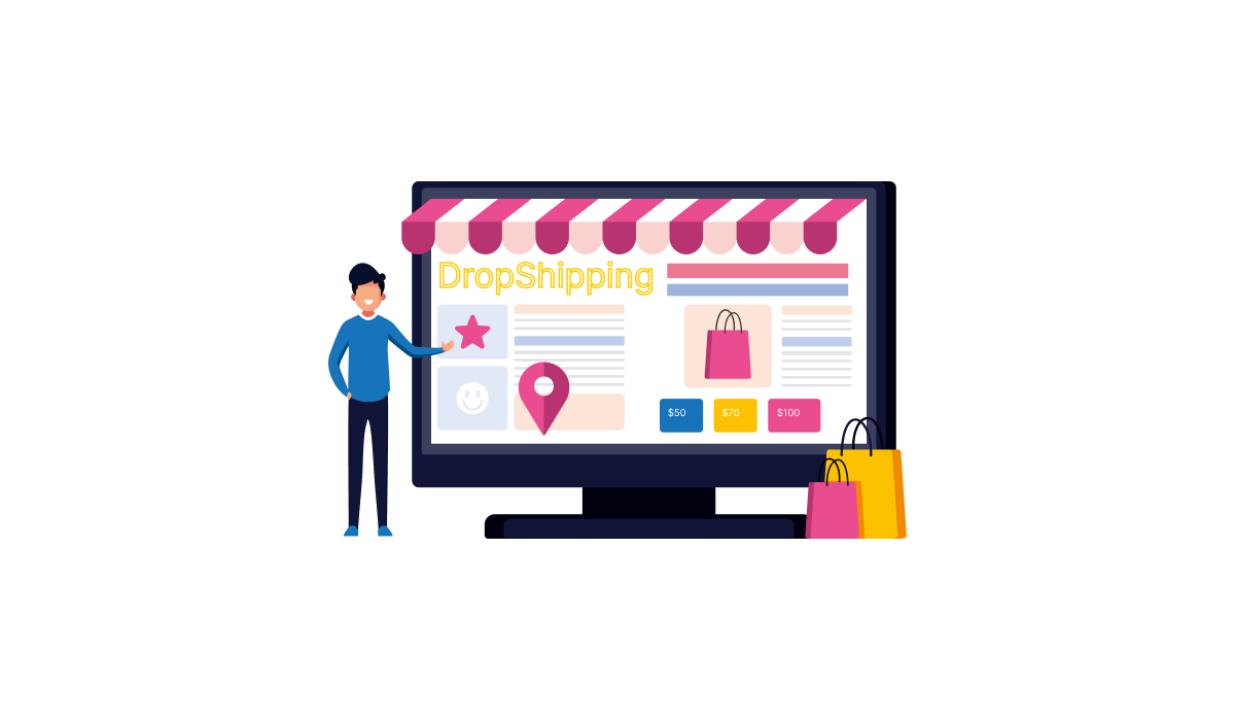
The dropshipping market in 2025 is brimming with potential, but only well-designed websites will lead in conversions and profitability. A successful site must align technology with consumer psychology. That means faster load times, better UX, and streamlined integration across channels.
Start with a purpose-built platform
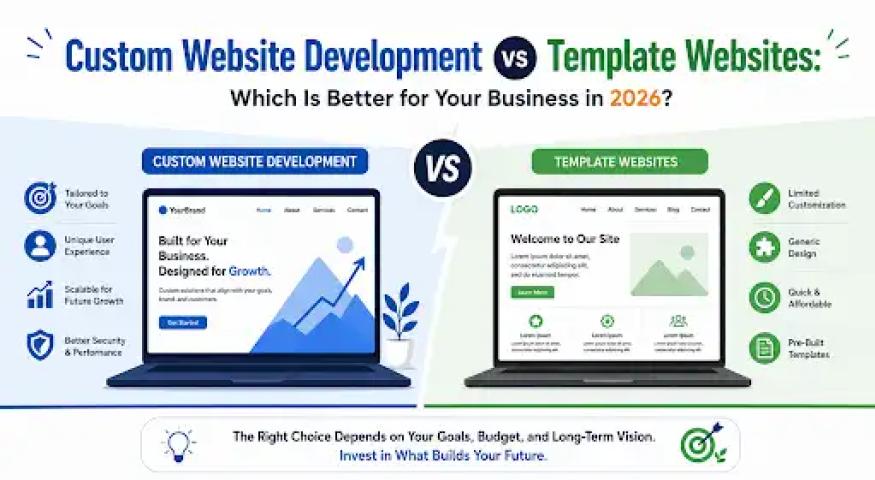
While many new entrepreneurs start with templates or marketplaces, serious players choose to develop dropshipping website solutions customized for their niche. This approach eliminates performance bottlenecks, increases flexibility, and empowers site owners to build features tailored to their audience. From clean admin panels to customer-specific views, a custom build allows full control of the experience.
Prioritize fast, intuitive browsing
In today’s mobile-first world, loading speed and intuitive navigation are no longer optional. A dropshipping website must allow customers to explore products effortlessly, with advanced filtering, quick previews, and easy-to-find CTAs. These features help retain potential buyers who might otherwise bounce after just a few clicks.
Automate inventory and fulfillment workflows
Dropshipping demands real-time synchronization with supplier databases. Sites should auto-update product availability, pricing, and shipping details without manual intervention. Automation ensures accuracy and scalability, which are critical when operating with multiple vendors and high-volume orders.
Use SEO-focused and persuasive content
A big mistake many dropshipping entrepreneurs make is underestimating the power of content. Optimized product descriptions, video demos, FAQs, and blog sections can drive organic traffic and reduce bounce rates. Including trust elements like verified reviews and security badges also supports purchase confidence.
Design for long-term scaling
As your customer base grows, your tech must evolve. Professional e-commerce website development includes scalable infrastructure that supports increased traffic, product lines, and transaction volumes. Integrations with analytics tools, CRM systems, and automation software become crucial. Future-ready development ensures your brand can handle expansion smoothly.
Provide multiple payment and shipping options
To cater to global customers, your site must support multiple currencies, payment gateways, and shipping APIs. Buyers appreciate flexibility, and offering localized options boosts trust and ease of purchase. A good dropshipping site lets customers shop their way, wherever they are.
Move beyond mobile-responsiveness
In 2025, mobile responsiveness is not enough. Many businesses are investing in full-fledged apps for brand loyalty and user retention. Custom e-commerce app development delivers faster navigation, real-time push notifications, and smoother interactions. These apps increase brand recall and lifetime value, especially with frequent shoppers.
Conclusion
Success in dropshipping isn’t about simply launching a store—it’s about crafting a seamless, engaging, and trustworthy shopping experience. Whether you're launching your first store or scaling an existing one, a strong tech foundation, thoughtful design, and automation will be the pillars of sustainable growth.