Understanding the difference between retargeting vs remarketing Google Ads could be the most profitable decision your business makes this year.
You’ve probably heard about retargeting before, but if you’re not using it strategically, you're leaving revenue on the table. In today’s highly competitive digital marketing landscape, converting first-time website visitors is rare. That’s where retargeting steps in—a proven, data-backed strategy designed to re-engage warm leads, reduce cart abandonment, and drive conversions.
Whether you're a startup or scaling enterprise in the USA or beyond, understanding the retargeting definition, how it works, and why it matters could transform your customer acquisition and retention strategy. Let’s break it down.
What Is Retargeting?
Retargeting Definition
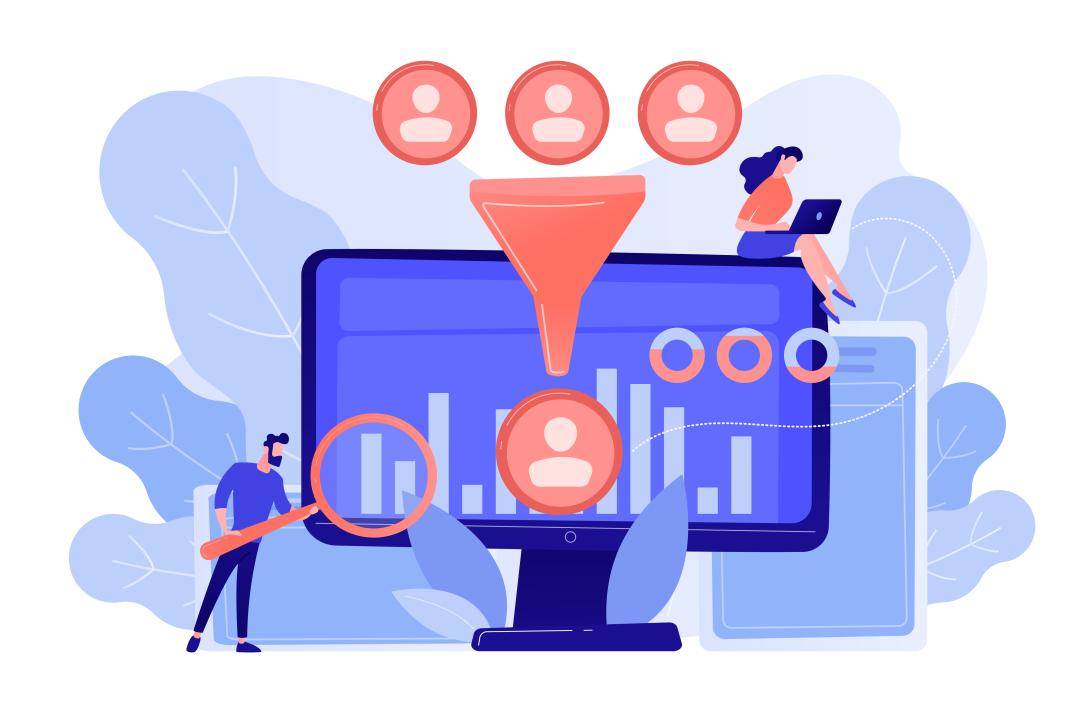
Retargeting is a digital advertising strategy that targets users who have previously interacted with your website, app, or brand but didn’t convert. Through browser cookies or pixel tracking, you can serve personalized ads to these users across platforms like Google, Facebook, Instagram, and display networks.
The retargeting definition can be summed up simply: it’s a method of reminding potential customers what they left behind and nudging them back into the funnel.
These ads can be used to:
Encourage users to complete a purchase
Sign up for a service
Download an app
Return to your website for more information
Why Retargeting Matters Right Now
Over 95% of website visitors leave without converting. Without retargeting, most of these visitors are lost forever. With it, you're giving your brand a second chance—on their terms, and often at a much lower cost than cold traffic.
Here’s why businesses are investing heavily in retargeting now:
1. Rising Acquisition Costs
The cost of acquiring new customers has steadily increased. Retargeting helps offset this by improving customer retention, reducing churn, and increasing the lifetime value of users who are already familiar with your brand.
2. Smarter Ad Spend
Why waste budget on people who don’t know you, when you can focus on those who already do? Retargeting zeroes in on your warmest leads—making every dollar work harder.
3. Multi-Platform Reach
From YouTube pre-rolls to Instagram Stories, retargeting campaigns follow users where they spend time. Whether you're using Google Ads, Facebook, or third-party networks, your message stays consistent and visible.
Retargeting vs Remarketing Google Ads: What’s the Difference?
This is one of the most common sources of confusion for marketers. Retargeting vs Remarketing Google Ads isn't just semantics—it reflects different strategies.
Retargeting
Traditionally refers to display ads served to people who visited your website or interacted with your brand online. These are typically cookie-based campaigns shown across the web or on social media.
Remarketing
In the Google Ads ecosystem, remarketing includes both display and search-based campaigns targeting past visitors or customers. It’s often broader and may include email marketing lists and YouTube viewer data.
Key Differences:
Feature | Retargeting | Remarketing |
Platform-specific term | Not necessarily | Specific to Google Ads |
Channels | Web, social | Google Display Network, YouTube, Gmail |
Data Source | Browser behavior | User lists, Google account history |
Primary Use | Re-engage anonymous site visitors | Reconnect with past customers or email subscribers |
Both strategies are powerful. Retargeting vs remarketing Google Ads isn’t about picking one over the other—it’s about combining them for a full-funnel strategy.
How Retargeting Supports Customer Retention
Customer retention is about keeping existing customers engaged, satisfied, and coming back. Retargeting strengthens this by:
Reminding past customers of new deals or products
Upselling based on previous behavior
Delivering loyalty messages or rewards
Real-World Use Cases:
E-commerce: Show dynamic product ads to cart abandoners
SaaS: Re-engage free-trial users with onboarding prompts
B2B: Serve thought-leadership content to previous site visitors
By consistently staying in front of your audience, you nurture familiarity and trust—two essentials for customer retention in any market.
How to Launch a Retargeting Campaign
Starting a retargeting campaign isn’t rocket science, but it does require strategy. Here's a simplified framework:
Step 1: Define Your Audience
Segment users based on behavior:
- Visited a product page but didn’t buy
- Added to cart but didn’t check out
- Visited multiple pages with high dwell time
Step 2: Install Tracking Tools
Use a retargeting pixel or tag from platforms like:
- Google Ads (Global Site Tag)
- Meta Pixel (for Facebook/Instagram)
- LinkedIn Insight Tag
Step 3: Create Tailored Ad Creatives
Make your message match your audience's previous interaction:
- Product reminders
- Limited-time offers
- Social proof (testimonials, reviews)
Step 4: Set Your Budget and Schedule
Retargeting ads typically yield better ROI with smaller budgets than top-of-funnel campaigns.
Step 5: Monitor and Optimize
Keep an eye on:
- Click-through rates (CTR)
- Cost per conversion
- Frequency (don’t oversaturate)
Common Mistakes to Avoid
- Overexposure: Bombarding users with the same ad can lead to ad fatigue.
- Ignoring mobile users: Always design ads with mobile responsiveness in mind.
- Poor segmentation: Retargeting everyone with the same message is a waste.
Be intentional, strategic, and test variations.
Is Retargeting Right for Your Business?
If you’re getting traffic but not conversions, then yes—retargeting is absolutely for you. It’s one of the fastest ways to boost ROI and improve the efficiency of your entire digital marketing funnel.
It’s especially effective for:
- E-commerce brands looking to reduce cart abandonment
- Service providers wanting to reconnect with leads
- B2B companies aiming to shorten long sales cycles
In short, if you’re online, retargeting should be part of your strategy.
Final Thoughts: Retarget or Get Left Behind
Whether you call it retargeting vs remarketing Google Ads, the results speak for themselves—higher conversion rates, better customer retention, and more efficient ad spend.
Now that you understand the retargeting definition, it’s time to take action. Don’t let your warmest leads cool off. The digital landscape in the USA and globally is more competitive than ever, and retargeting is no longer optional—it’s mission-critical.
Ready to Convert More Visitors Into Customers?
We specialize in performance-driven retargeting strategies built to maximize ROI and keep your pipeline full. Let’s unlock the full potential of your traffic—contact us today for a free consultation and see what a tailored retargeting campaign can do for your business.