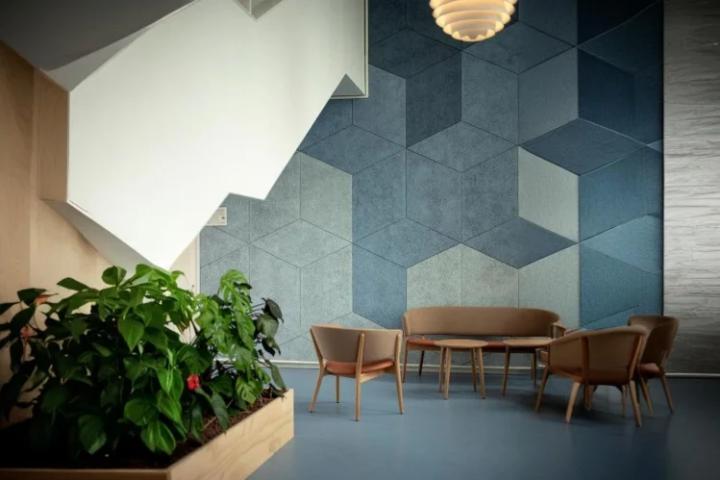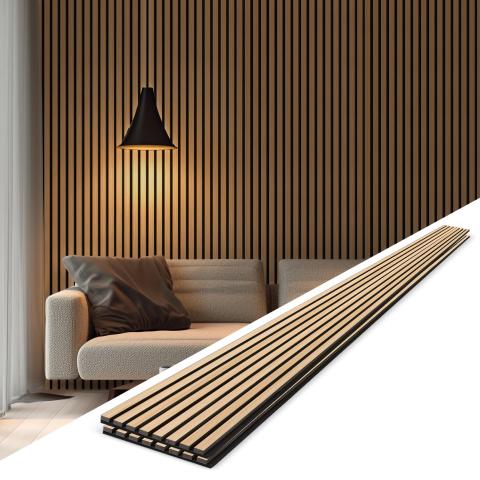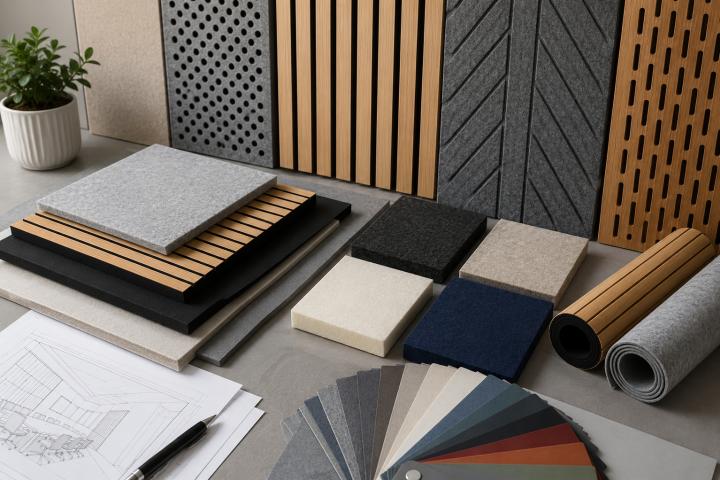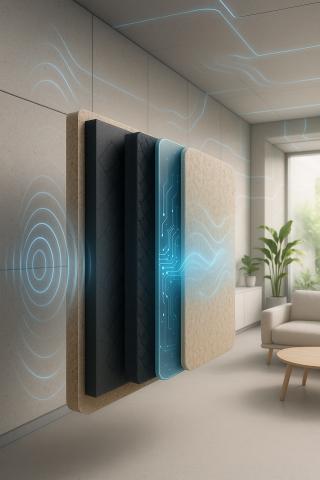
Setting up a studio requires more than excellent gear or sharp sound engineering. The space itself must work acoustically. Treatments shape the clarity and tone of recordings. Two primary options lead the way: acoustic wall panels and sheets. Which one suits your setup best? Read below to find out!
Decoding it Feature-wise
Below is a comparison between acoustic panel materials and acoustic sheets to figure out which one is good. Delve into it deeply:
Material Density and Build
Acoustic panel materials are thicker, more rigid, and designed to target mid to high-frequency ranges. Their density ensures consistent performance in environments with unpredictable sound reflection.
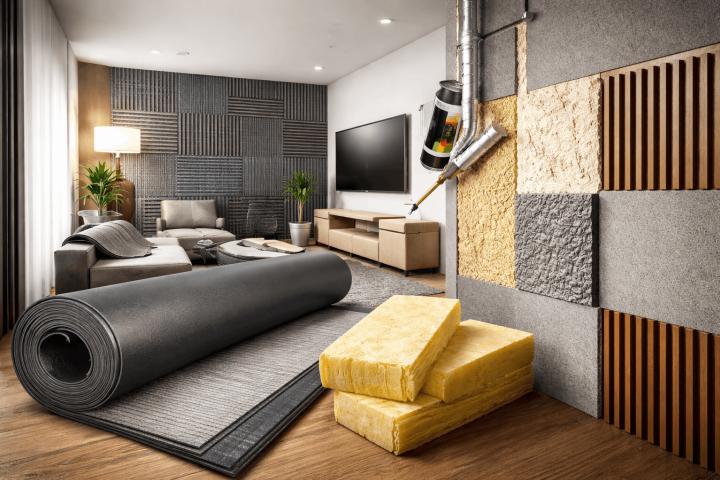
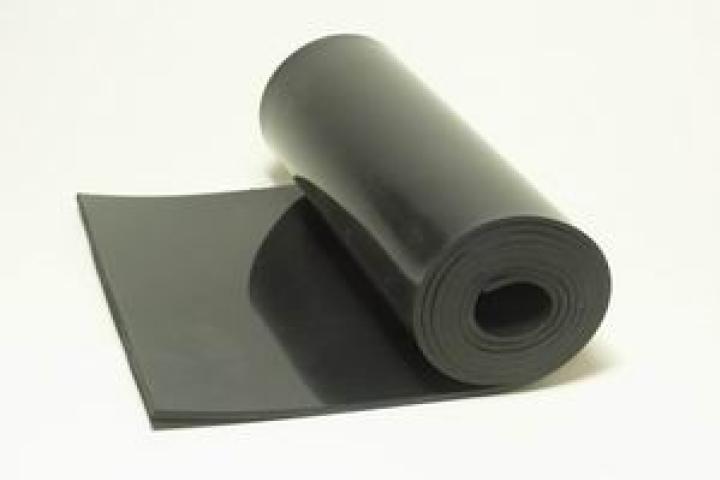
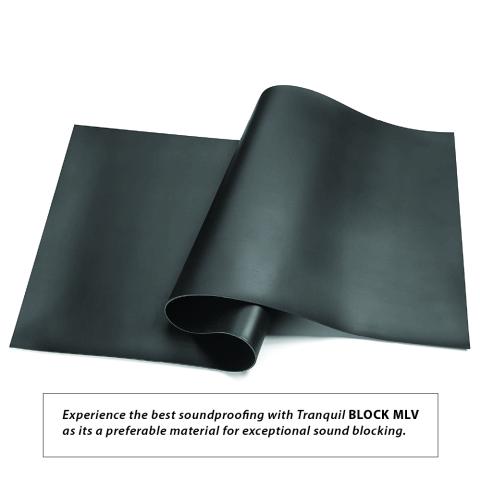
Acoustic sheets, by contrast, are thinner and more flexible. They may not offer the same level of depth in absorption, particularly in spaces where clarity is crucial, like vocal booths or control rooms.
Surface Coverage
Studios benefit from strategic placement. Acoustic panel materials are usually mounted on walls or ceilings in defined zones. Their targeted use reduces flutter echo and standing waves effectively.
Acoustic sheets often cover larger areas quickly but lack the precision offered by panel configurations. Their effectiveness depends heavily on layering and room layout.
Aesthetic Integration
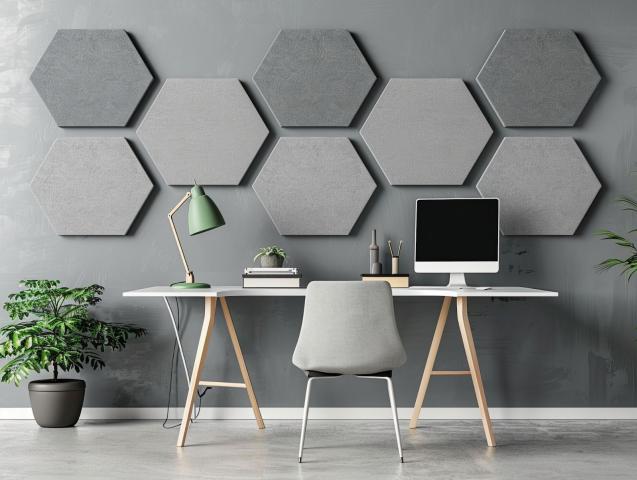
For visible environments, acoustic panel materials deliver a polished look. They come in various finishes, complementing studio interiors without compromising sound performance.
Acoustic sheets are utilitarian in appearance. While functional, they often require additional framing or covering for aesthetic appeal.
Installation Flexibility
Acoustic sheets are easier to install temporarily. They suit project studios or mobile setups where space might change frequently.
However, acoustic panel materials are more permanent. Once installed, they provide reliable absorption over long periods without shifting or sagging.
Acoustic Accuracy
Recording spaces demand precision. Acoustic panel materials are engineered to maintain specific NRC (Noise Reduction Coefficient) ratings, ensuring predictable acoustic behavior.
Acoustic sheets are less consistent in performance due to variations in thickness and material quality.
Sound Isolation Support
While not primarily designed for isolation, acoustic panel materials contribute marginally to controlling sound bleed between rooms.
Acoustic sheets offer minimal isolation value unless combined with barriers or used in multiple layers.
Cost and Durability
Acoustic sheets are more affordable. For basic dampening or temporary use, they provide a budget-friendly option.
Acoustic panel materials cost more but last longer, especially in demanding studio environments where long-term performance matters.
Studio-specific Applications
In mixing rooms or mastering spaces, acoustic panel materials handle critical reflections with higher accuracy.
Acoustic sheets may be used in rehearsal areas or for general ambient control but fall short in high-precision settings.
Customization Options
Acoustic panel materials can be tailored in shape, thickness, and surface texture, offering customization for specific frequency targets.
Acoustic sheets lack the same adaptability, offering fewer design choices for frequency-specific absorption.
Environmental Control
Temperature and humidity affect performance. Acoustic panel materials remain stable under studio lighting and HVAC influence.
Acoustic sheets may warp or degrade over time without proper support or environmental control.
Reusability
If relocation is planned, acoustic sheets can be folded and reused easily.
Acoustic panel materials, though harder to transport, retain their form and function better after reinstalling.
Final Thoughts
Precision matters in sound design. Acoustic wall panels provide it. They absorb, balance, and improve the environment for high-quality production. When sound accuracy is essential, these panels are the smarter option.
Still, Acoustic Sheet Material has its place. It works for quick fixes or temporary studios. It supports other treatments well but shouldn’t stand alone in professional spaces.
Ultimately, it’s not always about choosing one or the other. The best results often come from using both wisely. Start with acoustic wall panels to address the core issues. Then enhance with Acoustic Sheet Material where extra absorption is needed.
Acoustic wall panels go beyond noise reduction. They shape how sound lives in the room. Their careful use elevates studio quality to a professional level. In environments where performance counts, these panels become more than tools. This means that in the long run they become essentials.
If your space needs flexibility and fast results, Acoustic Sheet Material is a helpful ally. But for lasting impact and sonic excellence, acoustic wall panels lead the way., explore here : https://www.tranquilglobal.com/acoustic-panels.html