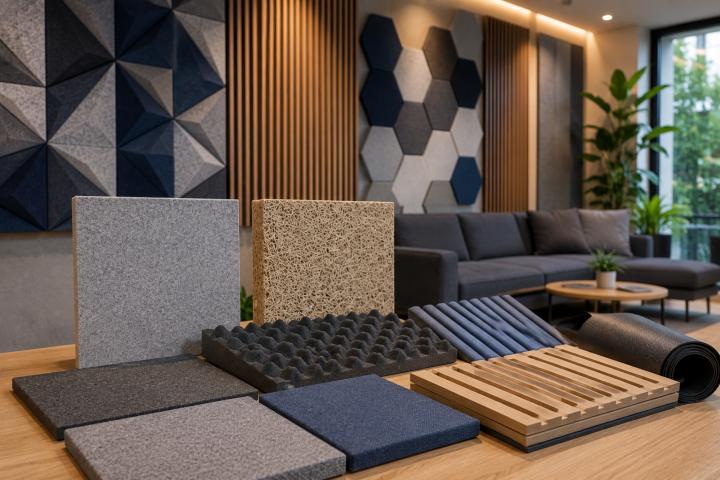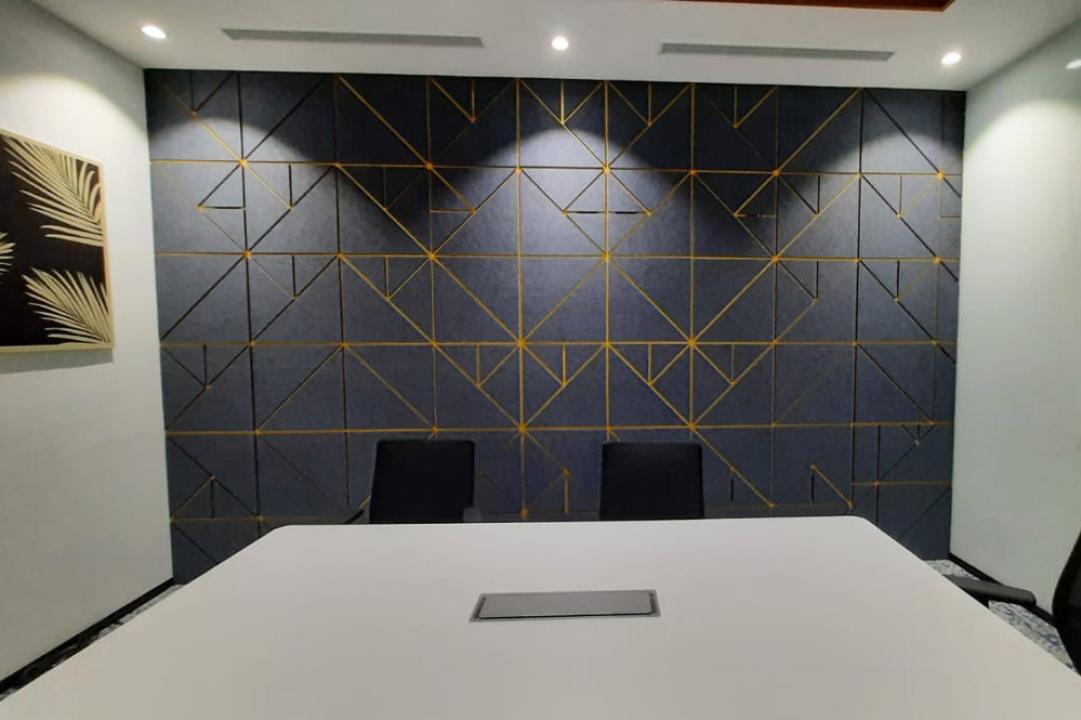
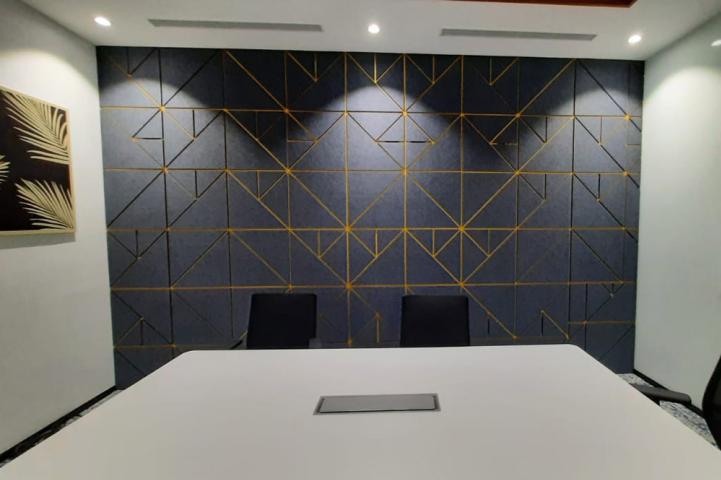
Sound matters in any interior. Designers weigh both look and function. Two key choices are wood acoustic paneling and fiberglass acoustic panels. Each serves a different set of priorities. The right pick depends on mood, use, and conditions.
Visual Warmth and Character
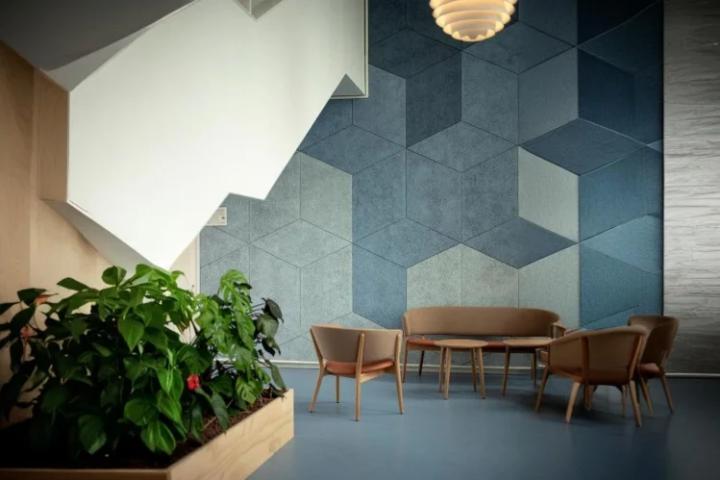
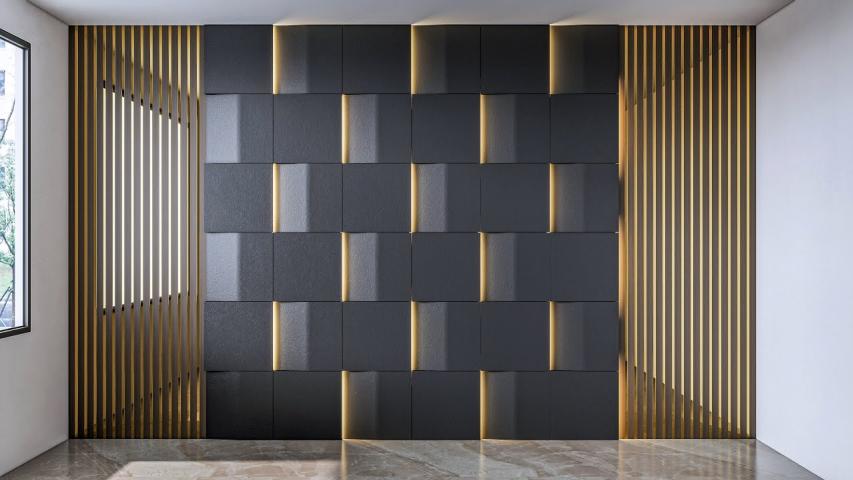
Wood acoustic paneling brings warmth. The natural grain and hue offer rich visuals. Acoustic wood panels enhance mood with cozy tones. They add texture without overwhelming. In contrast, fiberglass acoustic panels deliver clean, neutral finishes. They suit modern or technical spaces. Yet, acoustic wood panels feel inviting. They anchor design with organic depth. Homes, studios, or hospitality spaces often favor their tactile appeal.
Design Tip
Use acoustic wood panels on feature walls to build atmosphere. Use fiberglass acoustic panels where visual focus isn't key.
Ease of Installation
Fiberglass acoustic panels install quickly. Light boards adhere easily to most surfaces. Cuts fit standard grids. Wood acoustic paneling demands careful fastening. Each piece must align with seams. Extra steps ensure tight appearance. Still, acoustic wood panels deliver elegance once in place. Installation takes longer, but feels exact.Tools and craftsmanship play a bigger role.
Installer Tip
Use laser levels for clean lines when mounting acoustic wood panels. Adhesive grids suit fiberglass acoustic panels for fast turnaround.
Lasting Durability
In dry zones, wood acoustic paneling stands strong. Minor impacts leave little trace. Warping stays minimal in stable climates. Fiberglass acoustic panels resist moisture effortlessly. They resist mold and sag when damp. In basements or damp corridors, panels maintain shape. Still, acoustic wood panels remain viable if sealed properly. For areas with high humidity, protective coatings on wood extend life.
Science Insight
Fiberglass acoustic panels use inert glass fibers that don’t support fungal growth, making them ideal for basements, kitchens, or indoor pools.
Sound Performance
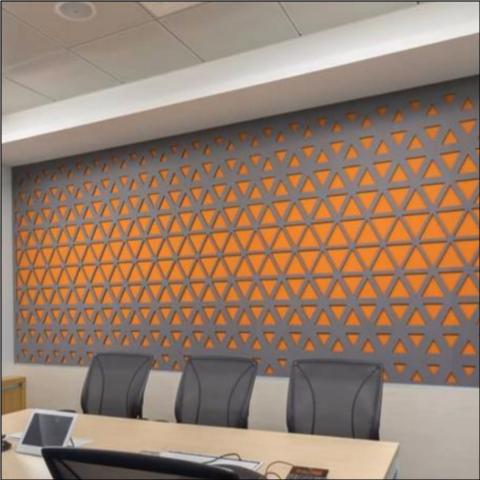
Lab tests show fiberglass acoustic panels absorb high and mid frequencies well. They reduce echo and soften voices. Wood acoustic paneling diffuses reflections gently. Rooms feel more alive yet audible disturbances reduce. Music or meeting spaces gain character through resonance. You lose a bit of strict deadness, but gain balanced acoustics. Designers choose based on desired sound >
Acoustic Tip
Use fiberglass acoustic panels near work zones or conference areas. Use acoustic wood panels where ambiance and tone balance are needed.
Sustainability Scores
Wood acoustic paneling can be FSC certified. It emits minimal chemicals when finished properly. The panels biodegrade harmlessly at end of use. Fiberglass acoustic panels use man-made binders and fillers. They may not appeal to eco-conscious owners. However, some versions include recycled glass. Overall, acoustic wood panels offer cleaner wellness ratings.
Fact
NRC (Noise Reduction Coefficient) for fiberglass acoustic panels often ranges from 0.80–1.00, while wood acoustic paneling diffuses and absorbs with NRC values around 0.50–0.75, depending on design.
Maintenance and Cleaning
Cleaning routines vary between the two. Fiberglass acoustic panels require only a light vacuum or a damp cloth. They resist stains and hold shape over time. Wood acoustic paneling benefits from occasional polishing or light dusting. Natural finishes may require refinishing after years of wear, especially in public areas. While neither demands intensive upkeep, expectations should align with the interior's use.
Common Problem and Solution
Problem: Over time, wood acoustic paneling can start to look a little worn. The finish might fade, or the surface may lose its original sheen.
Solution: A quick polish now and then can bring the panels back to life. For areas that see a lot of foot traffic, it's smart to go with pre-finished panels that already have a strong protective coating. That way, you won’t need to worry about constant touch-ups.
Versatility in Application
Each panel type fits a different design vision. Fiberglass acoustic panels blend easily into ceiling grids, back walls, or behind artworks. Their minimal thickness suits compact rooms. Wood acoustic paneling, on the other hand, transforms entire surfaces into statement pieces. Whether vertical slats or flat boards, they elevate >
Final Comparison
Both options offer acoustic support. Fiberglass acoustic panels excel at absorption and humidity resistance. Wood acoustic paneling excels at texture, warmth, and visual richness. Acoustic wood panels bring balance when ambiance matters. Ultimately, the better material depends on goal, context, and user experience. Designers select based on whether sound control or sensory connection takes priority. In many cases, using both strategically yields the best of both worlds. https://www.tranquilglobal.com/index.html