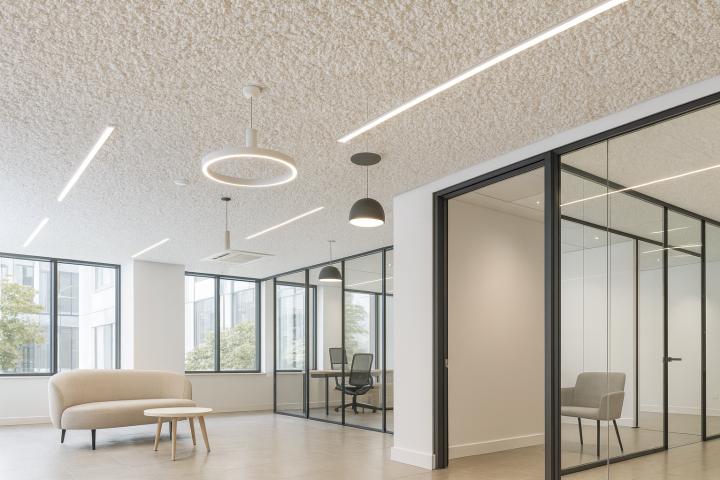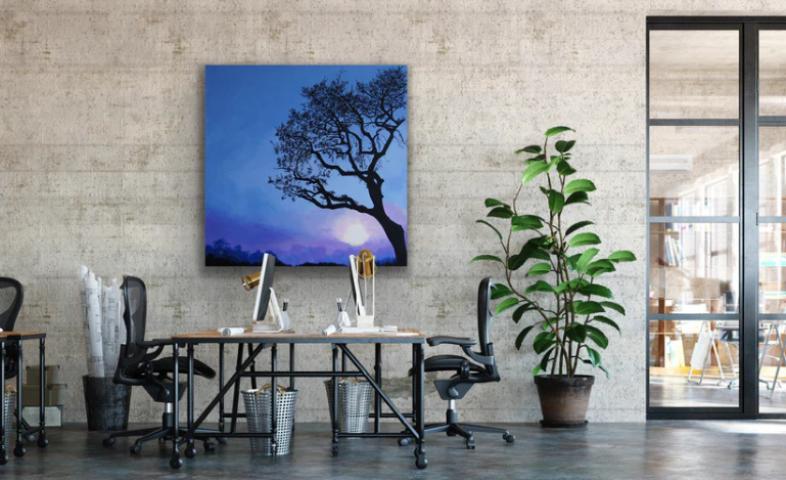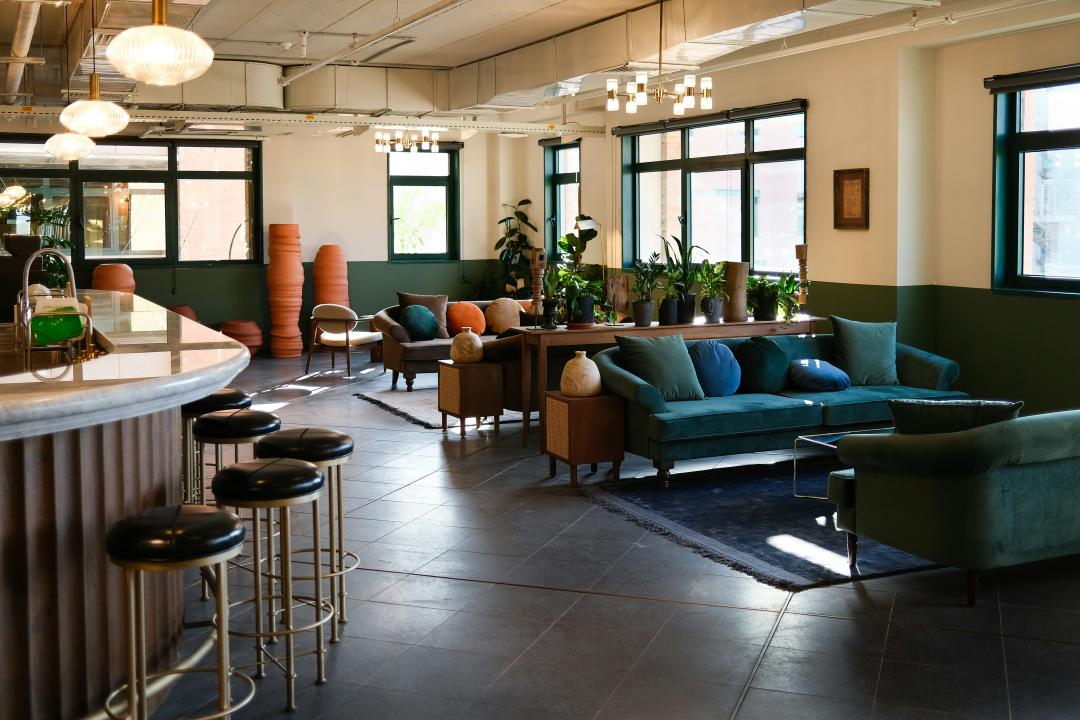
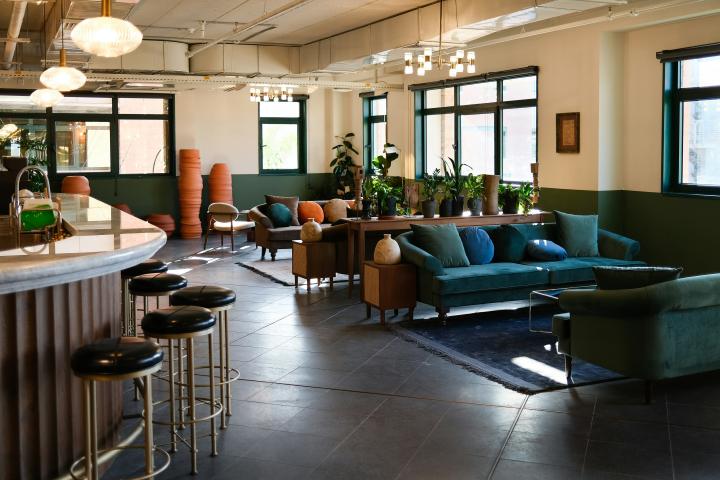
Color influences emotion. It also controls perception. When used with acoustic panel material, color shapes more than just sound. It sculpts space. It speaks mood. It builds experience. Modern design loves this mix. Acoustic wall panels are no longer silent in >acoustic panel material you choose should perform well and look stunning. Every space tells a story. Color adds tone. Acoustic wall panels give rhythm. Let’s explore how color changes the game in sound design.
Where Style Meets Silence
Good design starts with feeling. The right acoustic panel material controls noise. The right color sets the tone. When blended well, they bring harmony. Acoustic wall panels today are made to be seen. They don't hide. They express. Architects now use them as a canvas. Sound control becomes visual design.
Earth Tones Make You Feel Grounded
Beige, clay, terracotta, and warm grey. These colors calm the mind. They work beautifully in clinics, libraries, and meditation rooms. Earth shades in acoustic panel material soothe without overwhelming.
Tip
Use warm tones in wellness rooms. They reflect softness while maintaining acoustic clarity.
Cool Shades Inspire Focus
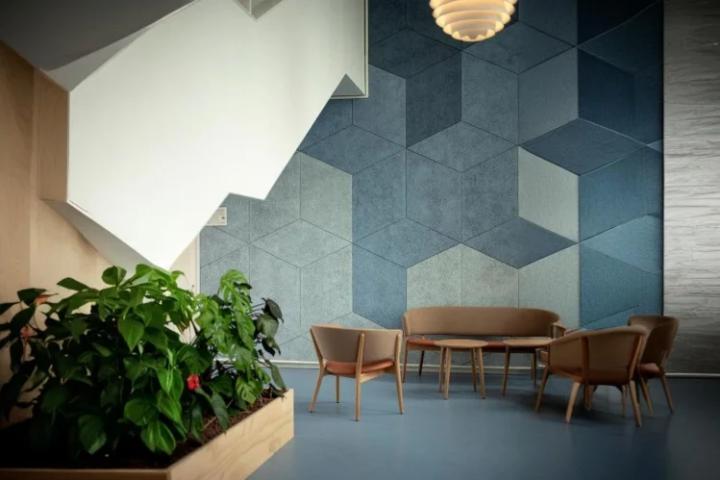
Blues, greys, and soft greens belong in creative studios. These shades improve focus. They help thinkers think. A cool-colored acoustic wall panel makes a space feel calm, collected, and alert.
Breaking the Monotony with Color Blocks
In large spaces, repetition kills energy. Offices and schools benefit from color blocking. Mix hues within your acoustic panel material layout. Try deep blue with mustard yellow. Or charcoal paired with ivory. This visual contrast boosts engagement. It also helps with wayfinding. People remember colorful walls. They feel more connected.
A Dash of Bold
Use bright tones sparingly. A red acoustic wall panel draws attention. Too many are overwhelmed. Use one bold panel among neutrals. It becomes a feature. It sparks conversation.
Fun Fact
Studies show that adding color contrast in rooms with acoustic wall panels can improve memory retention by 15 percent.
Matching Color with Function
Different spaces ask for different tones. A music studio needs mood. A boardroom demands authority. A café wants warmth. Acoustic panel material should be chosen with that emotional palette in mind.
Dark Shades Create Intimacy
Charcoal, navy, deep maroon. These add depth. They shrink space slightly. Perfect for small performance rooms or lounge areas. A dark acoustic wall panel creates a cozy feel.
Light Colors Open Up Rooms
Off-white, sand, sky blue. These brighten the space. They make ceilings feel higher. Best used in classrooms or coworking hubs. Light acoustic panel material helps reflect daylight. It makes rooms feel alive.
Tip
Want a balance? Combine a dark lower half of the wall with light upper panels. It grounds the room while keeping the airiness.
Patterns, Textures, and Layers
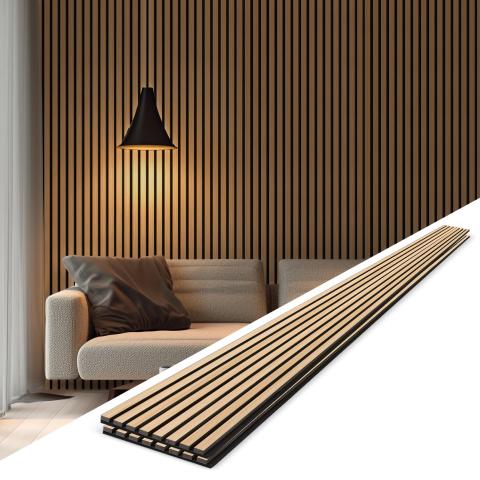
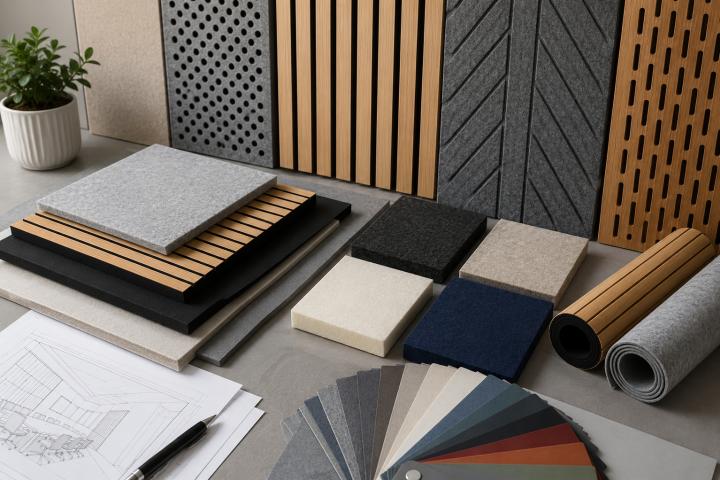
Color alone doesn’t complete the story. Texture adds another layer. Felt, fabric, and wood-finished acoustic wall panels bring depth. Texture changes how light hits color. Even a single tone of acoustic panel material can appear dynamic if the texture shifts. A matte finish softens. A woven finish gives dimension.
Add Movement With Patterned Panels
Chevrons, stripes, or custom prints. These aren't just decorative. They help scatter sound. This improves room acoustics. A patterned acoustic wall panel makes a space feel custom-built.
Fun Fact
Offices with textured acoustic panel material see a 22 percent increase in perceived comfort.
Branding with Acoustic Design
Why stop at decoration? Use acoustic wall panels to reinforce brand identity. Match the panel color with the brand colors. Install logo cutouts or custom-printed panels. Acoustic panel material can be printed with any color or pattern. This transforms standard walls into branded statements.
Hospitality and Retail
Hotels, restaurants, and stores now use color-coded acoustic wall panels to control ambiance. Darker tones for lounges. Brighter tones for retail zones. Color becomes part of the customer journey.
The Future is Fully Custom
The market for acoustic panel material is evolving. Custom color orders are more accessible than ever. Designers can specify exact Pantone shades. Brands can use multi-tone layouts. Clients can choose textures, edge shapes, and even backlighting.
Modular Panels Open New Possibilities
Many acoustic wall panels now come in modular kits. This means colors can shift with seasons or events. Want a spring refresh? Swap panels without changing the frame. Flexibility meets creativity.
Tip
Use modular acoustic panel material in co-working spaces for dynamic, fresh looks that evolve with trends.
Points You Must Note By Far
The relationship between sound control and color is real. Choosing acoustic panel material isn't just about quiet. It’s about aesthetic impact. Don’t forget:
Acoustic wall panels contribute both visually and functionally.
The wrong color makes even the best acoustic panel material feel flat.
Pattern, texture, and modularity are part of the design puzzle.
Branded acoustic wall panels increase brand recall.
Custom colors elevate interiors beyond expectation.
Each point helps you refine your space. Each decision builds identity.
Final Note
Color is not a secondary choice. In modern acoustic design, it is central. The best acoustic panel material performs and inspires. The smartest acoustic wall panels solve sound issues and uplift >
Designing mood. Creating identity. And that all begins with color. Choose your acoustic panel material wisely. Let your acoustic wall panels reflect your vision. Let every wall tell a story of silence, >https://www.tranquilglobal.com/contact-us.html