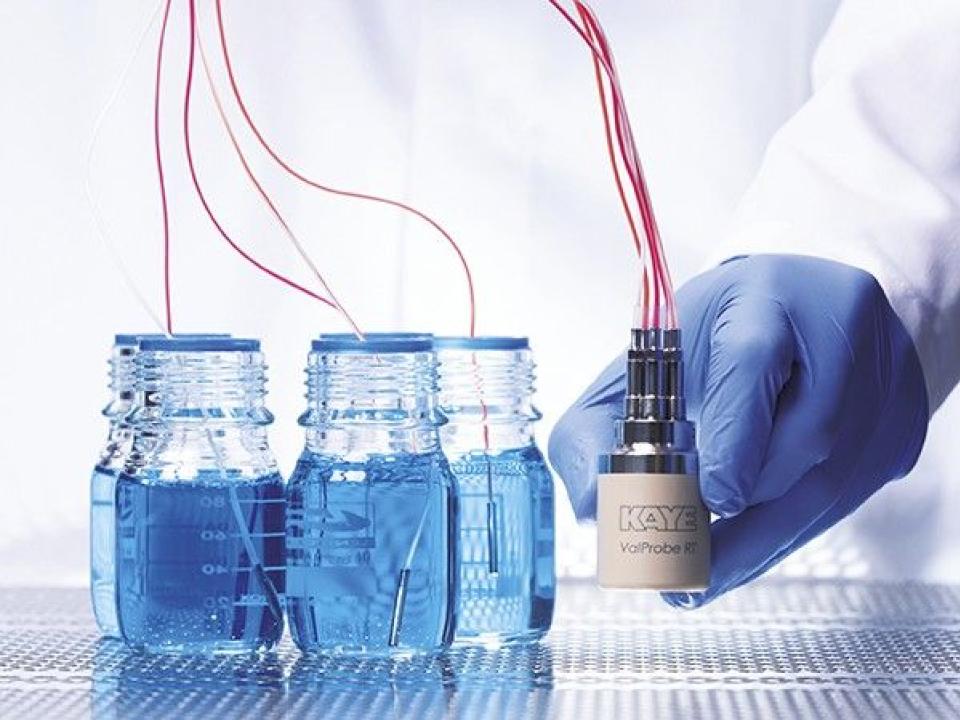
In industries where precision, compliance, and efficiency are paramount, having access to accurate and up-to-the-minute information is essential. This is where the Real Time Data Logger and real-time data logging technology play a transformative role. From environmental monitoring to industrial automation, these tools ensure that critical parameters are continuously measured, recorded, and analyzed without delays.
What is a Real Time Data Logger?
A Real Time Data Logger is an electronic device designed to measure and record specific environmental or process parameters—such as temperature, humidity, pressure, or vibration—in real time. Unlike traditional data loggers that store data for later retrieval, a real time data logger instantly transmits measurements to a connected system or cloud platform. This immediate access allows users to monitor conditions and respond to changes without delay.
For example, in pharmaceutical cold chain logistics, a real time data logger can continuously monitor temperature during shipment, instantly alerting staff if conditions deviate from safe ranges.
Understanding Real-Time Data Logging
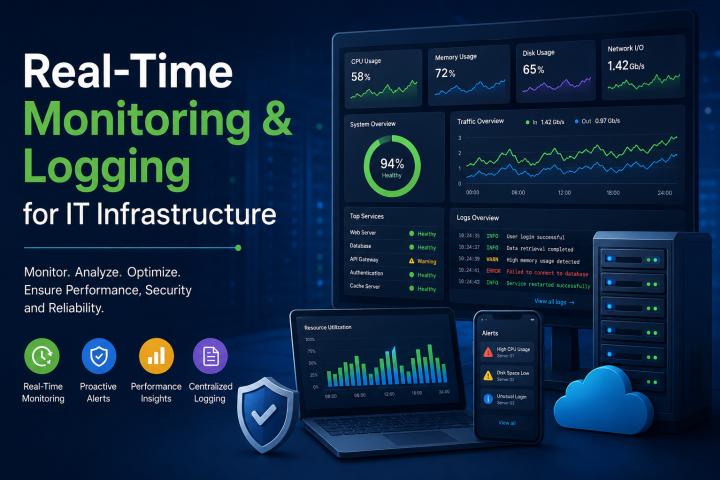
Real-time data logging refers to the continuous, instantaneous collection and transmission of measurement data from a monitoring device to a centralized system. This process ensures that readings are always current, enabling proactive decision-making rather than reactive responses.
Industries benefit from real-time data logging by gaining a complete and uninterrupted view of operational conditions. For instance, in manufacturing, this technology allows engineers to spot process deviations as they happen, preventing defective products from reaching customers.
Benefits of Using a Real Time Data Logger with Real-Time Data Logging
- Immediate Alerts – Instant notifications help address problems before they escalate.
- Improved Compliance – Continuous monitoring provides the documentation required for regulatory audits.
- Reduced Downtime – Rapid detection of anomalies prevents prolonged equipment failures.
- Enhanced Accuracy – Real-time data logging ensures precise and timely measurements.
- Remote Accessibility – Cloud integration allows data access from anywhere in the world.
Applications Across Industries
The Real Time Data Logger and real-time data logging are widely used in:
- Pharmaceuticals – Monitoring stability chambers, cleanrooms, and cold chain logistics.
- Food and Beverage – Ensuring storage and processing conditions meet safety standards.
- Energy Sector – Tracking performance of critical equipment in real time.
- Environmental Monitoring – Measuring air quality, water quality, and weather conditions.
- Industrial Automation – Providing live process feedback to optimize operations.
Choosing the Right Solution
When selecting a real time data logger for real-time data logging, consider factors such as measurement range, accuracy, connectivity options (Wi-Fi, GSM, Ethernet), battery life, and compatibility with existing systems. Cloud-enabled loggers often provide added convenience by offering secure, centralized data storage and analytics.
Conclusion
A Real Time Data Logger combined with real-time data logging capabilities empowers organizations to monitor critical parameters continuously, respond to issues instantly, and maintain the highest standards of quality and compliance. In today’s fast-paced industries, having accurate, live data is not just an advantage—it’s a necessity for operational success.