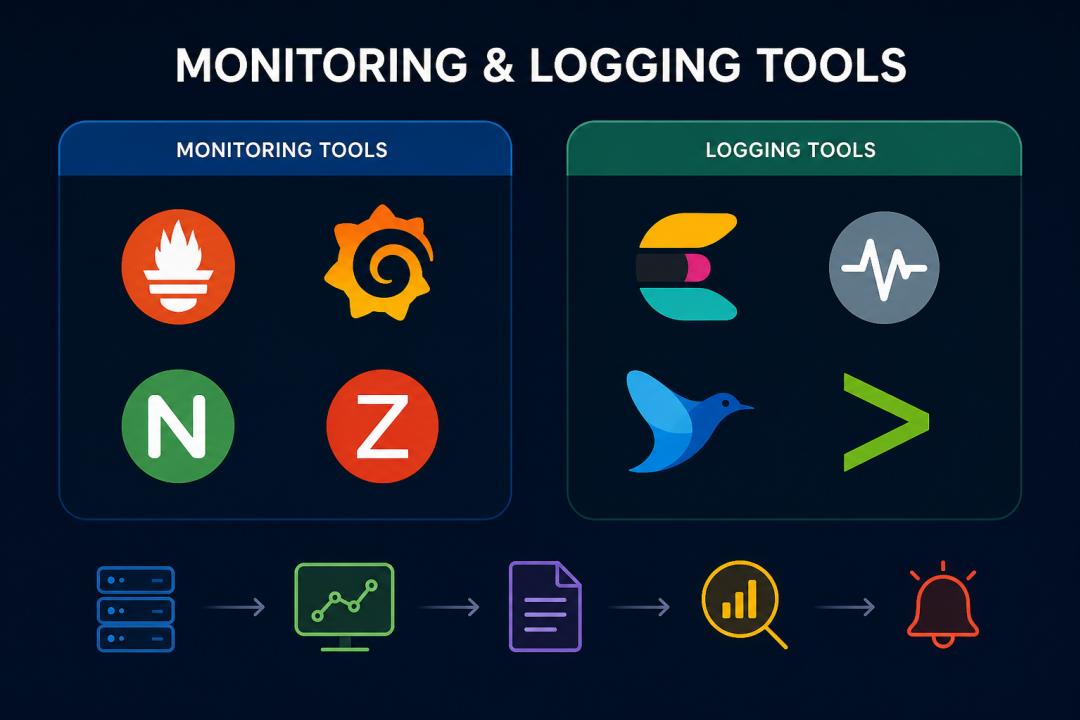
Modern businesses depend heavily on stable, secure, and high-performing IT systems. Whether it is a startup running a simple web application or a large enterprise managing cloud infrastructure across multiple regions, maintaining system health is critical for smooth operations. One of the most effective ways to achieve this is through Monitoring & Logging solutions.
As digital transformation continues to grow, organizations are handling larger volumes of data, applications, servers, APIs, and cloud resources than ever before. Without proper visibility into these systems, businesses may face downtime, security vulnerabilities, poor application performance, and customer dissatisfaction. This is why Monitoring & Logging has become an essential part of modern IT infrastructure management.
In this article, we will explore the importance of monitoring and logging tools, their benefits, key features, use cases, and how businesses can implement them effectively to improve operational efficiency and system reliability.
Understanding Monitoring and Logging
Monitoring refers to the continuous observation of systems, networks, applications, and infrastructure components to ensure they are functioning correctly. It helps IT teams track system performance, detect anomalies, and identify potential issues before they become critical problems.
Logging, on the other hand, involves collecting and storing records of events generated by applications, servers, operating systems, and network devices. Logs provide detailed information about system activities, user actions, errors, and security events.
Together, monitoring and logging create a complete visibility layer for IT infrastructure. While monitoring provides real-time insights and alerts, logging helps investigate issues and analyze historical data.
Why Monitoring and Logging Matter
Businesses today operate in highly competitive environments where even a few minutes of downtime can result in financial losses and reputational damage. Monitoring and logging solutions help organizations maintain high availability and operational efficiency.
Some of the major reasons why these tools are important include:
Improved System Performance
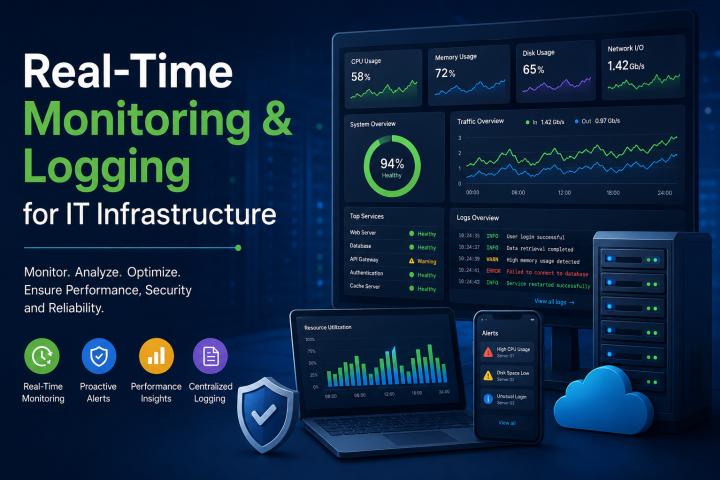
Monitoring tools continuously analyze CPU usage, memory consumption, disk space, network traffic, and application response times. This allows IT teams to optimize performance and prevent bottlenecks before they affect users.
Faster Problem Detection
Real-time alerts help administrators identify issues immediately. Instead of waiting for customers to report outages, businesses can proactively resolve problems.
Better Security Visibility
Logs capture security-related activities such as failed login attempts, unauthorized access, suspicious API requests, and malware activity. Security teams can use this data to detect and respond to cyber threats quickly.
Reduced Downtime
With automated monitoring and instant notifications, organizations can reduce Mean Time to Detect (MTTD) and Mean Time to Resolve (MTTR), minimizing service interruptions.
Compliance and Auditing
Industries such as healthcare, finance, and eCommerce often require detailed audit trails for regulatory compliance. Logging systems help maintain records needed for compliance standards.
Key Components of Monitoring Solutions
Monitoring platforms typically include several important features that improve visibility across IT environments.
Infrastructure Monitoring
Infrastructure monitoring tracks the health of servers, databases, storage devices, virtual machines, and cloud services. It ensures all hardware and software components are functioning properly.
Application Performance Monitoring (APM)
APM tools focus on application behavior, response times, transaction performance, and user experience. These tools are especially important for web applications and SaaS platforms.
Network Monitoring
Network monitoring solutions track bandwidth usage, latency, packet loss, and device connectivity to ensure stable communication between systems.
Cloud Monitoring
Cloud environments require specialized monitoring due to their dynamic nature. Cloud monitoring tools help manage AWS, Azure, Google Cloud, and hybrid infrastructures.
Alert Management
Automated alert systems notify administrators through email, SMS, or collaboration tools whenever predefined thresholds are exceeded.
Types of Logs Collected in IT Systems
Logging systems collect different types of records depending on the infrastructure and applications being monitored.
System Logs
System logs contain operating system events such as startup processes, service failures, hardware errors, and configuration changes.
Application Logs
These logs record application-level events including API requests, exceptions, database queries, and transaction details.
Security Logs
Security logs track authentication attempts, firewall events, access control activities, and suspicious behavior.
Network Logs
Routers, switches, and firewalls generate network logs that help administrators analyze traffic patterns and connectivity issues.
Audit Logs
Audit logs maintain records of user actions and administrative changes for compliance and accountability purposes.
Popular Monitoring and Logging Tools
There are many monitoring and logging platforms available in the market, each designed for different use cases and business sizes.
Prometheus
Prometheus is a popular open-source monitoring solution used for collecting metrics and generating alerts. It is widely adopted in Kubernetes environments.
Grafana
Grafana is a visualization platform that integrates with multiple monitoring systems and databases. It provides customizable dashboards for real-time analytics.
ELK Stack
The ELK Stack consists of Elasticsearch, Logstash, and Kibana. It is commonly used for centralized log management and analysis.
Splunk
Splunk is an enterprise-grade platform for searching, analyzing, and visualizing machine-generated data from various sources.
Datadog
Datadog offers cloud-based monitoring for applications, infrastructure, logs, and security systems.
New Relic
New Relic provides application performance monitoring and observability features for modern cloud-native applications.
Benefits of Centralized Logging
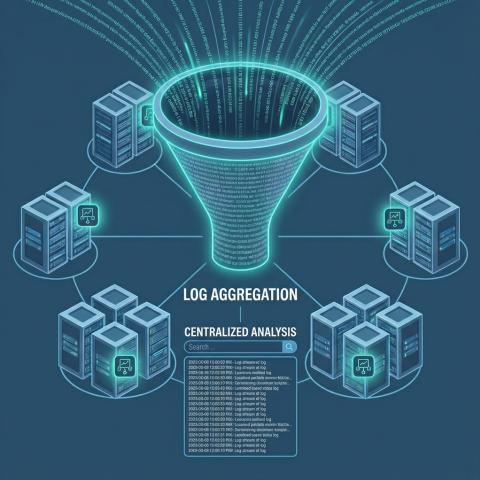
As organizations grow, managing logs from multiple systems becomes increasingly difficult. Centralized logging addresses this challenge by collecting logs from all infrastructure components into a single platform.
Simplified Troubleshooting
IT teams can search and analyze logs from one centralized location instead of checking individual servers manually.
Enhanced Data Correlation
Centralized logging allows businesses to correlate events across systems and identify root causes faster.
Better Scalability
Cloud-based logging solutions can handle large volumes of data efficiently without affecting performance.
Improved Security Monitoring
Security analysts can detect suspicious patterns more effectively when logs from all systems are aggregated together.
Monitoring & Logging in DevOps Environments
Modern DevOps practices rely heavily on automation, continuous integration, and continuous deployment. In such environments, Monitoring & Logging plays a critical role in maintaining system reliability and accelerating development cycles.
DevOps teams use monitoring tools to track application performance after deployments, ensuring that updates do not negatively impact users. Logging platforms help developers identify bugs, debug issues, and analyze application behavior in production environments.
Continuous monitoring also supports faster feedback loops, enabling teams to improve software quality and deliver updates more confidently.
Role of Monitoring and Logging in Cloud Computing
Cloud infrastructure introduces new complexities such as auto-scaling, distributed systems, and containerized workloads. Traditional monitoring approaches are often insufficient for cloud-native architectures.
Cloud monitoring tools provide visibility into virtual machines, containers, microservices, APIs, and serverless functions. They help organizations optimize cloud costs, monitor usage patterns, and ensure service reliability.
Logging systems in cloud environments also support incident response and compliance management by storing detailed operational records.
Challenges in Monitoring and Logging
Although monitoring and logging solutions provide significant benefits, businesses may face several challenges during implementation.
Data Overload
Large infrastructures generate massive amounts of metrics and logs every day. Managing and analyzing this data efficiently can be difficult.
Alert Fatigue
Too many unnecessary alerts can overwhelm IT teams and reduce response effectiveness.
Integration Complexity
Organizations often use multiple tools and platforms, making integration and data synchronization challenging.
Storage Costs
Retaining logs for extended periods may increase storage expenses, especially in cloud environments.
Security Risks
Sensitive information stored in logs must be protected from unauthorized access and breaches.
Best Practices for Effective Monitoring and Logging
Businesses can maximize the value of monitoring and logging solutions by following proven best practices.
Define Clear Monitoring Goals
Organizations should identify critical systems, performance indicators, and business objectives before implementing monitoring strategies.
Use Automated Alerts Wisely
Alerts should focus on important incidents that require immediate attention to avoid unnecessary noise.
Centralize Log Management
Centralized logging platforms improve visibility, simplify troubleshooting, and enhance security analysis.
Monitor User Experience
Tracking real-user interactions helps businesses understand how application performance affects customers.
Implement Retention Policies
Proper log retention policies help balance compliance requirements and storage costs.
Secure Log Data
Encryption, access control, and role-based permissions should be used to protect sensitive log information.
Future Trends in Monitoring and Logging
Technology continues to evolve rapidly, and monitoring solutions are becoming more advanced.
AI-Powered Observability
Artificial intelligence and machine learning are being integrated into monitoring platforms to automate anomaly detection and predictive analytics.
Full Stack Observability
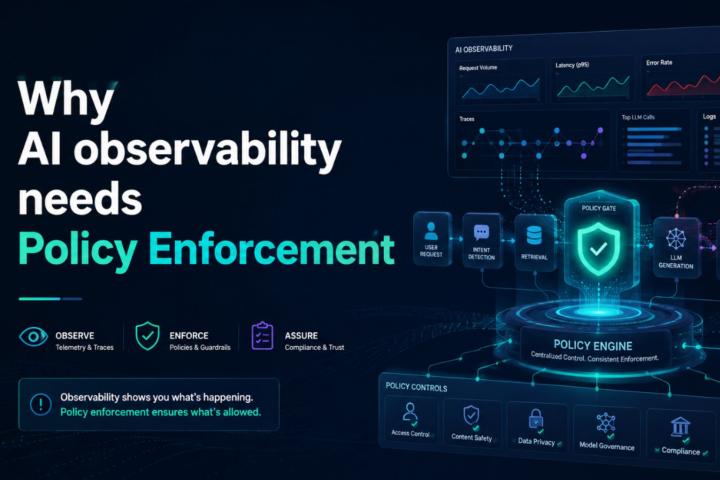
Modern platforms now combine metrics, logs, traces, and user experience data into unified observability solutions.
Kubernetes Monitoring
As container orchestration becomes more common, monitoring tools are increasingly optimized for Kubernetes environments.
Real-Time Analytics
Businesses are adopting real-time analytics to gain faster operational insights and improve decision-making.
Edge Computing Monitoring
With the rise of edge computing and IoT devices, monitoring distributed environments is becoming more important.
Conclusion
Reliable IT infrastructure is essential for business success in today’s digital world. Without proper visibility into systems and applications, organizations risk downtime, security breaches, and poor customer experiences. This is where monitoring and logging solutions provide tremendous value.
By implementing effective monitoring strategies and centralized logging systems, businesses can improve performance, strengthen security, reduce operational risks, and respond to incidents faster. From cloud infrastructure and DevOps pipelines to enterprise applications and cybersecurity operations, monitoring and logging tools have become a fundamental part of modern IT management.
As technologies continue to evolve, organizations that invest in advanced observability and analytics solutions will be better prepared to maintain scalable, secure, and high-performing digital environments.