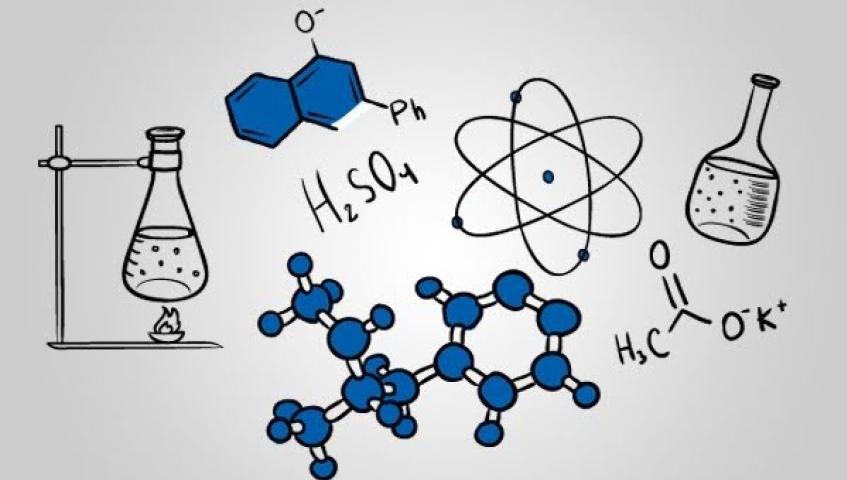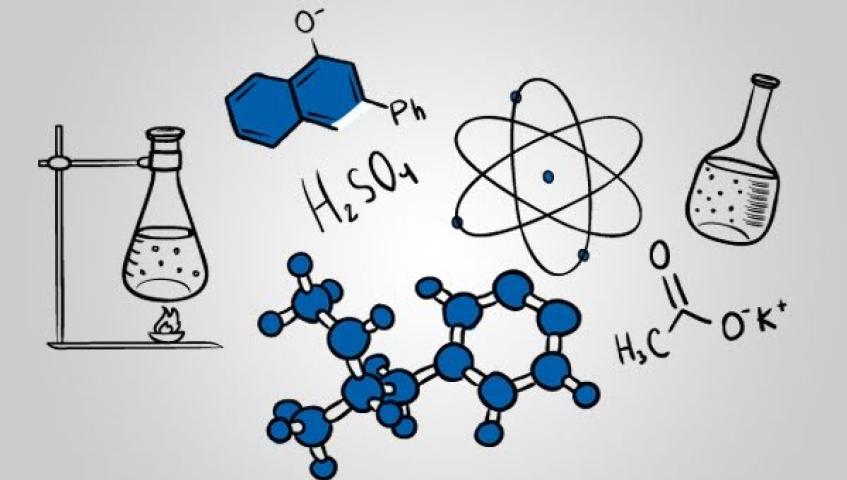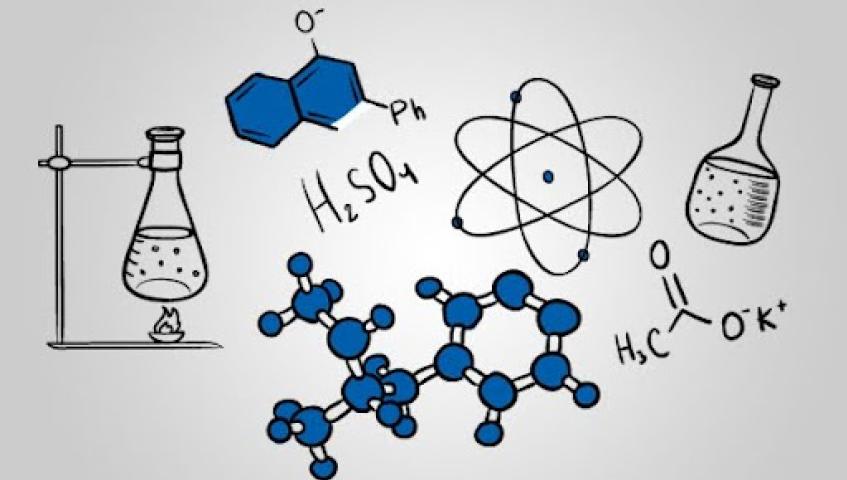

Chemistry is often called the “central science” because it bridges physics, biology, and environmental sciences, providing a foundational understanding of matter, reactions, and molecular interactions. For students pursuing chemistry degrees or related programs, mastering theoretical concepts is only part of the challenge. Applying these concepts through assignments, lab reports, and research projects often proves more demanding. Many students seek chemistry assignment help to enhance their understanding, manage complex calculations, and meet rigorous academic deadlines efficiently.
This article explores the challenges of chemistry assignments, effective strategies for tackling them, and actionable insights for achieving academic success in this fascinating but demanding field.
The Scope and Importance of Chemistry Education
Chemistry encompasses the study of matter, its properties, and the transformations it undergoes. It is divided into multiple branches:
- Organic Chemistry: The study of carbon-containing compounds and their reactions.
- Inorganic Chemistry: Focuses on minerals, metals, and non-carbon-based compounds.
- Physical Chemistry: Combines physics and chemistry to study energy changes, reaction rates, and molecular behavior.
- Analytical Chemistry: Emphasizes techniques to identify and quantify substances, such as spectroscopy and chromatography.
- Biochemistry: Examines chemical processes within living organisms.
Assignments often require students to integrate theoretical knowledge with practical lab work, chemical calculations, and critical analysis, making them complex and time-consuming.
Challenges Students Face in Chemistry Assignments
Despite its importance, chemistry coursework presents several challenges:
1. Complex Theoretical Concepts
Topics such as chemical thermodynamics, quantum chemistry, and molecular orbital theory can be abstract and difficult to grasp without proper guidance.
2. Problem-Solving and Calculations
Stoichiometry, chemical kinetics, and equilibrium problems often involve multi-step calculations, requiring precision and attention to detail. Small errors can lead to incorrect results, frustrating students.
3. Laboratory Experiments
Chemistry assignments often involve experimental work where safety, accuracy, and observation are critical. Students may struggle with techniques such as titrations, distillation, or spectroscopic analysis.
4. Time Constraints
Balancing theoretical studies, lab work, and multiple assignments simultaneously can overwhelm students, particularly when assignments require detailed reports and calculations.
5. Keeping Up with Modern Chemistry
Emerging fields such as nanochemistry, green chemistry, and computational chemistry introduce new methods and concepts that students may not be familiar with, complicating assignment tasks.
How Chemistry Assignment Help Supports Student Success
Professional chemistry assignment help offers structured support, ensuring students not only complete assignments but also develop a deeper understanding of complex topics.
1. Simplifying Complex Concepts
Experts break down challenging topics like organic reaction mechanisms, equilibrium constants, or electrochemistry into simple, digestible explanations.
2. Step-by-Step Guidance
Students receive assistance in approaching assignments logically: understanding the question, planning experiments, performing calculations, and writing detailed reports.
3. Practical Calculation Assistance
Professional help ensures accurate stoichiometric calculations, titration results, and thermodynamic evaluations, reducing errors and confusion.
4. Research and Referencing Support
Assignments often require credible sources. Experts guide students in citing peer-reviewed journals, textbooks, and official chemical databases to maintain academic integrity.
5. Time Management Strategies
Guidance includes prioritizing tasks, dividing assignments into manageable sections, and maintaining a consistent workflow to meet deadlines efficiently.
Practical Strategies for Completing Chemistry Assignments
Students can adopt several strategies to tackle assignments effectively and improve comprehension:
1. Understand Core Principles
A strong grasp of atomic structure, chemical bonding, and reaction mechanisms is essential. Foundational knowledge helps in solving both theoretical and practical problems efficiently.
2. Regular Practice of Calculations
Assignments involving chemical equations, thermodynamics, or kinetics improve with repetitive practice. Use practice exercises, past papers, and online problem-solving platforms to build confidence.
3. Organize Lab Work Methodically
Lab assignments require planning: documenting objectives, preparing reagents, conducting experiments carefully, and recording observations systematically.
4. Use Credible Resources
Rely on peer-reviewed journals, reputable chemistry databases like PubChem, and standard textbooks to gather accurate information. Avoid unverified online sources that may provide outdated or incorrect data.
5. Leverage Technology and Tools
Software like ChemDraw, MATLAB, and Avogadro can aid in drawing molecular structures, performing chemical simulations, and visualizing reactions. These tools streamline complex assignments.
Geographical Considerations in Chemistry Assignments
Chemistry curricula and assignment expectations may vary based on region:
- United States: Emphasis on laboratory safety, environmental chemistry, and research-based assignments.
- United Kingdom: Strong focus on analytical chemistry, organic synthesis, and applied chemical research.
- Asia-Pacific: Increasing focus on industrial applications, computational chemistry, and green chemistry practices.
Tailoring assignments to local academic standards ensures relevance, compliance, and higher performance.
Emerging Trends in Chemistry That Impact Assignments
Keeping pace with modern chemistry enhances assignment quality:
- Green Chemistry: Emphasizes sustainable practices, reducing hazardous substances, and eco-friendly synthesis.
- Nanochemistry: Studies chemical properties at the nanoscale, often requiring molecular simulations and advanced calculations.
- Computational Chemistry: Uses software to model molecular behavior, reaction pathways, and chemical kinetics.
- Biochemical Applications: Incorporating biochemistry and molecular biology principles is increasingly common in advanced assignments.
Maintaining Academic Integrity in Chemistry Assignments
Upholding ethical standards is essential:
- Originality: Avoid plagiarism and ensure all calculations, explanations, and reports are your own.
- Data Accuracy: Report experimental results truthfully and verify calculations.
- Safe Lab Practices: Follow institutional guidelines for chemical handling, disposal, and protective measures.
- Proper Referencing: Cite sources correctly using recognized citation >
Benefits of Combining Expert Help with Independent Learning
While chemistry assignment help offers guidance, combining it with personal study yields maximum results:
- Deepened Knowledge: Expert explanations reinforce self-study, improving comprehension.
- Enhanced Problem-Solving: Practical guidance strengthens analytical and calculation skills.
- Confidence in Execution: Understanding both theory and practice reduces anxiety in completing assignments.
- Career Preparation: Exposure to modern tools, research methods, and laboratory techniques prepares students for professional roles in chemistry, pharmaceuticals, and research.
Frequently Asked Questions About Chemistry Assignments
Q1: Why are chemistry assignments considered challenging?
Chemistry assignments involve theoretical concepts, complex calculations, and laboratory work, requiring both critical thinking and practical skills.
Q2: Can professional help improve my chemical calculations?
Yes. Experts provide step-by-step guidance on stoichiometry, thermodynamics, kinetics, and other calculations, enhancing accuracy and comprehension.
Q3: How do I stay updated on modern chemistry for assignments?
Follow reputable journals such as the Journal of the American Chemical Society (JACS), Royal Society of Chemistry publications, and online educational platforms.
Q4: Is it ethical to seek chemistry assignment help?
Using expert guidance to understand concepts is ethical. Assignments should be completed independently while using assistance as a learning aid.
Q5: What tools can aid in chemistry assignments?
ChemDraw, MATLAB, Avogadro, and online chemistry databases help in molecular modeling, simulations, and data visualization, making assignments more manageable.
Conclusion
Chemistry assignments are integral to mastering theoretical knowledge, laboratory techniques, and practical problem-solving skills. Challenges such as complex calculations, abstract concepts, and lab experiments often require additional guidance, making chemistry assignment writing service online a valuable resource.
By combining expert assistance with structured self-study, consistent practice, ethical conduct, and awareness of emerging trends, students can excel in chemistry assignments while preparing for successful careers in research, pharmaceuticals, environmental science, and industrial chemistry. Mastering these assignments not only ensures academic success but also equips students with the practical and analytical skills essential for thriving in the scientific community.