The demand for seamless digital payment solutions is rapidly reshaping the financial landscape. Businesses and entrepreneurs are increasingly looking to develop reliable peer-to-peer (P2P) payment platforms that offer convenience, speed, and security. Among these, Cash App stands out as a powerful model for success, inspiring many to explore Cash App clone development as a way to enter the fintech space.
However, creating an app like Cash App involves more than just duplicating features — it requires a strategic approach to design, scalability, compliance, and user experience. For startups or established companies partnering with an on demand app development company, understanding the development process is crucial to delivering a product that meets market demands and builds user trust.
This article outlines 7 essential steps to build a scalable P2P payment app based on the Cash App model, helping you navigate the complexities of development and position your app for long-term growth.
Understanding the Basics of Cash App Clone Development
Before diving into the development process, it’s important to understand what makes a Cash App clone successful. At its core, a P2P payment app allows users to transfer money instantly to friends, family, or merchants using a simple interface. Features like instant payments, account linking, transaction history, and security measures are critical.
Yet, the real challenge lies in scalability — your app should handle growing user bases and increased transaction volumes without compromising performance or security. This means your technical architecture and development choices should prioritize robustness and flexibility from day one.
Step 1: Market Research and Defining Your Target Audience
Every successful app starts with understanding who it’s for and what problems it solves. In the realm of P2P payments, user expectations vary across regions and demographics. Conduct thorough market research to identify:
- Which user pain points are currently unmet by existing apps
- What features are most demanded in your target region or industry?
- What regulatory and compliance requirements apply?
This insight will help tailor your Cash App clone with features that resonate with your audience and meet local legal standards. Whether you’re targeting millennials looking for fast peer payments or small businesses needing easy invoice payments, clarity here is key.
Step 2: Planning Features and Functionalities
Once the target audience is defined, map out the features your app must have. While cloning Cash App, consider core elements like:
- User registration and profile management
- Secure bank account and card linking
- Instant peer-to-peer money transfers
- Transaction history and notifications
- Integration with debit/credit cards and bank accounts
- Wallet for storing funds
- QR code payment option
- Bill splitting and request money features
- Customer support
Apart from features, think about differentiators that add value or improve user experience. For example, adding budgeting tools, rewards, or multi-currency support can attract specific user segments.
Step 3: Choosing the Right Technology Stack
The foundation of a scalable P2P payment app lies in its technology stack. Your choices will impact speed, security, and scalability. Common technologies used in Cash App clone development include:
- Frontend: React Native or Flutter for cross-platform mobile app development
- Backend: Node.js, Python (Django/Flask), or Java for reliable server-side processing
- Database: PostgreSQL, MongoDB, or MySQL for efficient data management
- Payment Gateway Integration: Stripe, PayPal, or custom APIs for handling transactions securely
- Cloud Services: AWS, Google Cloud, or Azure for scalable infrastructure
- Security Tools: SSL/TLS, two-factor authentication (2FA), encryption standards like AES-256
Collaborating with an experienced on demand app development company can help select the best technologies that align with your budget and long-term growth plans.
Step 4: Designing an Intuitive User Interface (UI) and User Experience (UX)
User experience is often the difference between an app people love and one they abandon. A P2P payment app needs to be intuitive, quick, and reassuring, especially since it involves sensitive financial data.
Focus on:
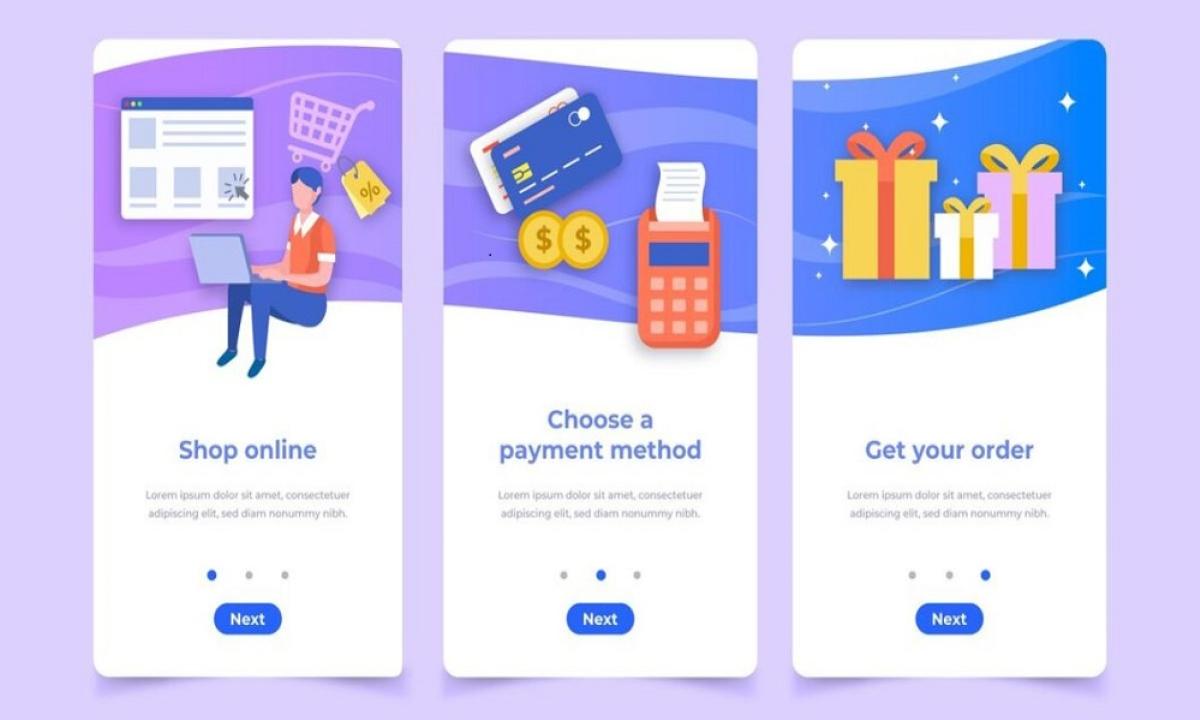
- Simple onboarding processes with minimal steps
- Clear and consistent navigation
- Visual cues and confirmations for transactions
- Easy access to support and help resources
- Accessibility features for wider reach
Good UI/UX design reduces friction, builds trust, and encourages users to make the app part of their daily financial routine.
Step 5: Ensuring Security and Compliance
Security is non-negotiable when it comes to handling money. Users must feel confident their funds and personal information are safe. Key security practices in Cash App clone development include:
- End-to-end encryption for all transactions
- Secure user authentication (passwords, biometrics, 2FA)
- PCI-DSS compliance for handling card payments
- GDPR or other relevant data privacy regulations adherence
- Real-time fraud detection and prevention systems
Regular security audits and updates are essential to protect both users and your platform from emerging threats.
Step 6: Rigorous Testing and Quality Assurance
Launching an app without thorough testing can lead to bugs, crashes, and security loopholes — all of which can damage your reputation and user trust.
Testing should cover:
- Functional testing to ensure all features work as intended
- Performance testing to verify scalability under heavy load
- Security testing to identify vulnerabilities
- Usability testing to catch UX issues
- Compatibility testing across devices and OS versions
A disciplined QA process helps catch issues early and ensures a smooth user experience at launch.
Step 7: Deployment and Continuous Improvement
Once your Cash App clone is developed and tested, deployment to app stores and cloud servers follows. But this is just the beginning. The fintech landscape evolves quickly, so continuous monitoring and improvement are vital.
Collect user feedback and app analytics to understand behavior and pain points. Regular updates addressing bugs, adding features, or enhancing security will keep your app competitive and trusted.
Partnering with an on demand app development company for ongoing support can be invaluable in maintaining and scaling your platform.
Conclusion
Building a scalable P2P payment app inspired by Cash App is a challenging but rewarding endeavor. By focusing on thorough market research, careful feature planning, the right technology stack, intuitive design, strong security, rigorous testing, and continuous improvement, you can create a platform that meets user expectations and stands the test of time.
Whether you’re a startup or an established business exploring Cash App clone development, these 7 steps provide a clear roadmap to guide your project from concept to launch and beyond.
Taking a thoughtful and strategic approach ensures your app not only enters the market but grows into a trusted financial tool for users.