Introduction
The refrigerator manufacturing process is a blend of advanced engineering, automation, and precision testing. In today’s fast-paced consumer market, refrigerator manufacturers need to deliver products that are energy-efficient, durable, and reliable, while keeping up with rising demand. With modern automation and testing solutions, companies like Delta Stark Engineering are revolutionising how refrigerators are built in India.
Key Stages of the Refrigerator Manufacturing Process
1. Design and Prototyping
Every refrigerator begins with product design. Engineers focus on:
Energy efficiency (star ratings, insulation design)
- Ergonomics and aesthetics
- Cooling performance optimisation
- Computer-aided design (CAD) tools and 3D prototypes help in creating efficient and consumer-friendly models.
2. Component Manufacturing
The next step involves building the major parts:
- Compressor: The heart of the cooling system.
- Evaporator and Condenser Coils: For heat exchange.
- Cabinet & Insulation: Made using advanced moulding systems.
- Electrical Components: Control panels, sensors, and wiring.
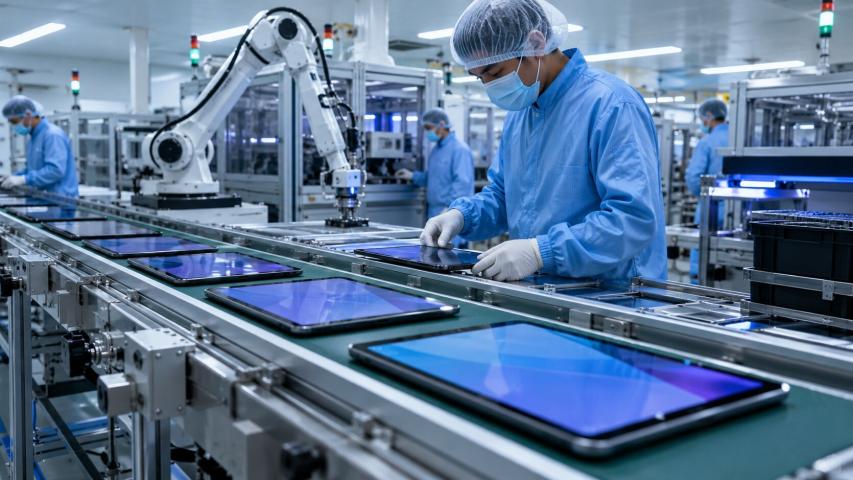
3. Assembly Line Automation
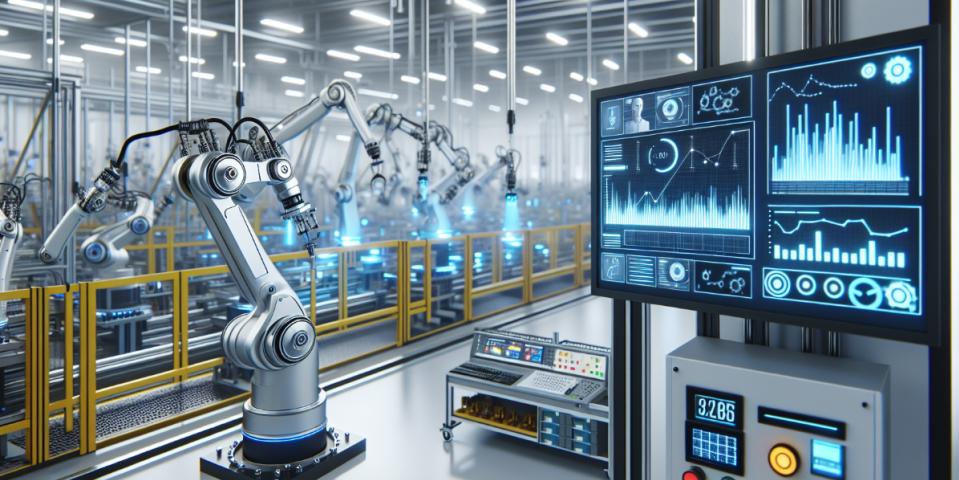
This is where automation plays a critical role. Using robotic arms and pick-and-place systems, manufacturers streamline:
- Cabinet and door assembly
- Placement of coils and compressors
- Wiring and electrical integration
Automation ensures speed, accuracy, and consistency in production.
4. Refrigerator Testing and Quality Control
Every unit undergoes rigorous testing:
- Cooling Performance Test – Ensures temperature uniformity.
- Energy Efficiency Test – Validates star ratings.
- Environmental Test Chambers – Simulate real-world conditions like heat, humidity, and voltage fluctuations.
- Noise and Vibration Test – Checks compressor and fan performance.
Delta Stark’s washing machine and refrigerator test equipment play a vital role in guaranteeing product reliability.
5. Painting and Finishing
The outer cabinet and doors are coated with durable paints to resist rust, scratches, and stains. Automated spray painting systems ensure a smooth and uniform finish.
6. Packaging and Distribution
Finally, refrigerators are packaged securely for transportation. Automated conveyor and packaging robots streamline the process, reducing damage risks and ensuring efficient handling.
Importance of Automation in Refrigerator Manufacturing
The use of robots and testing equipment improves:
- Productivity: Faster cycle times with reduced labour dependency.
- Consistency: Uniform assembly and testing ensure reliability.
- Cost Savings: Reduced rework and minimal defects lower production costs.
- Safety: Minimises risks to human workers in handling heavy components.
The Role of Delta Stark Engineering
At Delta Stark Engineering, we support the refrigerator manufacturing process with world-class:
- Injection moulding robots for cabinet and component production
- Pick and place systems for assembly automation
- Environmental and psychrometric chambers for testing
- Material handling conveyors for streamlined operations
With precision automation and durable testing solutions, we help refrigerator manufacturers achieve global quality standards while improving efficiency and profitability.
Conclusion
The refrigerator manufacturing process has evolved from manual assembly to automation-driven smart production. With increasing competition, only manufacturers who invest in modern robotics and testing systems can deliver energy-efficient, reliable, and high-quality refrigerators.
By partnering with Delta Stark Engineering, manufacturers in India can stay ahead with automation excellence, robust testing equipment, and end-to-end production support.