The manufacturing industry is rapidly evolving with the integration of advanced technologies, and AI in manufacturing is at the forefront of this transformation. Businesses are leveraging artificial intelligence to improve efficiency, reduce operational costs, and enhance product quality. As global competition increases, manufacturers are turning to AI-driven solutions to stay competitive and meet changing customer demands.
What is AI in Manufacturing
AI in manufacturing refers to the use of machine learning, computer vision, and data analytics to automate and optimize production processes. These technologies enable manufacturers to analyze large volumes of data, identify patterns, and make real-time decisions. By integrating AI into operations, companies can streamline workflows and achieve higher productivity with minimal human intervention.
Key Use Cases of AI in Manufacturing
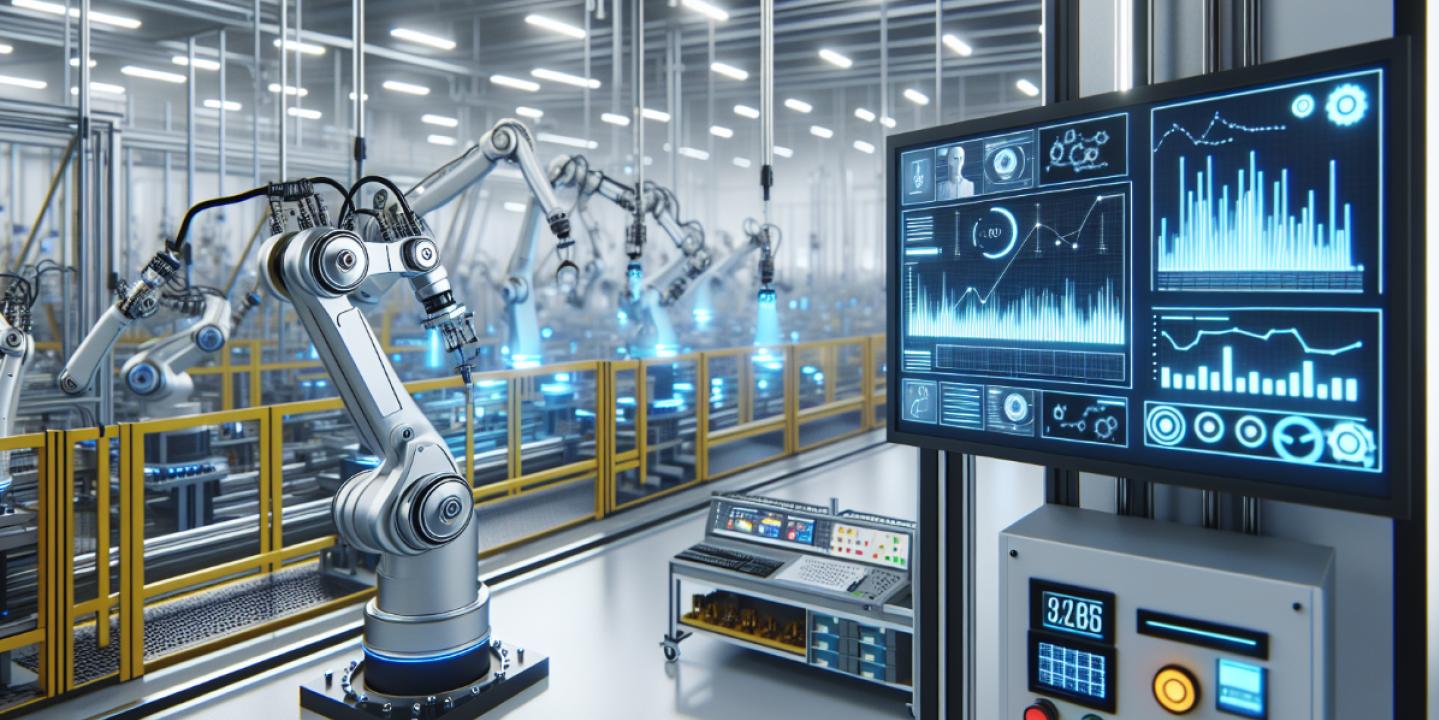
One of the most significant applications of AI in manufacturing is predictive maintenance, where AI systems analyze machine data to detect potential failures before they occur, reducing downtime. Another major use case is quality control, where computer vision systems identify defects with high precision, ensuring consistent product quality. Additionally, AI plays a crucial role in supply chain optimization by improving demand forecasting and inventory management. Robotics powered by AI further enhances automation, allowing manufacturers to perform complex tasks with speed and accuracy.
Benefits of AI in Manufacturing
The adoption of AI in manufacturing offers numerous benefits, including improved operational efficiency and reduced costs. AI-driven automation minimizes manual labor and accelerates production processes. It also enhances decision-making by providing real-time insights and predictive analytics. Furthermore, AI helps reduce downtime through proactive maintenance and supports sustainability by optimizing resource usage and minimizing waste.
Challenges in Implementing AI in Manufacturing
Despite its advantages, implementing AI in manufacturing comes with challenges. High initial investment and integration complexities can slow down adoption for some businesses. Additionally, there is often a lack of skilled professionals who can manage AI systems effectively. Data security and privacy concerns also need to be addressed to ensure safe and reliable operations.
Future Trends of AI in Manufacturing
The future of AI in manufacturing is driven by innovations such as smart factories, digital twins, and advanced robotics. Manufacturers are increasingly adopting AI-powered IoT systems to create connected and intelligent production environments. As technology continues to evolve, AI will play an even greater role in enabling real-time decision-making, improving supply chain resilience, and driving industrial innovation.
Conclusion
In conclusion, AI in manufacturing is transforming the industry by enabling smarter, faster, and more efficient operations. Companies that embrace AI technologies can gain a competitive edge, improve product quality, and achieve long-term growth. As adoption continues to rise, AI will become an essential component of modern manufacturing strategies.