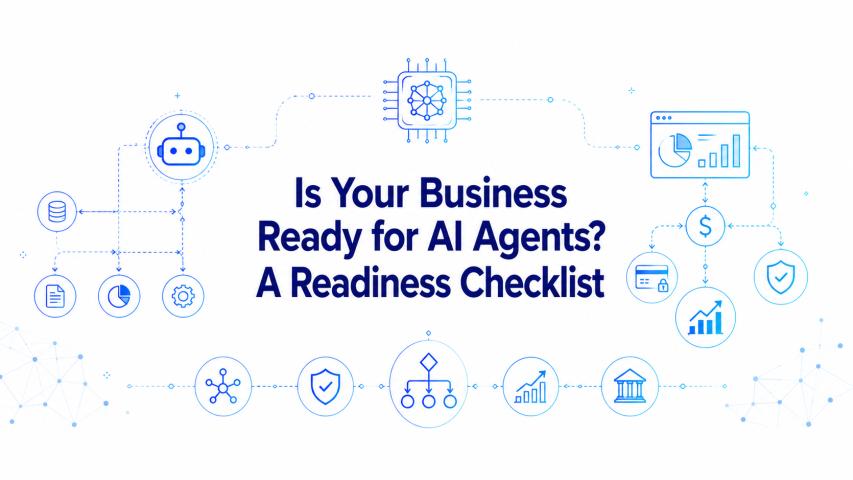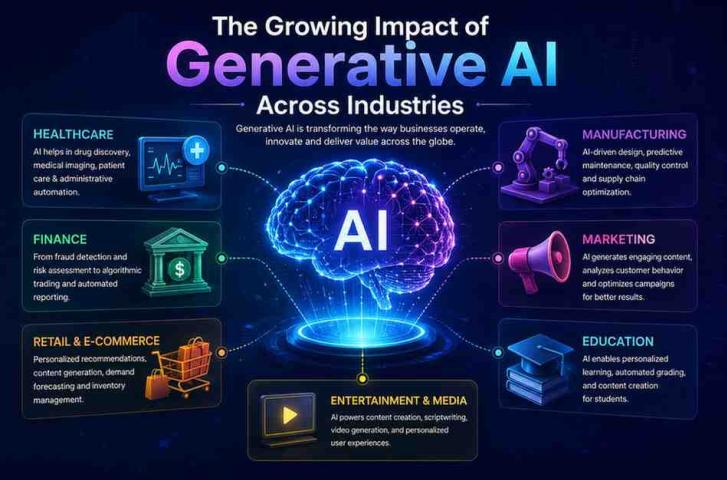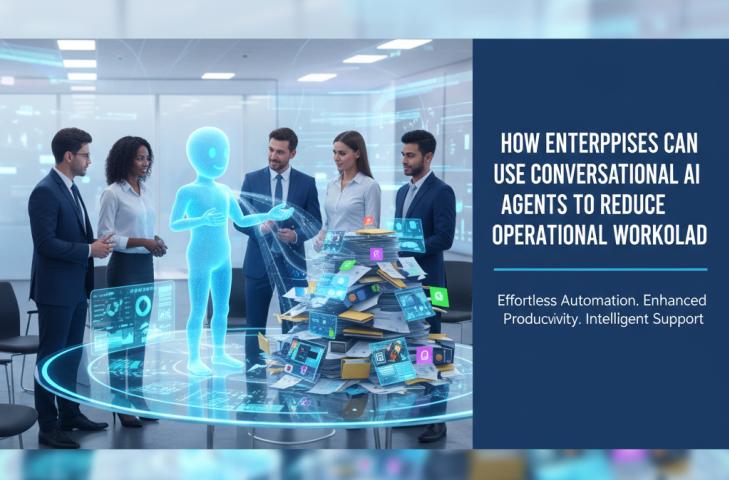
Businesses are changing the way they work. One major reason is the rise of AI agents. These are smart systems that can perform tasks, make decisions, and learn from data. They are becoming a key part of daily operations across industries.
AI agents are not just tools. They act more like digital assistants that can handle complex workflows. This shift is helping businesses improve speed, accuracy, and efficiency.
Let’s break down how AI agents are making an impact.
What Are AI Agents?
AI agents are software programs designed to perform tasks with minimal human input. They can analyze data, respond to situations, and take actions based on predefined goals.
For example, an AI agent can manage customer queries, track inventory, or monitor system performance. It works continuously and adapts based on new information.
This ability makes AI agents highly valuable in business environments.
Automating Repetitive Tasks
Many business operations include repetitive work. Tasks like data entry, report generation, and email responses take time and effort.
AI agents can handle these tasks quickly. They reduce the need for manual work and free up employees to focus on higher-value activities.
This leads to better productivity and less operational strain.
Enhancing Decision-Making
Businesses rely on data to make decisions. AI agents process large amounts of data in real time. They identify patterns and provide insights that may not be visible through manual analysis.
For example, an AI agent can track sales trends and suggest inventory changes. It can also analyze customer behavior and recommend improvements.
This helps businesses make informed and timely decisions.
Improving Customer Experience
Customer expectations are higher than ever. Quick responses and personalized interactions are now essential.
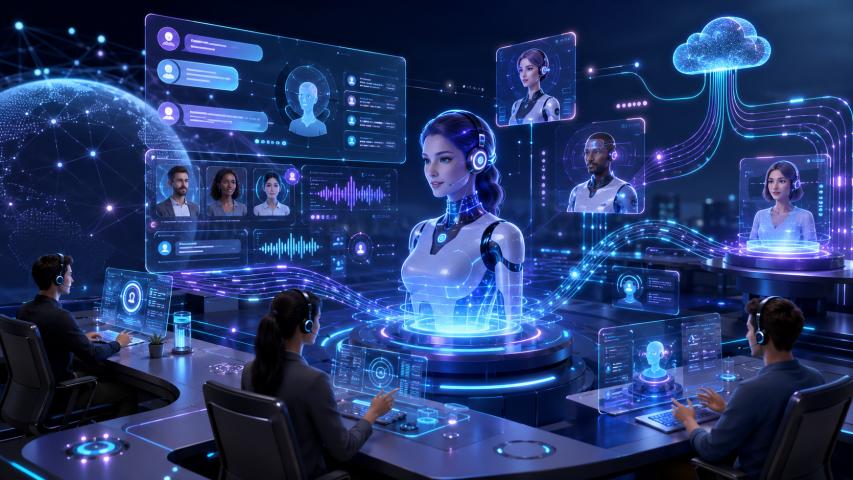
AI agents support customer service through chatbots and virtual assistants. They can answer questions, resolve issues, and guide users through processes.
These systems are available at all times. This ensures that customers receive support without delays.
Streamlining Operations
AI agents connect different parts of a business. They can integrate with systems like CRM, ERP, and analytics tools.
This creates a smooth flow of information across departments. For instance, sales data can automatically update inventory systems. Operations become more coordinated and efficient.
Fewer errors occur when systems communicate effectively.
Supporting Scalability
As businesses grow, operations become more complex. Managing this growth can be challenging.
AI agents help by handling increased workloads without a drop in performance. They can scale operations without the need for large increases in manpower.
This makes expansion more manageable and cost-effective.
Reducing Errors and Risks
Human errors can affect business outcomes. Mistakes in data handling or reporting can lead to serious issues.
AI agents follow structured processes and reduce the chances of errors. They also monitor systems and detect unusual patterns.
This helps businesses identify risks early and take corrective action.
The Human Role in AI-Driven Operations
AI agents are powerful, yet human involvement remains important. People bring creativity, strategic thinking, and emotional understanding.
AI handles routine and data-heavy tasks. Humans focus on planning, innovation, and relationship building.
This balance creates a strong operational model.
In a Nutshell
AI agents are transforming business operations by improving efficiency, accuracy, and decision-making. They automate routine work and support smarter processes across departments.
Businesses that adopt these systems can respond faster and operate more effectively. Companies like Tech.us highlight how AI-driven solutions are shaping modern operations and driving future growth.