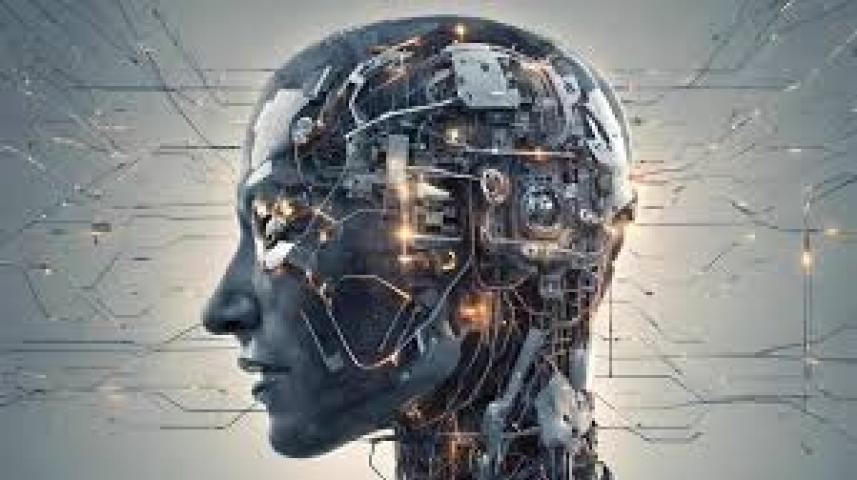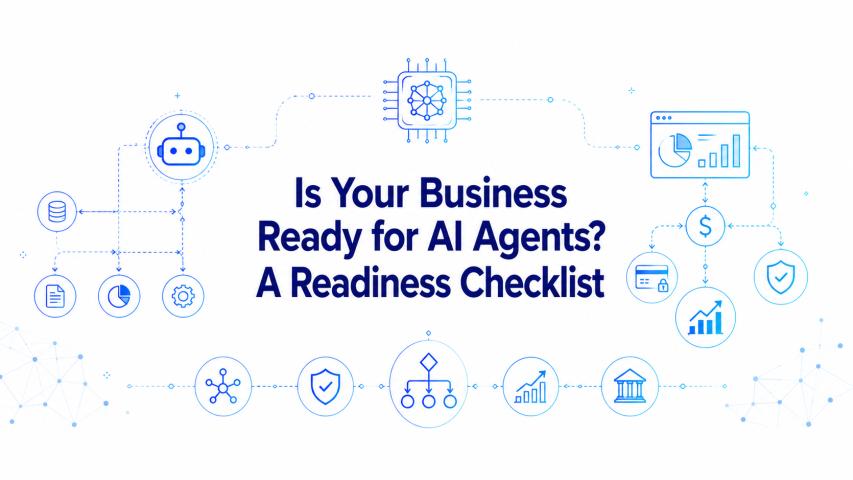
Artificial Intelligence (AI) is advancing at a breakneck pace, and one of the most groundbreaking developments we've seen lately is the emergence of AI agents. These smart digital beings are more than just tools; they act as decision-makers, problem-solvers, and virtual assistants that can tackle complex tasks all on their own. As we head into 2025, the development of AI agents is becoming a key priority for businesses looking to harness automation, intelligence, and innovation.
In this blog, we’ll dive into what AI agent development is all about, how it operates, and why it’s becoming an essential technology for the future.
What is AI Agent Development?
AI agent development is the process of building intelligent systems that can sense their surroundings, analyze information, make decisions, and take actions to reach specific objectives — all while relying as little as possible on human input.
Unlike traditional AI systems that need direct commands or limited data sets, AI agents have the ability to learn, adapt, and grow based on real-time feedback and shifting environments. They leverage sophisticated algorithms, machine learning models, and natural language processing (NLP) to engage intelligently with users and other systems.
Think of them as your savvy digital colleagues — they can handle tasks like automating workflows, responding to customer inquiries, optimizing logistics, analyzing vast amounts of data, or even managing financial portfolios.
How Do AI Agents Work?
AI agents operate by blending machine learning, deep learning, and reinforcement learning techniques. Their structure usually consists of:
- Perception Module – This component allows the agent to sense and interpret data from its surroundings, whether it’s text, voice, images, or user behavior.
- Reasoning Engine – This is the agent's brain, where it processes information and determines the best next action.
- Learning Model – This feature helps the agent enhance its performance over time by learning from outcomes and new information.
- Action Module – This part carries out the final output, whether that means sending a response, triggering a process, or completing a real-world task.
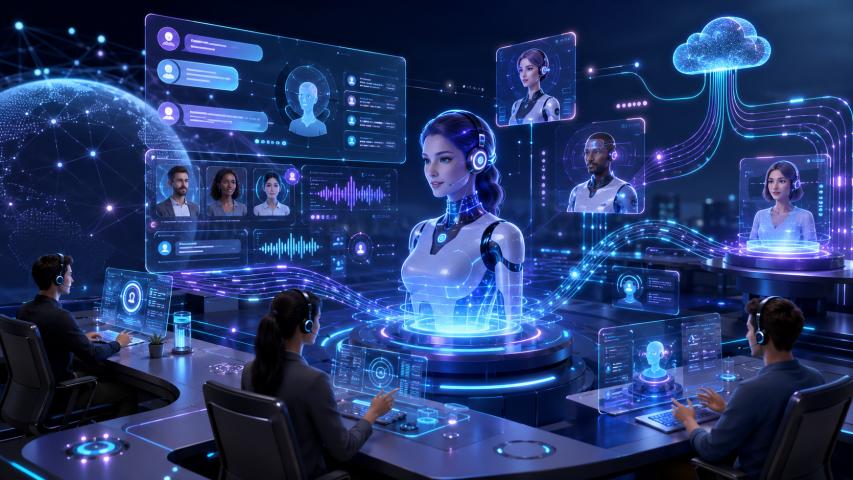
For instance, an AI customer service agent can analyze a user’s question, grasp the intent using natural language processing (NLP), pull the most relevant information from a knowledge base, and respond instantly—all while learning to improve its future replies.
Types of AI Agents
AI agents come in various forms based on their purpose and environment. Some common types include:
- Reactive Agents – These agents act based on predefined rules and don’t learn from past experiences.
- Cognitive Agents – They can understand complex patterns, learn from data, and make predictive decisions.
- Conversational Agents – These are chatbots and virtual assistants that communicate using natural language, like Siri, Alexa, or GPT-powered bots.
- Autonomous Agents – These are fully self-learning systems capable of making independent decisions, often used in robotics, self-driving cars, and finance automation.
- Collaborative Agents – They work alongside humans or other agents to achieve shared goals.
Each type plays a vital role in enhancing automation, efficiency, and intelligence across various industries.
Why AI Agent Development is Essential in 2025
As we step into 2025, the global economy is more interconnected, data-driven, and fast-paced than ever. Businesses are on the lookout for ways to cut costs, enhance customer engagement, and scale their operations efficiently — and that’s where AI agents come into play.
Here’s why developing AI agents is more crucial than ever:
1. Smarter Business Automation
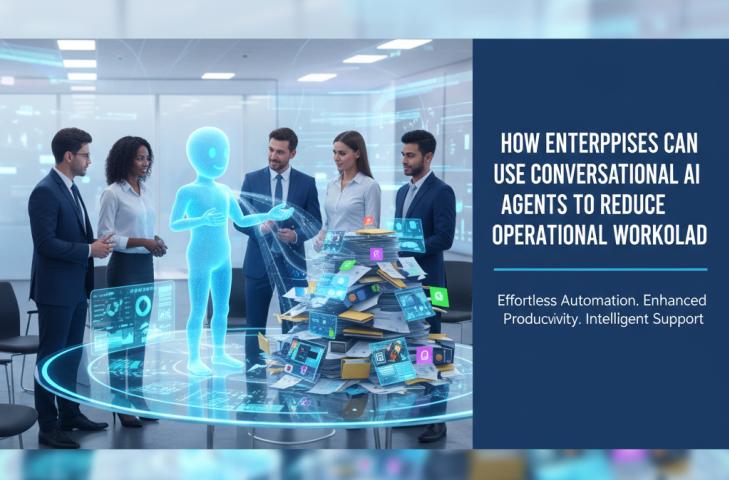
AI agents excel at handling repetitive tasks like data entry, sorting emails, and managing schedules, which allows human teams to focus on more strategic initiatives. This not only speeds up operations but also helps lower overhead costs.
2. Enhanced Customer Experience
With AI-powered agents, companies can offer round-the-clock support through chatbots or virtual assistants, delivering personalized, real-time responses that boost user satisfaction and loyalty.
3. Predictive Decision-Making
By sifting through massive amounts of data, AI agents can forecast trends, customer behaviors, and market shifts. This enables businesses to make more informed and proactive decisions.
4. Scalability and Adaptability
AI agents can effortlessly scale alongside business growth and adjust to new environments or market dynamics — a flexibility that traditional automation tools often lack.
5. Cross-Industry Applications
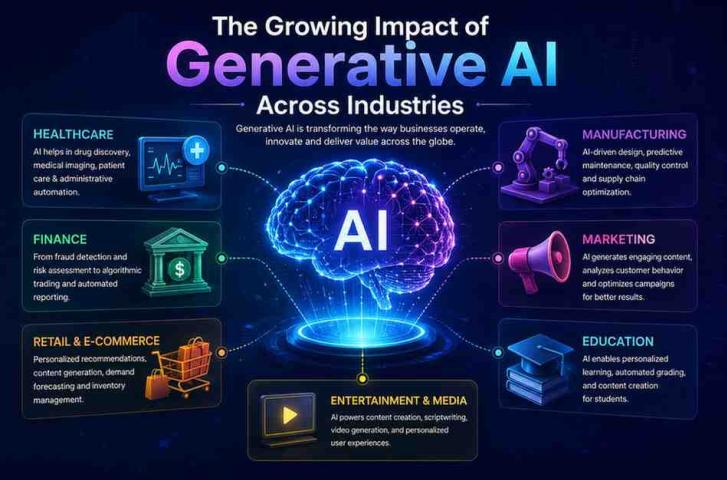
From healthcare and finance to logistics and education, AI agents are transforming industries by streamlining workflows, minimizing human error, and driving profitability.
The Future of AI Agents
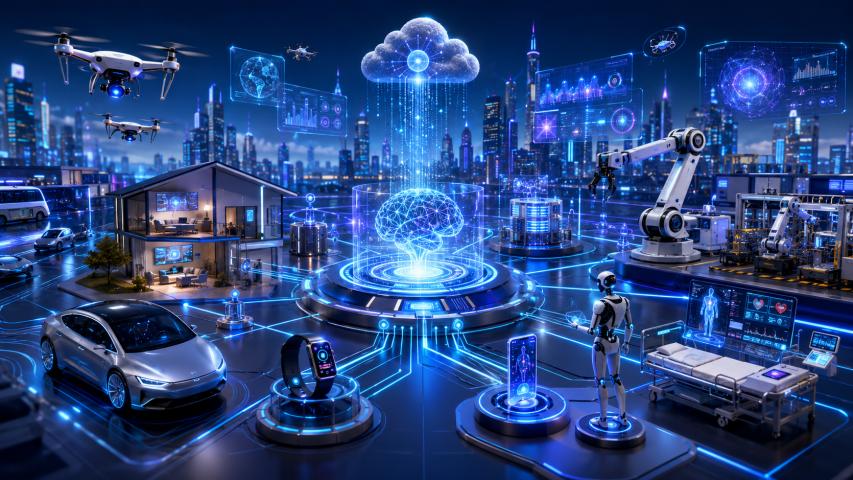
As technology continues to evolve, AI agents are set to become increasingly autonomous, aware of their surroundings, and capable of communicating in a more human-like manner. By combining generative AI, collaborative multi-agent systems, and self-learning AI technologies, we’re unlocking a world of possibilities — from managing smart cities to overseeing entire business operations with minimal oversight.
Companies that begin investing in the development of AI agents now will gain a significant advantage in the future. They won’t just automate processes; they’ll also innovate intelligently, fueling remarkable growth.
Conclusion
Developing AI agents isn’t merely a passing tech trend — it’s the cornerstone of the upcoming digital revolution. By 2025, as businesses work hard to remain competitive, the ability to implement autonomous, intelligent, and adaptable AI systems will set apart the leaders of tomorrow.
If you’re eager to harness the power of AI agents for your business transformation, Technoloader provides comprehensive AI development solutions to help you innovate with confidence and intelligence. Embrace the future — with smarter systems that think, learn, and act on your behalf.