
Hotel occupancy is no longer driven solely by location or amenities — it’s driven by visibility. Travelers now research, compare, and book hotels entirely online, meaning even the most luxurious properties can go unnoticed without a strong digital presence. In a market where search results dictate bookings, SEO has become the hospitality industry’s quiet advantage.
Partnering with a Hotel SEO Agency empowers hotels to rise above local competition, attract high-intent guests, and maintain consistent occupancy year-round. It’s not just about ranking higher; it’s about reaching travelers at the exact moment they’re ready to book.
Why SEO Defines Hotel Success in 2025
Modern travelers rely heavily on Google when searching for accommodations. They expect instant access to availability, reviews, and pricing. A well-optimized website ensures your property appears exactly when and where potential guests are looking.
Online Visibility Equals Direct Bookings
Strong SEO reduces dependency on third-party platforms like OTAs (Online Travel Agencies). When hotels appear prominently in search results, guests are more likely to book directly, avoiding commission fees and maintaining customer relationships.
Competing in the Local Search Landscape
For boutique hotels or regional chains, local SEO determines visibility in map packs and “near me” searches. Localized optimization ensures that nearby travelers find your property faster than competitors’.
Consistent Demand Through Organic Reach
Unlike paid ads, SEO drives sustainable, long-term traffic. Once established, your rankings continue attracting visitors without ongoing advertising costs — a crucial advantage for maintaining occupancy during off-seasons.
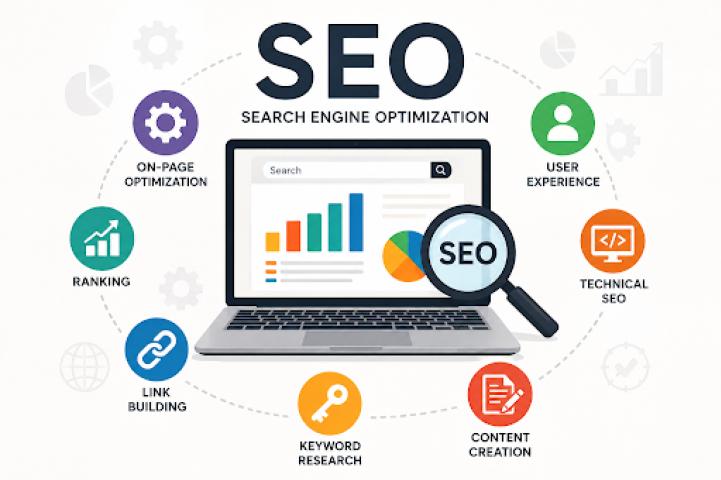
Core Components of Hotel SEO
SEO for hotels involves a blend of technical precision, content relevance, and brand authority. Each component works together to capture and convert organic traffic.
1. Keyword Optimization for Travel Intent
Keywords reflect how guests search for accommodations — for example, “best hotels in Oxford” or “family-friendly resorts near me.” By targeting specific intent-based phrases, hotels can attract users who are already planning a stay.
Content should align with searcher intent, offering location guides, amenities lists, and booking incentives to meet expectations at each stage of the decision process.
2. Mobile Optimization
With the majority of bookings coming from mobile devices, page speed, design responsiveness, and easy navigation are essential. Guests abandon sites that take more than a few seconds to load or that make booking difficult.
Mobile-first indexing by Google prioritizes sites offering seamless mobile experiences, rewarding them with better rankings.
3. Technical SEO
Search engines must be able to read, crawl, and index your website efficiently. This involves optimizing site architecture, metadata, structured data, and URL hierarchy.
Proper schema markup ensures your hotel’s rates, reviews, and room availability appear directly in search results, encouraging clicks and reservations.
4. Local SEO for Hotels
For hospitality, local SEO carries massive weight. Claiming and optimizing your Google Business Profile ensures visibility on Google Maps and local search queries.
Key actions include:
Adding accurate NAP (Name, Address, Phone) details across all listings.
Uploading high-quality photos of your property.
Encouraging guest reviews and responding promptly to feedback.
Updating seasonal offers or amenities to maintain relevance.
5. Link Building and Digital PR
Building backlinks from travel blogs, tourism boards, and local directories signals authority to search engines. High-quality backlinks enhance visibility, credibility, and domain trust.
Partnerships with local attractions or influencers also expand reach organically while aligning your hotel with trusted community voices.
How SEO Boosts Bookings and Occupancy
SEO drives targeted traffic — users actively searching for stays in your region. This relevance directly translates into higher occupancy rates.
Increased Direct Conversions
By optimizing landing pages with compelling calls-to-action, simplified booking forms, and clear pricing, hotels can convert organic traffic into confirmed reservations.
Lower Acquisition Costs
Organic search delivers high ROI compared to paid advertising. Once rankings are established, maintaining them requires far less financial input, freeing budget for other marketing initiatives.
Strengthened Brand Authority
Consistent visibility in search results builds recognition and trust. When guests repeatedly encounter your hotel across searches, they perceive it as a leading option in its category.
Common SEO Challenges in the Hospitality Sector
Hotels face unique SEO challenges that require ongoing attention and strategy refinement.
Overdependence on OTAs
Relying heavily on aggregator sites can limit direct customer relationships. A strong SEO foundation helps reclaim visibility and reduces commission costs from third-party bookings.
Duplicate Content
Hotels with similar property descriptions across directories risk ranking penalties. Creating unique, engaging descriptions for each listing prevents this issue and improves relevance.
Seasonal Fluctuations
Demand changes throughout the year. Optimizing for off-season keywords — such as “winter getaways” or “midweek deals” — helps sustain bookings even during slower periods.
Inconsistent Review Management
Online reviews impact not only reputation but also SEO performance. Regularly managing and responding to reviews enhances both customer trust and search visibility.
Key Strategies That Deliver Results
Optimize for Voice Search
Travelers increasingly use voice commands to find hotels. Phrases like “find pet-friendly hotels near me” or “best ocean-view suites” are becoming common. Voice-friendly optimization requires natural, conversational phrasing in content and FAQs.
Create Local Content
Publishing blog articles about local attractions, dining, or events positions your hotel as an expert in its area. These resources attract local searchers and add depth to your site’s keyword coverage.
Leverage Structured Data
Schema markup enhances listings with details such as star ratings, room prices, and amenities, helping your hotel stand out in search results.
Prioritize Visual SEO
Optimized images, including room photos and virtual tours, attract more engagement. Using descriptive alt text and compression ensures faster load times and improved discoverability.
Utilize Analytics and Reporting
Tracking KPIs such as traffic sources, bounce rates, and booking conversions helps refine SEO strategies continuously. Data-driven adjustments keep campaigns aligned with evolving traveler behavior.
The Impact of SEO on Guest Experience
SEO doesn’t just drive clicks — it enhances the overall guest journey.
Pre-Booking Clarity: Optimized content ensures guests can easily find details about rooms, amenities, and policies before booking.
Post-Booking Confidence: Direct booking portals reduce third-party confusion and allow seamless communication with guests.
Personalized Experiences: Search data helps tailor offers and promotions to match customer interests.
Smoother On-Site Interactions: Digital systems integrated through SEO-driven platforms provide guests with instant information access during their stay.
Each touchpoint builds loyalty and increases the likelihood of repeat visits.
The Role of Reviews in SEO Success
Search engines value user-generated content. Reviews directly influence ranking signals and customer decisions.
Collecting and Managing Feedback
Encourage guests to share authentic experiences. Prompt follow-ups after checkout or offering small incentives can increase review volume.
Responding Professionally
Acknowledging both positive and negative reviews demonstrates accountability and enhances public perception.
Using Reviews in SEO Strategy
Highlight testimonials in on-site content to build credibility and increase dwell time, signaling relevance to search engines.
Why Hotels Must Invest in SEO Now
Competition in the travel sector grows tighter every year. Hotels that delay SEO investment risk losing market share to competitors who’ve already optimized their online visibility.
Changing Algorithms: Google continually refines its ranking factors, prioritizing quality content and user experience.
Evolving Search Behavior: Voice, mobile, and AI-driven searches dominate traveler research patterns.
Direct Revenue Growth: Independent hotels that optimize SEO report increased profits by cutting OTA dependency.
By implementing strong SEO practices, hotels ensure consistent brand recognition and profitability regardless of season or market changes.
Conclusion
Search visibility defines occupancy in today’s digital-first travel landscape. Partnering with a Hotel SEO Agency empowers hotels to rank higher, drive direct bookings, and sustain occupancy throughout the year. From local SEO and content optimization to data analytics and automation, SEO connects properties to travelers ready to book. As the hospitality industry grows more competitive, aligning strategies with experts like an Oxford SEO Company ensures hotels remain discoverable, profitable, and trusted long after the search is made.