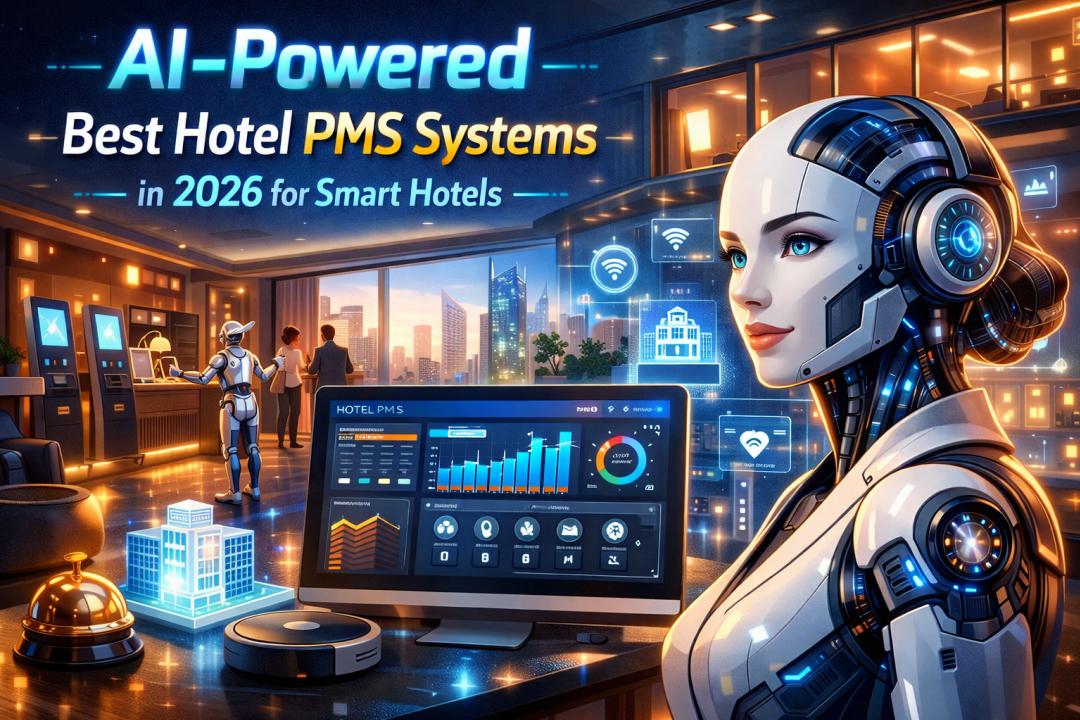
The hospitality industry is undergoing a major digital transformation. Hotels are no longer relying solely on traditional software to manage reservations, guest communication, and operations. Instead, artificial intelligence is now embedded into property management technology, helping hotels automate processes, personalize guest experiences, and increase revenue.
For hotel owners and operators across the USA and global markets, selecting the right technology stack has become a strategic decision rather than just an operational one. Among the most critical tools is choosing the best hotel pms systems that leverage AI to improve efficiency and deliver seamless guest experiences.
In this guide, we’ll explore how modern AI-powered property management platforms are transforming hotels in 2026, what features to look for, and which solutions are leading the market.
What Is a Hotel Property Management System?
A property management platform is the digital backbone of hotel operations. It manages reservations, check-ins, billing, housekeeping, reporting, and guest data in one centralized platform.
Traditionally, hotel pms systems were basic software tools focused on front desk operations. However, modern platforms now integrate artificial intelligence, automation, analytics, and cloud connectivity.
Today’s solutions help hotels:
Automate guest communication
Optimize room pricing
Predict demand using data analytics
Streamline housekeeping workflows
Personalize guest experiences
This shift toward intelligent platforms is why AI-powered tools are becoming essential for modern hotels.
Why AI Is Transforming Hotel Technology in 2026
Artificial intelligence has introduced a new level of intelligence to hospitality operations. Instead of manually managing repetitive tasks, hotels can now rely on automation and predictive insights.
Here are the major ways AI is reshaping hospitality software:
1. Predictive Revenue Management
AI analyzes historical booking data, seasonal trends, competitor pricing, and local events to recommend optimal room rates.
Hotels can adjust pricing automatically, maximizing occupancy and revenue without constant manual updates.
2. Automated Guest Communication
AI chatbots and messaging tools allow hotels to respond instantly to guest inquiries through:
Website chat
Email
SMS
Messaging apps
This reduces staff workload while improving response times.
3. Smart Check-In and Check-Out
Contactless experiences are now expected by modern travelers. AI-powered platforms enable:
Mobile check-in
Digital room keys
Automated identity verification
Express check-out
These features reduce wait times and enhance the guest journey.
4. Operational Efficiency
Automation helps hotels coordinate tasks between departments. Housekeeping, maintenance, and front desk teams receive real-time updates, preventing delays and improving service delivery.
Key Features of an AI-Powered PMS
When evaluating a modern pms system, hotels should prioritize solutions that offer advanced intelligence, integrations, and scalability.
Below are the most important capabilities to look for in 2026.
Cloud-Based Architecture
Cloud deployment ensures hotels can manage operations from anywhere.
Benefits include:
Remote access for managers
Automatic software updates
Secure data storage
Easy scalability for growing hotel chains
AI-Powered Analytics
Data-driven insights are critical for modern hospitality businesses.
AI analytics help hotels:
Predict booking demand
Identify profitable guest segments
Optimize marketing campaigns
Improve operational planning
Channel Manager Integration
Online travel agencies (OTAs) are essential distribution channels.
An integrated platform automatically syncs inventory and pricing across:
Booking platforms
Travel marketplaces
Hotel websites
This prevents overbookings and ensures consistent availability.
Guest Personalization Tools
AI can analyze guest preferences and past behavior to personalize experiences such as:
Room preferences
Upsell offers
Loyalty program rewards
Custom amenities
Personalization increases guest satisfaction and encourages repeat bookings.
Leading AI-Powered Hotel Platforms in 2026
Several hospitality technology providers are setting the standard for intelligent hotel management solutions. Below are some of the most innovative platforms shaping the industry.
1. Cloudbeds
Cloudbeds continues to be one of the most widely adopted hospitality platforms worldwide.
Key strengths include:
AI-driven pricing recommendations
Integrated booking engine
Channel manager connectivity
Automated guest messaging
Its scalable architecture makes it ideal for boutique hotels, hostels, and independent properties.
2. Mews
Mews is known for its modern interface and automation-focused design.
Highlights include:
Contactless guest journey tools
AI-powered reporting dashboards
Automated payment processing
Flexible integration ecosystem
Many tech-forward hotels prefer Mews for its seamless user experience.
3. Oracle Hospitality OPERA Cloud
Oracle remains a major enterprise technology provider for large hotel groups.
Advantages include:
Advanced AI analytics
Multi-property management
Enterprise-grade security
Global scalability
Large hospitality brands often choose this platform due to its extensive capabilities.
4. Hotelogix
Hotelogix is a strong option for mid-sized hotels and growing chains.
Its platform offers:
Cloud-based property management
AI-driven operational insights
Automated front desk workflows
Multi-location management
The software is designed to simplify operations while improving efficiency.
5. RMS Cloud
RMS Cloud focuses heavily on automation and revenue optimization.
Key capabilities include:
AI forecasting tools
Dynamic pricing automation
Integrated housekeeping management
Advanced reporting features
The platform supports hotels, resorts, and serviced apartments.
Benefits of Implementing AI-Powered PMS Technology
Hotels adopting intelligent property management platforms are seeing measurable improvements in efficiency and revenue.
Here are some of the most significant benefits.
Increased Operational Efficiency
Automation reduces manual tasks such as:
Reservation updates
Guest communication
Inventory synchronization
Billing processes
This allows staff to focus more on delivering excellent guest service.
Higher Revenue Through Data Insights
AI-driven analytics identify opportunities to improve profitability by:
Adjusting pricing strategies
Identifying high-value guest segments
Improving marketing targeting
Increasing upsell conversions
These insights help hotels make smarter business decisions.
Improved Guest Experiences
Personalization and automation create smoother guest journeys.
Guests benefit from:
Faster check-ins
Personalized offers
Instant communication
Seamless booking experiences
Satisfied guests are more likely to leave positive reviews and return for future stays.
Scalable Growth for Hotel Businesses
As hotels expand their operations, modern platforms allow them to manage multiple properties within a single dashboard.
A scalable pms system ensures that hotels can grow without constantly replacing their technology infrastructure.
How to Choose the Right PMS for Your Hotel
Selecting the right platform requires evaluating your hotel’s size, operational complexity, and long-term goals.
Consider these factors when making a decision.
Property Size and Type
A boutique hotel may require different features compared to a multi-property chain.
Make sure the platform supports your operational model.
Integration Capabilities
Your system should integrate with other tools such as:
Booking engines
Revenue management platforms
CRM software
Accounting tools
Strong integrations create a unified technology ecosystem.
Ease of Use
Hotel staff interact with the platform daily. A user-friendly interface reduces training time and increases productivity.
Data Security and Compliance
With increasing data privacy regulations, hotels must ensure their platforms follow strict security standards.
This is especially important for properties operating internationally.
The Future of Hotel Management Technology
Looking ahead, AI will continue to reshape the hospitality industry in powerful ways.
Future innovations may include:
Voice-powered hotel operations
Predictive guest service automation
AI-powered marketing campaigns
Advanced demand forecasting
Fully autonomous hotel check-in systems
As competition grows, hotels that adopt intelligent technology early will gain a significant advantage in efficiency, guest satisfaction, and revenue performance.
Final Thoughts
Artificial intelligence is no longer a futuristic concept in hospitality—it’s already transforming how hotels operate. From automated guest communication to predictive pricing and data-driven decision making, modern hotel pms systems are enabling smarter, more efficient hotels.
For hotel owners and operators in the USA and around the world, investing in AI-powered property management technology is one of the most impactful decisions you can make for long-term success.
Ready to Upgrade Your Hotel Technology?
If you’re looking to modernize operations, improve guest experiences, and increase revenue, adopting an AI-powered PMS is the next step toward building a smarter hotel.
Start by evaluating your current technology stack, identifying operational gaps, and exploring platforms that align with your growth goals.
The future of hospitality belongs to hotels that embrace intelligent automation—make sure yours is one of them.