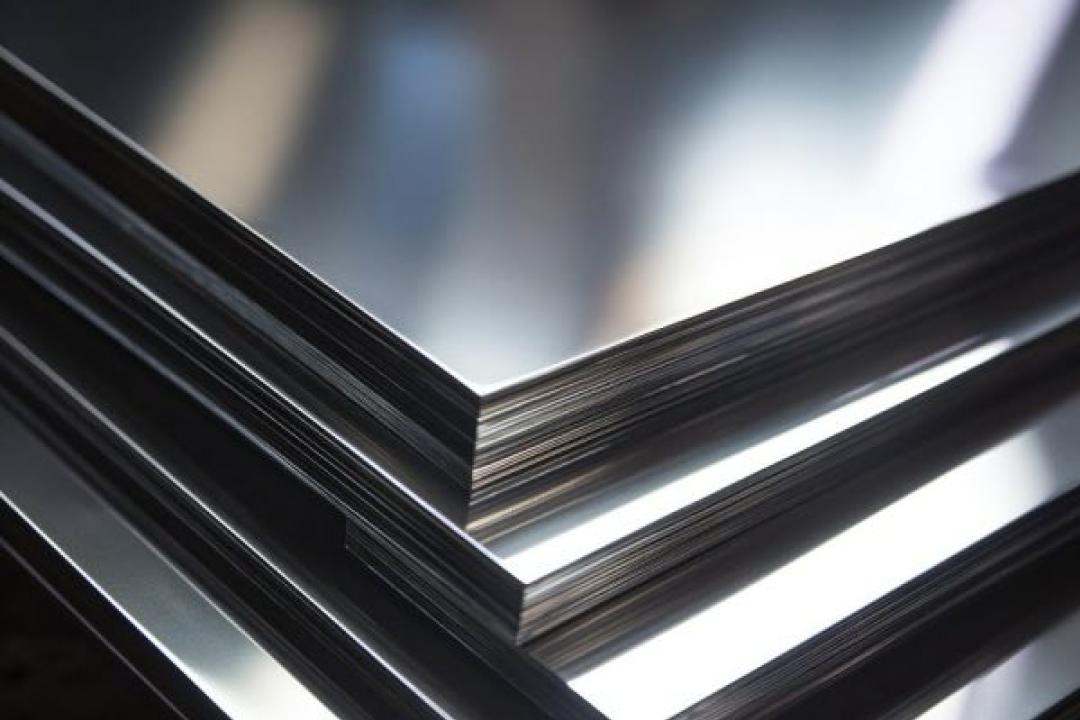
People work with metal in many forms, yet few materials match the strength, balance, and steady use of sheet and plate steel. Builders, makers, and craftsmen rely on these forms every day because they support weight, hold shape, and fit many tasks. A Steel Sheet often forms the base of products that need firm support without extra thickness. Its strength helps workers shape cleaner structures for homes, workshops, and community spaces.
Why Steel Sheets Hold a Key Role in Many Projects
Steel offers a mix of strength and clean form. When shaped into sheets, the material supports tasks that need both flexibility and firmness.
1. Thin Form With Strong Support
A sheet form suits tasks where workers want strength without bulk.
Versatile build:
Workers cut, fold, or bend sheets to match project needs. This helps them create panels, covers, and frames with clear shape control.Clean surface:
The smooth face supports clean finishes. Makers often use sheets to form casings, wall panels, or support skins.Link to Steel Sheet use:
A Steel Sheet works well in workshops where users need fine cuts and steady results.
2. Lightweight Structure for Many Uses
Many teams use sheet metal when they want strength with reduced weight.
Easy handling:
Workers lift and shift sheets with less strain. This improves movement on-site and inside workrooms.Quick shaping:
The thin form helps users handle complex bends and curves without cracks.Simple fit in tight areas:
Sheets slide into compact structures where thicker metal forms cannot.
3. Long Durability With Low Wear
Steel stands firm through heat, weight, and regular use.
Stable core:
The metal keeps shape under pressure and offers solid protection for the structure.Strong finish:
The surface resists scratches and dents, which helps maintain clean form.Steady support:
A sheet keeps strength for many years, which reduces the need for replacement.
How Steel Plates Create Heavy-Duty Support
Unlike thin sheet forms, Steel Plate structures work in heavy tasks. Plates give stronger support where weight and pressure stay high.
1. Thick Form for Heavy Loads
A plate supports more impact and carries more weight.
Firm foundation:
Plates form strong bases for floors, beams, and platforms. They give extra strength where safety matters.Impact control:
The thick form absorbs pressure during tasks that include heavy tools or machinery.Better stability:
A Steel Plate holds its shape even when it faces long-term stress.
2. Use in Construction and Industry
Builders and engineers rely on plates where structures need firm support.
Structural frames:
Plates strengthen beams, joints, and tower bases.Transport systems:
Makers use plates in trucks, ships, and rail systems because the metal supports strong movement loads.Protection layers:
Boxes, covers, and panels use plates to shield contents from damage.
3. Clean Fit for Outdoor Use
Because steel resists wear, plates work well in outdoor settings.
Weather strength:
Plates stand firm against rain and heat, which helps protect structures.Long service life:
The thick form slows wear and keeps shape through constant use.Versatile placement:
A Steel Plate fits floors, ramps, steps, and platforms across many spaces.
Choosing Between Sheets and Plates for Everyday Work
With two strong options, workers choose based on weight, stress, and purpose.
1. Thickness and Strength Needs
Different tasks require different levels of force control.
Sheet for light tasks:
Makers pick sheet metal for cabinets, covers, and small frames.Plate for heavy tasks:
Builders choose plate metal for large structures, support beams, and load-bearing points.Smooth transitions:
Both forms support each other in mixed projects.
2. Shaping and Cutting Needs
The form of the metal changes how workers handle their tasks.
Sheet flexibility:
Sheets bend with ease for curved or folded parts.Plate stability:
Plates support flat, wide areas that need strength.Balanced builds:
Many projects use both forms in different sections.
Final Thoughts: The Strength Behind Everyday Structures
Steel forms the backbone of many projects, from small workshop builds to large structural frameworks. A Steel Sheet gives makers a flexible form that bends, folds, and shapes into many designs. A Steel Plate offers strong support where weight and pressure rise. Together, these two forms create a balance between strength and function that helps workers build stable, safe, and long-lasting structures.