
With the world trending towards clean and sustainable energy solutions, the concept of solar water heaters has emerged as one of the most effective and viable upgrades to modern homes. It makes a huge difference in 2026; with power tariffs rising and the issue of environmental concerns increasing, switching to a solar water heating system will do you well in terms of your wallet and the planet. In this blog, we will walk you through the reasons behind opting for solar water heaters in 2026.
Highlighting the Benefits of a Solar Water Heater in 2026
1. Green/Eco-friendly and Cuts Carbon Footprint
As the world turns into a more and more polluted place, a solar water heater is one of the easiest ways to minimize the impact on the environment. An individual solar water heater would reduce approximately 1850 kg of carbon emissions per year compared to the almost 4000 kg of carbon emissions annually produced by a traditional electric water heater. Because solar heaters do not use electricity produced by burning coal, they contribute to decreasing greenhouse gasses and enhancing the quality of the air. It is also among the greenest systems that can be installed at home.
2. Very Cost-Effective System
Solar water heaters do not use electricity to heat water, one of the largest expense items in monthly power bills. The Department of New and Renewable Energy reckons that changing to solar water heating systems would save 70-80 percent of electricity bills paid by homeowners. This switch can save up almost 18 per cent of the overall electricity expenses, thus making it a long-term cost-saving solution.
3. Extraordinary Strength and Life
The modern solar water heaters are designed to be durable. The previous models utilised mild steel, which was prone to rust. Modern systems comprise either Galvanised Iron (GI) or Stainless Steel (SS) and coating such as enamel, epoxy or powder coating. These materials eliminate salts, chlorides and hard water corrosion. Most companies even assure additional life because of these coats. The system does not need regular servicing and may have a lifespan of 20-25 years of service with minimum maintenance.
4. Low Maintenance in the Long Run
A solar water heater does not require much attention once installed. Solar heaters tend to be serviced, generally after 5-7 years, but in most cases even earlier, compared to electric geysers, which may need constant servicing.
5. Effective Winter Performance
One of the myths is that solar water heating systems do not function in winter. The fact is that contemporary systems are designed to work effectively in cold climates with the help of two methods:
Anti-freeze circulation in which a special liquid is circulated between collectors and storage tanks to inhibit freezing.
Drain-back mechanism, whereby the water is emptied when it gets too cold to prevent the system freezing.
The two techniques offer a reliable supply of hot water during even the extreme winter seasons.
6. No Pollution and Energy consumption.
The operation of solar water heaters does not cause harmful gases and pollutants. The systems powered by fossil fuels emit sulphur dioxide, carbon dioxide and other toxic emissions. Switching to solar helps make the air and the planet green, without compromising comfort or convenience.
7. Works Even During Power Cuts
A solar water heater is one of the greatest benefits as it does not need electricity. As the power outage is widespread in most places, it is very valuable to have a system that serves the purpose of supplying hot water even when the power goes off. The solar radiation is sufficient to warm the water and to keep it ready to be used at any time.
8. Qualifies as a Tax Benefit and Subsidy
The government is still stimulating the use of renewable energy by providing tax exemptions, credits as well and subsidies. Financial incentives of solar water heater installations available to homeowners in most states allow a substantial cut in the initial costs of investment. The tax credits have historically been as high as 30 per cent, and thus solar water heaters become even cheaper.
9. Simple and Convenient Installation
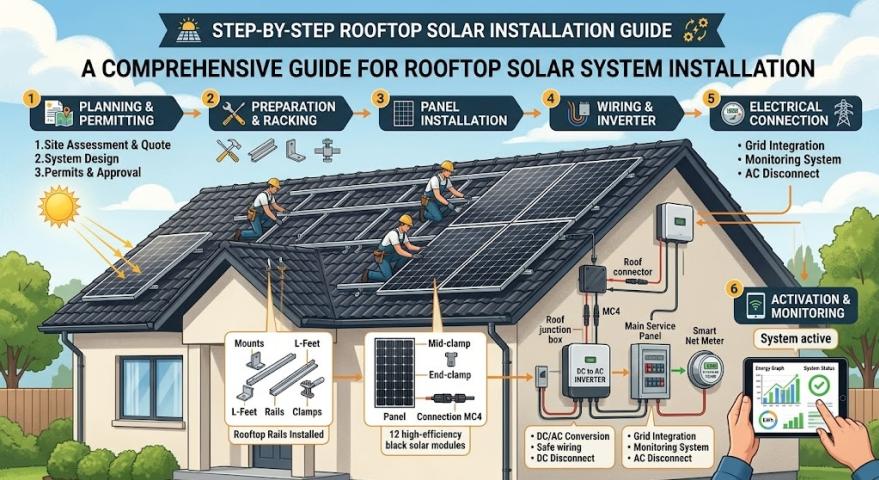
Solar water heaters are easy to install and do not require complex installation. The solar collectors, storage tank, pipelines, and controllers constitute the system. Solar panels are similar to collectors that are put on the roof. The tank is attached to the system and located in a convenient position. The installation is fast, economical and does not entail a lot of structural modification to the property.
Conclusion
In 2026, the idea to replace a water heater with a solar one is not an upgrade but a future-proof investment. Long-term savings, green performance, sustainability, and government subsidies make solar water heaters unsurpassed whether at home or in business. Switching now would guarantee them the reduced bills, cleaner energy and a healthier planet in future.