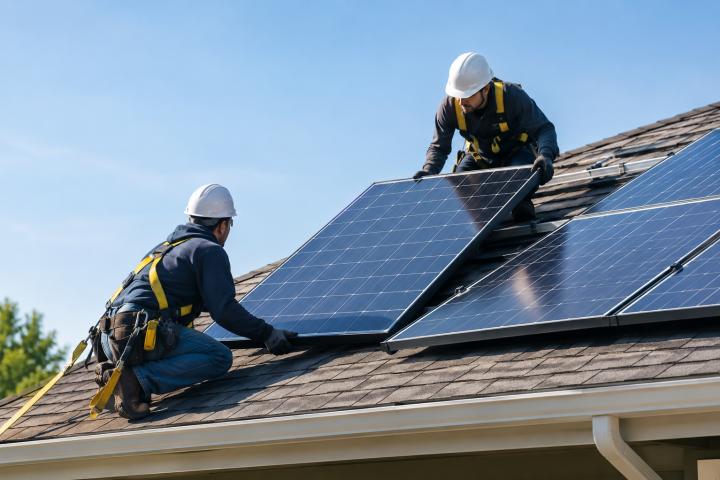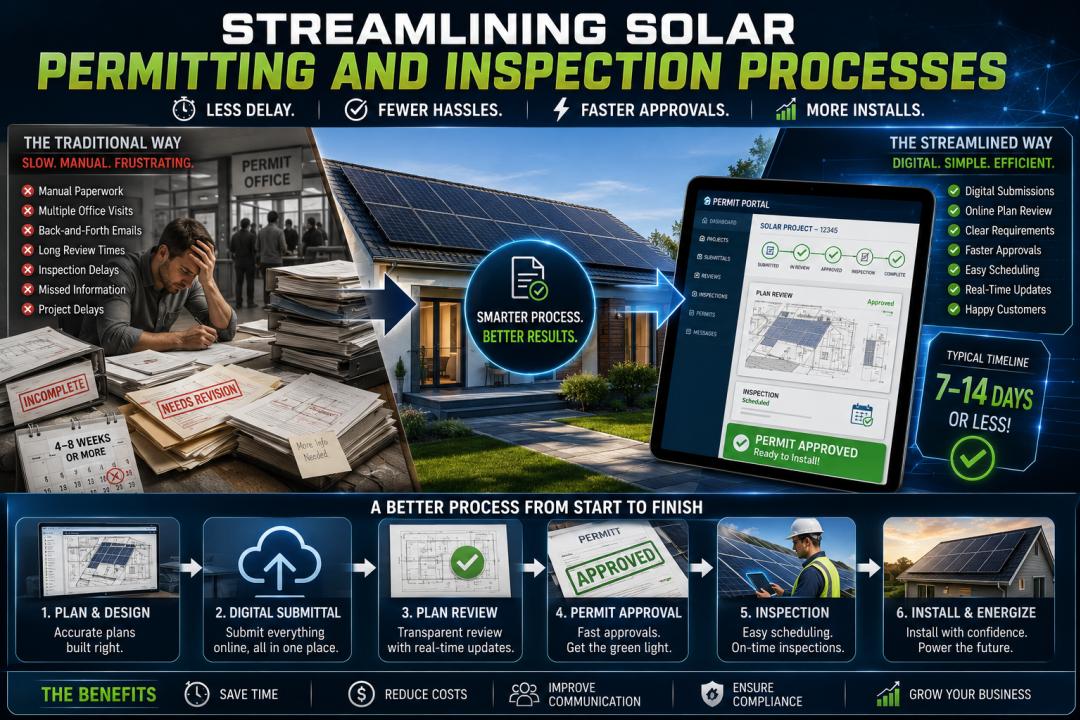
A rooftop solar system can sit fully racked and wired for weeks, waiting only on a permit stamp or an inspector's signature. For installers, that gap between "system ready" and "system approved" is often the biggest drag on timelines, and it rarely involves the panels.
Why Permitting Slows Projects Down
Permitting delays rarely come from the solar array itself. They come from incomplete structural documentation, mismatched engineering letters, or hardware lacking a current ICC-ES evaluation report. Building departments reviewing an application under IBC or IRC need wind and snow load calculations tracing back to ASCE 7, plus hardware carrying a valid AC428 listing. Miss any piece, and reviewers kick the application back, resetting the clock.
What Actually Speeds Up Plan Review
Three elements consistently shorten review cycles: a stamped structural letter referencing the specific mounting system, a data sheet showing UL 2703 bonding and grounding compliance, and an attachment schedule with fastener spacing and embedment depth. Jurisdictions using SolarAPP+ or similar platforms auto-approve straightforward residential systems once documentation is standardized, cutting review from weeks to same-day. This efficiency matters beyond individual projects; the future of investing in green energy depends partly on paperwork moving as fast as installation crews, since capital deployment stalls wherever permitting friction builds up.
Inspection-Stage Considerations
Field inspectors check different things than plan reviewers: flashing at each penetration, fastener torque values, grounding continuity, and rapid-shutdown compliance under NEC 690.12. Photographing flashing before panels go on and logging torque values reduce callback inspections, often for the same root causes as plan-review rejections, just caught later.
Looking at the top five ways Roof-Tech helps solar installers avoid both kinds of rejection reveals a pattern: pre-packaged AC428 reports, structural letters tied to specific roof types, published attachment schedules, bundled UL 2703 test data, and consistent SKU labeling that reviewers and inspectors both recognize. None of this replaces a licensed engineer's site-specific review, but it removes the guesswork behind most callbacks.
Conclusion
Permitting and inspection aren't obstacles bolted onto solar work; they're an extension of it. Documentation, engineering traceability, and field habits determine whether a finished install becomes a producing system in days or months. Installers who treat documentation as part of the build see shorter approval timelines.
Frequently Asked Questions
1. How long does solar permitting typically take?
Timelines vary, from same-day approval under SolarAPP+->
2. What documents do building departments require for solar permits?
A structural engineering letter, an electrical single-line diagram, equipment spec sheets with UL and ICC-ES listings, and a site plan.
3. Why do solar permits get rejected?
Most trace back to incomplete structural documentation, missing certifications, or attachment details that don't match the engineering letter.
4. What happens during a solar inspection?
Inspectors check flashing, structural attachment, grounding and bonding per UL 2703, rapid-shutdown compliance under NEC 690.12, and required labeling.