As cybersecurity threats grow more advanced, organizations worldwide are investing heavily in skilled security professionals who can deploy, manage, and optimize security solutions. Among the most in-demand roles is the Fortinet Security Engineer—an expert responsible for implementing and maintaining Fortinet’s Security Fabric, including FortiGate firewalls, endpoint security, and cloud-based defenses. Whether you’re starting your IT journey or transitioning into cybersecurity, building this career path becomes more achievable with structured learning, hands-on experience, and formal credentials like Fortinet NSE 4.
Understanding the Role of a Fortinet Security Engineer
A Fortinet Security Engineer designs, configures, monitors,
and troubleshoots security infrastructures built on Fortinet products. Their
responsibilities often include:
- Deploying
FortiGate firewalls
- Configuring
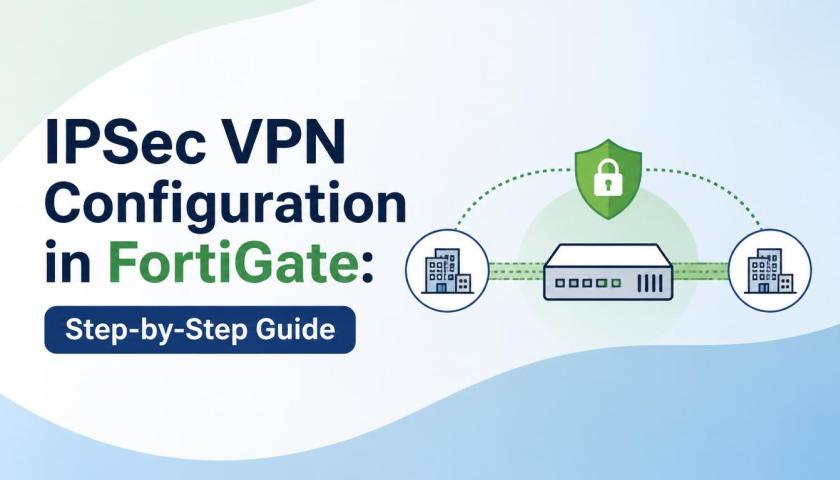
VPNs and network segmentation
- Managing
FortiAnalyzer, FortiManager, and FortiSwitch
- Implementing
intrusion prevention and web filtering
- Ensuring
compliance with industry standards
- Monitoring
security events and responding to incidents
These engineers are foundational to any organization that
relies on Fortinet solutions for enterprise-grade protection.
Step 1: Build Strong Fundamentals in Networking
A successful Fortinet Security Engineer must have a deep
understanding of core networking concepts such as:
- TCP/IP
- Subnetting
- Routing
protocols (OSPF, BGP)
- VLANs
and trunking
- NAT
and firewall fundamentals
Before specializing in Fortinet technologies, strengthen
your networking basics through self-study, labs, or entry-level certifications
like CompTIA Network+ or CCNA.
Step 2: Understand Cybersecurity Essentials
Networking is only one piece of the puzzle. Security
engineers must also understand:
- Threat
detection and mitigation
- Security
frameworks
- IPS/IDS
concepts
- Access
control and authentication
- Encryption
and VPN fundamentals
Cybersecurity knowledge forms the backbone of the work
Fortinet professionals perform.
Step 3: Start the Fortinet NSE Certification Path
Fortinet offers a structured certification journey known as
the NSE (Network Security Expert) program. To become a Fortinet Security
Engineer, the following levels are key:
NSE 1–3: Cybersecurity Awareness
Ideal for beginners, these levels introduce basic security
concepts and Fortinet’s product ecosystem.
NSE 4: FortiGate Security & FortiGate Infrastructure
This is the core certification for anyone pursuing a
Fortinet Security Engineer role. It validates your ability to configure,
manage, and troubleshoot FortiGate firewalls. Completing Fortinet NSE 4
training ensures you gain the practical expertise needed for real-world
deployments.
NSE 5–6: Advanced Management and Specialized Skills
These levels expand knowledge into centralized management
tools and specialized security technologies such as FortiWeb and FortiMail.
NSE 7–8: Expert-Level Mastery
These certifications are ideal for professionals looking to
advance into architect or senior engineer roles.
Step 4: Gain Hands-On Practice
Certifications are powerful, but real skills come from
practice. You can gain hands-on experience by:
- Using
FortiGate VM editions
- Building
home labs
- Practicing
VPN configurations
- Testing
firewall policies
- Simulating
threat scenarios
- Experimenting
with FortiAnalyzer reporting
Practical experience is essential for troubleshooting and
understanding complex security environments.
Step 5: Learn Fortinet’s Security Fabric
To thrive as a Fortinet Security Engineer, understand how
Fortinet’s ecosystem integrates across:
- Firewalls
- Endpoint
security
- Email
and web applications
- Wireless
networks
- Cloud
environments
- SD-WAN
deployments
The Security Fabric ties these components together, giving
engineers unified visibility and control.
Step 6: Explore Real-World Projects
Examples of projects that build your portfolio include:
- Creating
segmented network architectures
- Deploying
redundant FortiGate clusters
- Implementing
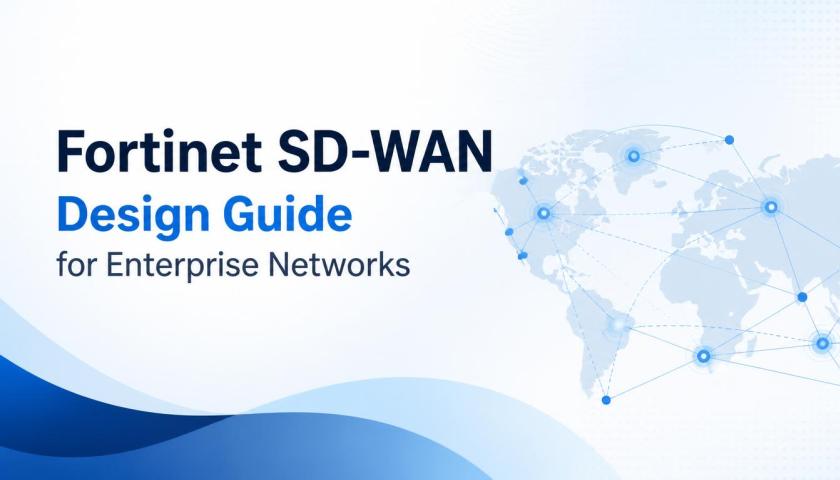
SD-WAN for branch offices
- Setting
up centralized logging and monitoring
- Designing
secure VPN access for remote teams
These practical projects demonstrate your ability to apply
technical skills to business needs.
Step 7: Stay Up to Date with Industry Trends
Cybersecurity evolves rapidly. Fortinet Security Engineers
must stay well-informed on:
- Zero
Trust strategies
- Cloud-native
security
- Secure
Access Service Edge (SASE)
- AI-driven
threat analysis
- New
FortiOS releases
Following Fortinet blogs, training portals, and security
reports will keep your skills relevant.
Step 8: Build Professional Experience
Career opportunities for Fortinet Security Engineers include
roles such as:
- Network
Security Engineer
- Firewall
Administrator
- SOC
Analyst
- Cybersecurity
Consultant
- Cloud
Security Engineer
Work experience helps professionals strengthen their
troubleshooting skills and understand industry-specific challenges.
Conclusion
Building a career as a Fortinet Security Engineer requires a
blend of networking fundamentals, cybersecurity knowledge, certifications, and
hands-on experience. With structured learning and practical exposure,
professionals can master Fortinet’s product suite and design secure, scalable,
and modern security solutions. Whether you are just beginning your journey or
refining your skills through Fortinet NSE 4 training, this career path
opens the door to high-demand roles in organizations across the globe.