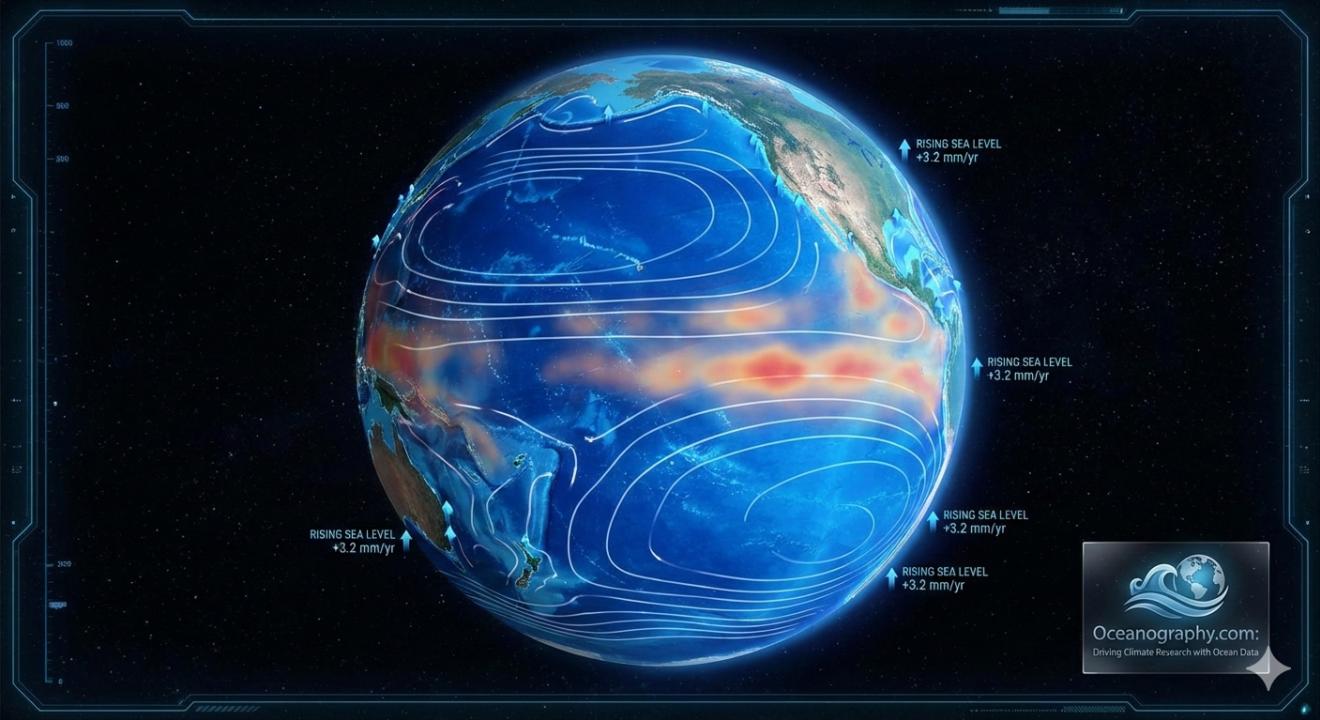
Climate change is one of the most urgent challenges facing our planet, and the ocean sits at the center of this global issue. Covering more than 70 percent of Earth’s surface, the ocean absorbs heat, stores carbon, and regulates weather patterns. To understand how climate change is evolving and how it will impact the future, scientists rely heavily on ocean data.
This is where platforms like Oceanography.com play a crucial role, helping researchers, educators, and students access ocean data that drives climate change research forward.
Why Ocean Data Matters for Climate Science
The ocean acts as a massive climate regulator. It absorbs over 90 percent of the excess heat caused by greenhouse gas emissions and captures a significant portion of carbon dioxide from the atmosphere. Without ocean data, scientists would have an incomplete picture of how climate change works.
Ocean data helps researchers:
- Track rising sea surface temperatures
- Monitor sea level rise and melting ice
- Study ocean acidification
- Understand changes in ocean circulation
- Analyze the health of marine ecosystems
These measurements are essential for building accurate climate models and predicting future environmental changes.
Key Types of Ocean Data Used in Climate Research
Climate scientists rely on several types of oceanographic data to study climate change:
Sea Surface Temperature
Rising ocean temperatures are a clear indicator of global warming. Long-term temperature datasets help scientists identify warming trends and heat distribution across the globe.
Salinity and Density
Changes in salinity affect ocean circulation and climate systems. Freshwater from melting glaciers alters ocean density, impacting major current systems that influence global weather.
Sea Level Measurements
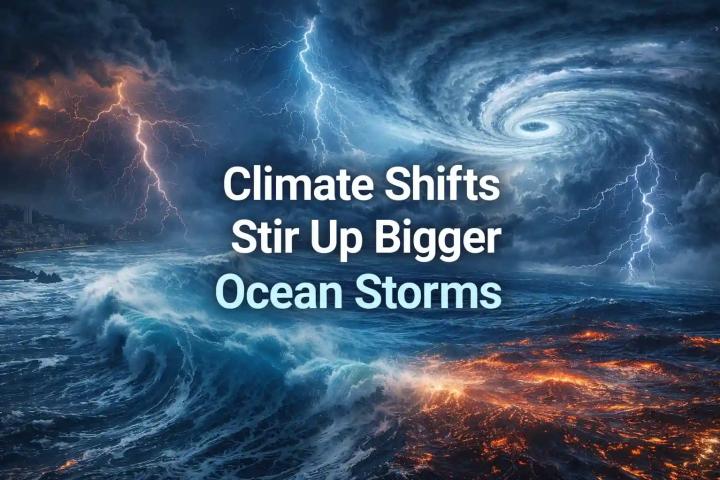
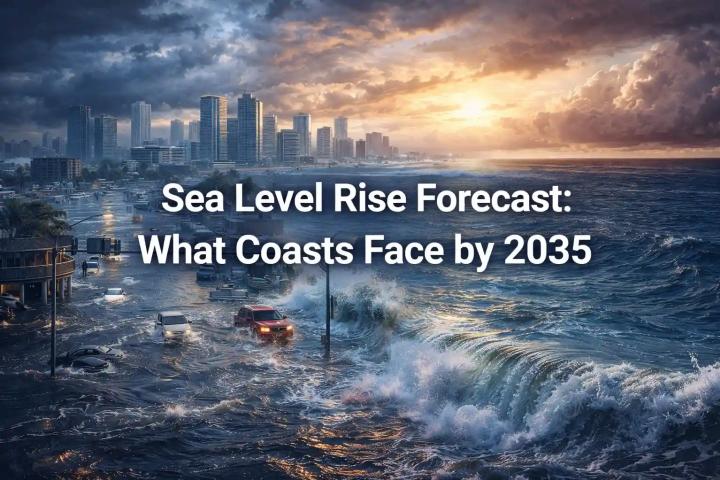
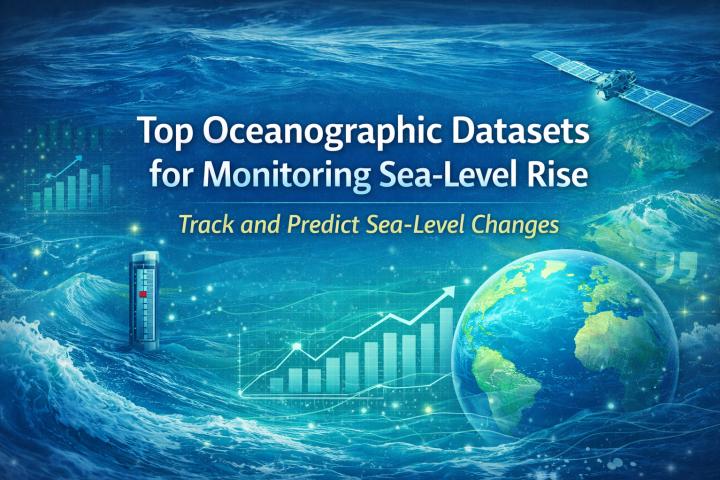
Sea level rise is driven by thermal expansion and melting ice. Accurate ocean data allows researchers to measure coastal risk and predict future flooding.
Carbon and Oxygen Levels
Ocean carbon absorption and declining oxygen levels reveal how climate change is affecting marine chemistry and ecosystems.
Ocean Currents
Shifts in ocean circulation can alter climate patterns, fisheries, and weather systems worldwide.
How Oceanography.com Supports Climate Research
Oceanography.com provides access to oceanographic datasets and educational resources that support climate change research. By bringing together data, research materials, and learning content in one place, the platform helps users explore how the ocean interacts with Earth’s climate system.
Researchers and students can use the platform to:
- Explore real-world ocean data
- Study climate-related ocean trends
- Support academic research and teaching
- Build a deeper understanding of ocean-climate connections
Making ocean data accessible helps bridge the gap between complex scientific research and practical understanding.
Who Benefits from Ocean Climate Data?
Ocean data fuels climate research across many fields:
- Climate scientists analyzing global warming trends
- Marine biologists studying ecosystem responses
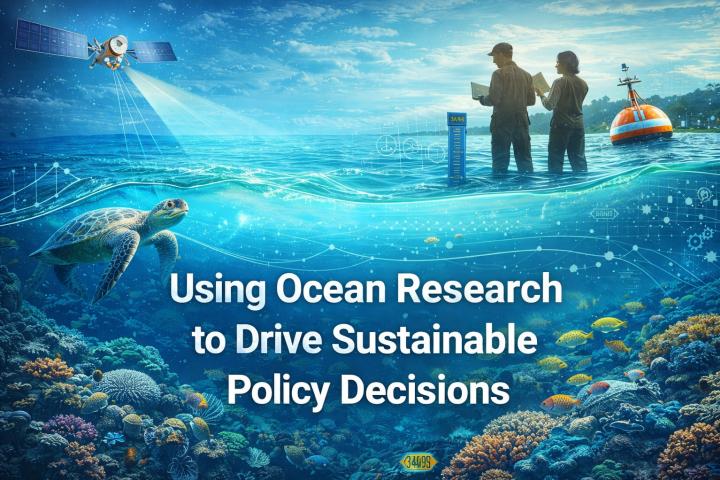
- Environmental policymakers planning climate strategies
- Educators and students learning climate science
- Conservation groups protecting marine environments
By understanding ocean data, decision-makers and researchers can respond more effectively to climate challenges.
Why Ocean Data Will Shape the Future
As climate change accelerates, the ocean will continue to be one of the most important indicators of planetary health. The data collected today will shape future climate predictions, policy decisions, and conservation efforts.
Platforms like Oceanography.com make this data easier to explore, understand, and apply. By giving researchers and learners access to ocean science resources, these tools help ensure climate decisions are based on evidence and accurate information.
Final Thoughts
Climate change research depends on understanding the ocean. From rising temperatures to shifting currents, ocean data reveals how deeply connected Earth’s systems truly are. With reliable data and accessible tools, researchers can better predict change, protect ecosystems, and guide global climate action.
🌊 Explore ocean data and climate research at: https://oceanography.com/