Climate change affects every part of the planet, but much of its story is written in the oceans. From rising sea levels to warming waters, the ocean holds some of the most important evidence of how Earth’s climate is changing. For scientists, researchers, and educators, ocean data is a critical foundation for understanding climate trends and predicting what lies ahead.
Platforms like Oceanography.com help make this ocean data more accessible, allowing users to explore how the ocean supports and shapes climate change research.
The Ocean’s Role in the Climate System
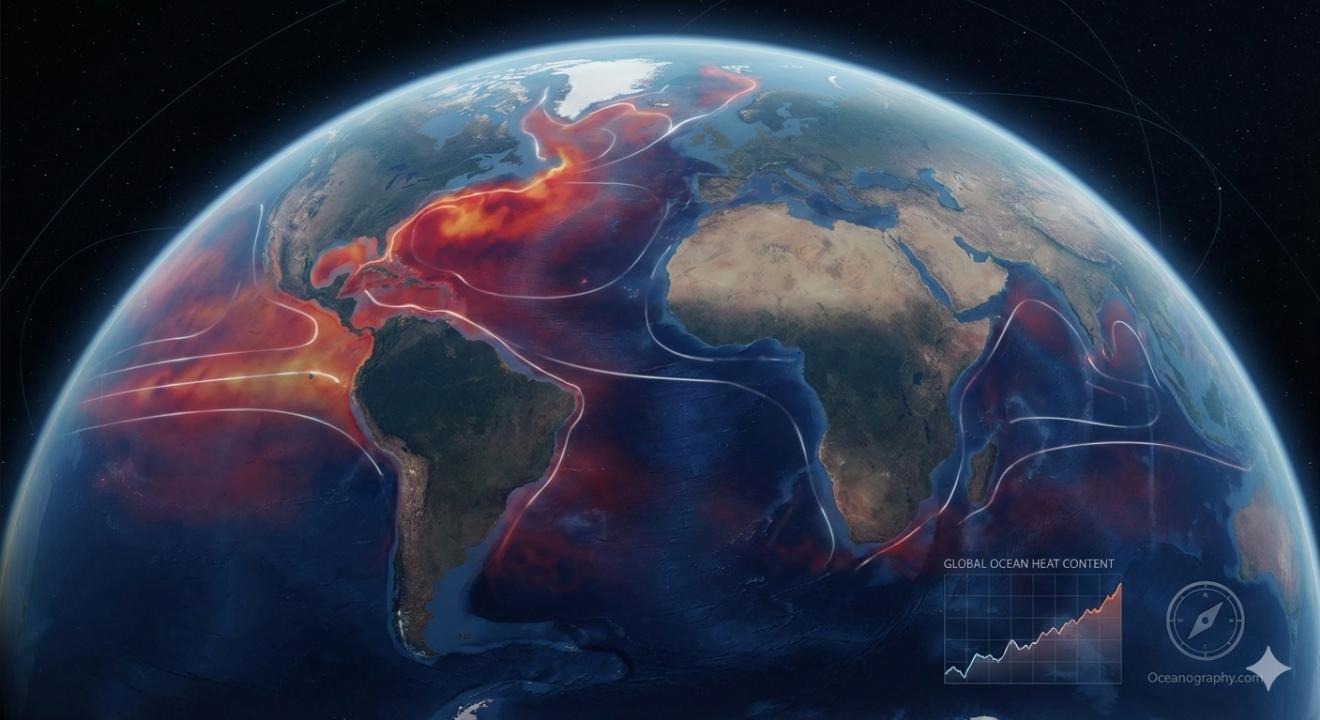
The ocean plays a central role in regulating Earth’s climate. It absorbs a large portion of the heat generated by greenhouse gas emissions and stores vast amounts of carbon dioxide. Without the ocean, global temperatures would rise much faster.
Ocean data helps researchers understand:
- How heat is distributed across the planet
- Why weather patterns are changing
- How sea levels are rising
- How marine ecosystems are responding to warming waters
By studying the ocean, scientists gain insight into both current climate conditions and long-term climate trends.
Key Ocean Data Used in Climate Research
Climate research depends on several types of oceanographic data:
Sea Surface Temperature
Rising ocean temperatures are one of the clearest indicators of global warming. Long-term temperature records help scientists track warming trends and identify heat waves in the ocean.
Sea Level Data
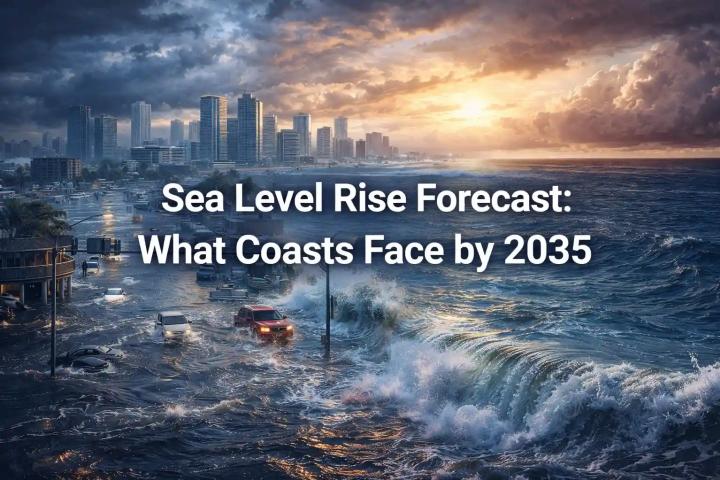
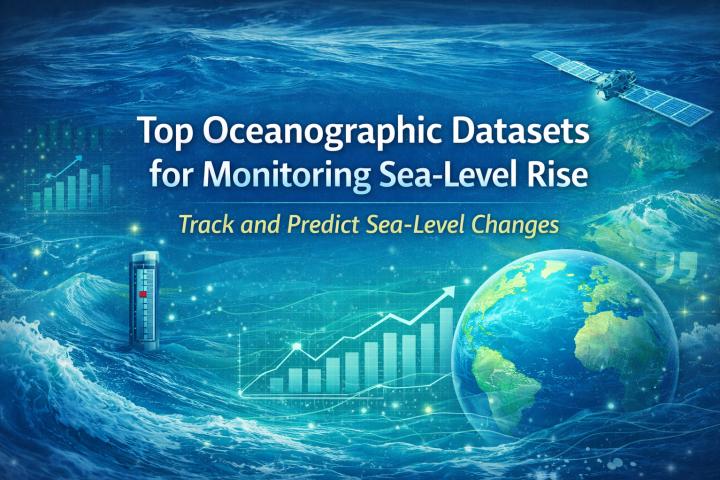
Satellite and coastal measurements show how melting ice and thermal expansion contribute to rising sea levels. This data is essential for assessing coastal risk and future flooding.
Ocean Salinity
Changes in salinity reveal shifts in freshwater input from melting glaciers and changing rainfall patterns, which affect ocean circulation and climate systems.
Carbon and Chemical Data
Measurements of carbon dioxide and ocean acidity help researchers understand how the ocean absorbs emissions and how acidification impacts marine life.
Ocean Circulation
Currents move heat, nutrients, and carbon around the globe. Changes in circulation patterns can influence climate, weather, and marine ecosystems.
How Oceanography.com Supports Climate Research
Oceanography.com brings together ocean-related data, educational resources, and research materials that support climate change studies. By providing access to ocean science content in one place, the platform helps users better understand the link between the ocean and climate.
Researchers and students can use Oceanography.com to:
- Explore real-world ocean data
- Learn how ocean measurements are collected
- Study climate-related ocean processes
- Support academic research and teaching
Making ocean data more accessible helps close the gap between scientific research and public understanding.
Who Uses Ocean Data?
Ocean data supports a wide range of climate-focused work:
- Climate scientists modeling future climate scenarios
- Marine biologists studying ecosystem changes
- Environmental agencies planning adaptation strategies
- Educators and students learning climate science
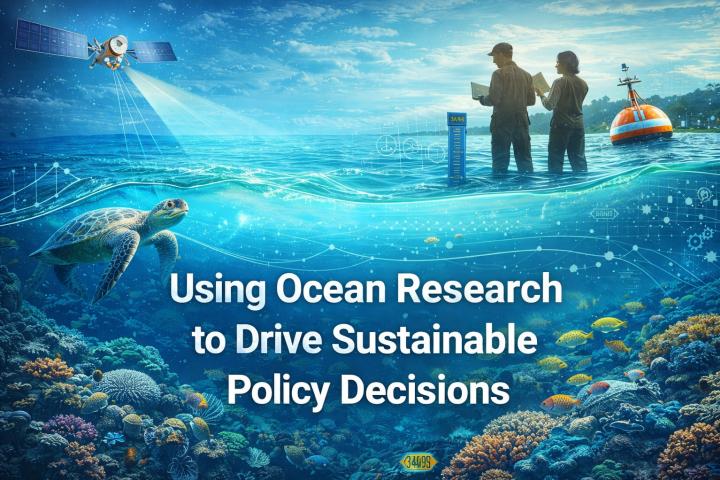
- Policy makers developing evidence-based climate policies
Reliable ocean data ensures that climate decisions are informed by real measurements rather than assumptions.
Why Ocean Data Matters More Than Ever
As climate change accelerates, the ocean will continue to be one of the most important indicators of planetary health. The data collected today will shape tomorrow’s climate predictions, conservation efforts, and global responses.
By providing access to ocean science resources, platforms like Oceanography.com help researchers and learners understand how the ocean supports climate change research and why protecting it is essential for the future.
Final Thoughts
Climate change cannot be fully understood without the ocean. From absorbing heat to regulating weather, the ocean plays a vital role in Earth’s climate system. Ocean data allows scientists to track changes, predict impacts, and guide global action.
🌊 Explore ocean data and climate research at: https://oceanography.com/