Healthy oceans are not protected by guesses. They are protected by data.
From rising sea temperatures to shrinking fish populations, ocean data has become the backbone of modern marine conservation policies. Governments, scientists, and environmental organizations now rely on real time ocean data to decide where protection is needed most and how policies should evolve.
Why Ocean Data Matters
Ocean data helps track changes that are invisible to the naked eye. Temperature shifts, salinity levels, coral health, and species migration patterns all tell a story about what is happening beneath the surface.
Without this data, conservation decisions would rely on assumptions instead of evidence.
How Data Influences Policy Decisions
Marine conservation policies are shaped by insights such as:
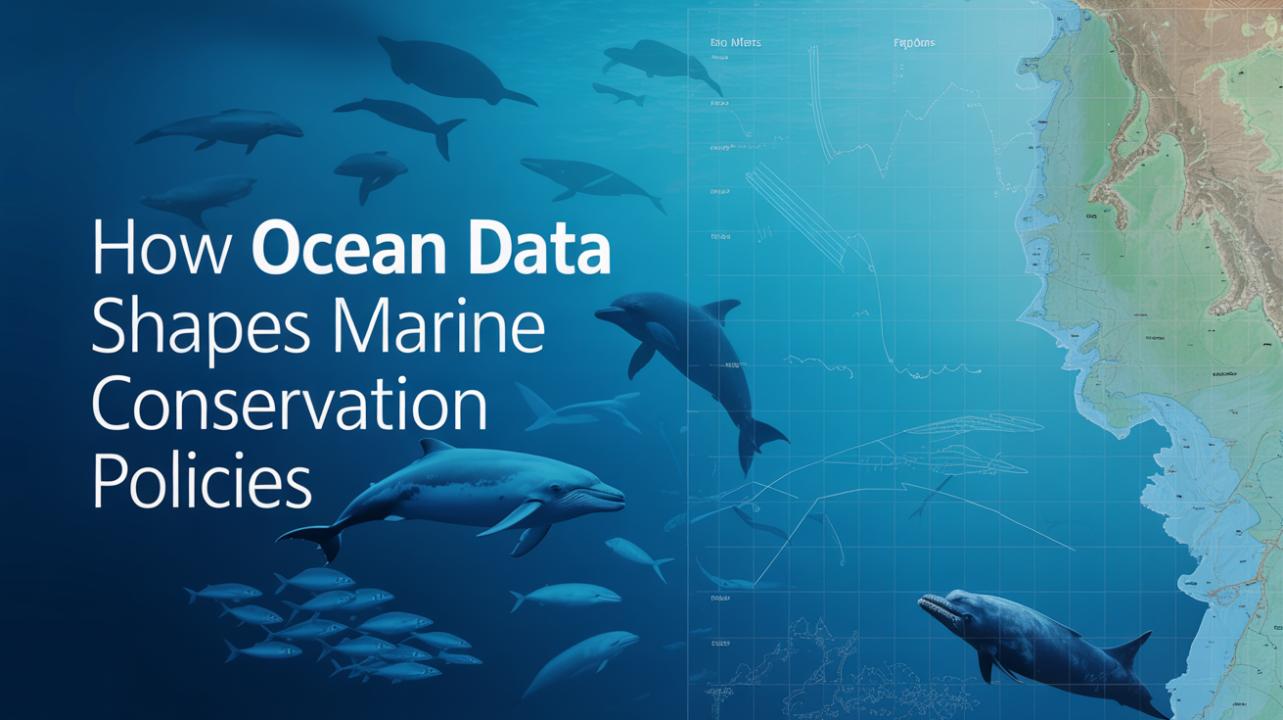
- Identifying areas with declining biodiversity
- Designing marine protected areas based on species movement
- Regulating fishing limits using population data
- Responding to climate driven ocean changes faster
These data driven insights help policymakers act before damage becomes irreversible.
The Role of Technology
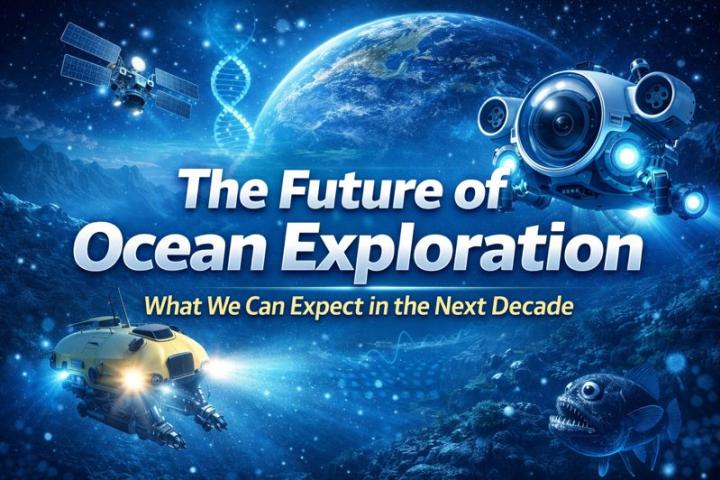
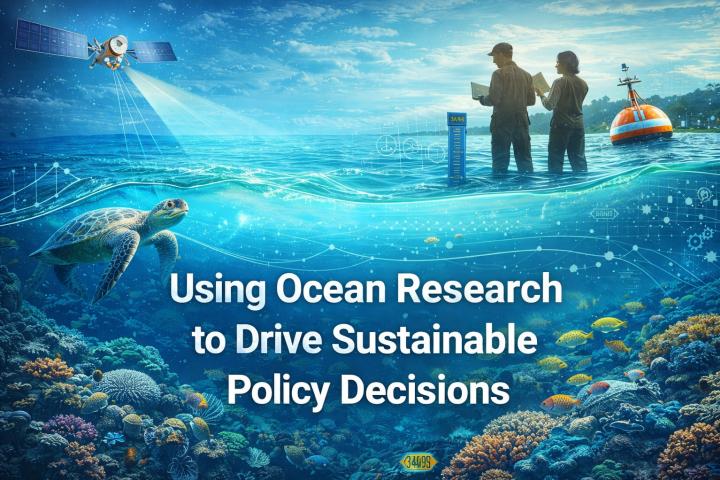
Satellites, underwater sensors, research vessels, and open data platforms now collect vast amounts of ocean information. This has made conservation planning more precise, transparent, and adaptable.
Why This Matters for the Future
As climate change accelerates, data will decide how effectively oceans are protected. Strong policies backed by accurate data mean healthier ecosystems, sustainable fisheries, and stronger coastal communities.
Explore more marine data, research, and insights at
👉 https://oceanography.com/