
In today’s rapidly evolving digital landscape, businesses face threats that go beyond traditional physical security. Cyberattacks, data breaches, and operational disruptions are increasingly sophisticated, requiring organizations to adopt proactive, comprehensive security strategies. Modern business security is no longer about responding to incidents after they occur; it is about anticipating risks, monitoring continuously, and safeguarding every layer of operations with precision.
Understanding Modern Security Challenges
Businesses today operate in an environment where threats are multi-dimensional. Cybersecurity risks, insider threats, industrial espionage, and supply chain vulnerabilities all demand attention. Unlike traditional threats, these modern risks can cause immediate financial loss, reputational damage, and legal complications.
Organizations that rely on outdated security measures often find themselves unprepared for the speed and complexity of modern attacks. The challenge is no longer just protecting physical assets, it is about securing digital infrastructure, sensitive information, and customer trust simultaneously.
The Importance of Proactive Security Strategies
Proactive security strategies focus on prevention rather than reaction. By continuously monitoring systems, anticipating threats, and implementing risk mitigation measures, businesses can reduce vulnerabilities before they become crises.
Advanced monitoring, threat intelligence, and automated response mechanisms are key components of proactive security. Companies that adopt these measures are able to detect suspicious activity in real time, respond immediately, and prevent potentially costly incidents.
Multi-Layered Security Architecture
A multi-layered security approach ensures that businesses are protected across all potential attack surfaces. This architecture includes physical security, network security, endpoint protection, identity management, and data encryption.
Implementing multiple layers of defense reduces the likelihood that a single vulnerability can compromise an entire organization. Integrated solutions that connect these layers allow security teams to manage threats more effectively and maintain continuous visibility over critical operations.
Cybersecurity in the Age of Digital Transformation
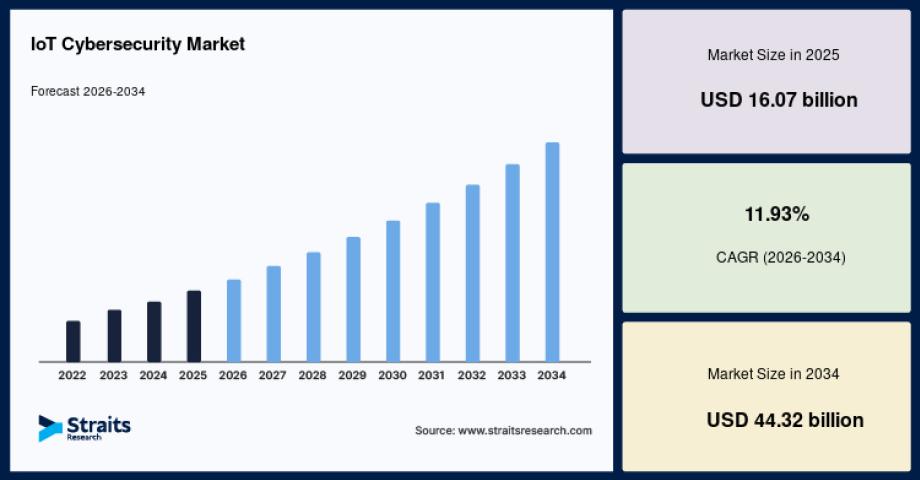
As companies adopt cloud computing, remote work, and IoT devices, cybersecurity has become more critical than ever. Protecting networks, applications, and sensitive data requires advanced solutions that can scale with business growth.
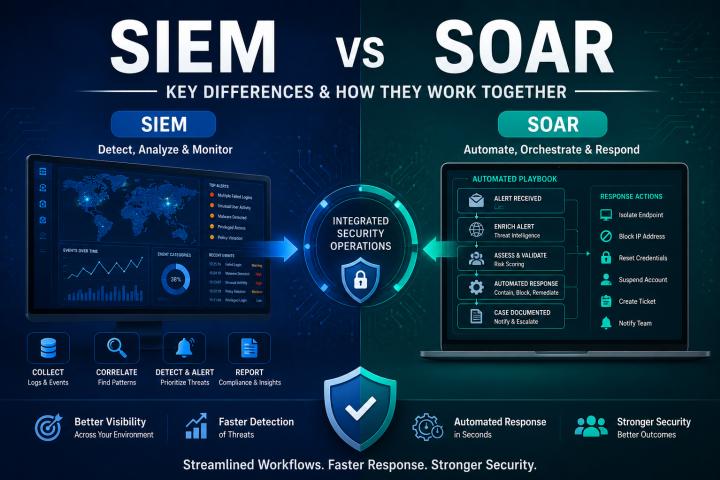
A top tier security solutions approach combines real-time monitoring, AI-driven threat detection, and automated incident response. This ensures that businesses can identify risks quickly, limit exposure, and maintain operational resilience even in complex digital environments.
Real-Time Threat Detection and Response
Real-time threat detection is essential for modern business security. Delays in identifying threats can lead to data loss, operational downtime, and financial damage. By integrating automated monitoring systems, organizations can detect anomalies instantly and respond effectively.
Rapid response includes isolating affected systems, mitigating breaches, and analyzing incidents to prevent recurrence. This proactive approach not only protects assets but also strengthens customer confidence and regulatory compliance.
Cloud Security and Data Protection
Cloud adoption introduces unique security challenges, including data exposure, misconfigured platforms, and unauthorized access. Implementing robust cloud security measures protects critical business information while enabling flexibility and scalability.
Encryption, secure access controls, continuous monitoring, and threat intelligence integration are essential for safeguarding cloud environments. Businesses that prioritize cloud security can leverage digital transformation without compromising their data integrity or regulatory compliance.
Employee Awareness and Insider Threat Prevention
Security is only as strong as the people implementing it. Employees remain one of the most significant sources of risk due to phishing, social engineering, and accidental breaches.
Comprehensive security programs include training, awareness campaigns, and simulated threat exercises. Empowering staff to recognize and respond to threats mitigates insider risks and ensures that human factors do not compromise technical defenses.
Compliance and Regulatory Considerations
Many industries are subject to strict regulations, including GDPR, HIPAA, and industry-specific cybersecurity standards. Failure to comply can result in hefty fines, legal action, and reputational damage.
Integrating compliance into security strategies ensures that businesses meet legal obligations while protecting sensitive data. Automated reporting, audit trails, and continuous monitoring make adherence easier and more efficient.
Physical Security in a Digital World
Even with advanced cybersecurity measures, physical security remains a critical component. Unauthorized access to facilities, theft of devices, and tampering with infrastructure can all compromise digital and operational safety.
Modern physical security systems, such as access control, biometric verification, and surveillance integration, work alongside digital measures to provide comprehensive protection across all business environments.
Incident Response Planning and Business Continuity
No security framework is foolproof. Organizations must prepare for potential breaches through well-defined incident response and business continuity plans.
Effective planning includes identifying critical assets, defining response protocols, assigning roles, and regularly testing procedures. Incorporating advanced solutions and simulations ensures that the team can act quickly, minimizing downtime and losses during an incident.
Advanced Technologies Driving Security Innovation
Emerging technologies are transforming how businesses protect their assets. AI, machine learning, behavioral analytics, and predictive threat modeling enhance detection capabilities and automate responses to potential threats.
By continuously analyzing data from multiple sources, these technologies identify patterns that human operators might miss. Businesses that leverage these tools gain a competitive advantage in maintaining secure operations in an increasingly complex threat landscape.
Choosing the Right Security Partner
Implementing comprehensive security measures often requires specialized expertise. Partnering with trusted providers ensures access to advanced tools, real-time monitoring, and expert guidance.
A top tier security solutions provider offers integrated systems, proactive threat intelligence, and customized strategies that align with business objectives. Such partnerships allow organizations to focus on growth while maintaining robust security postures.
Cost-Effectiveness and Risk Reduction
Investing in advanced security may seem expensive, but the cost of data breaches, downtime, and reputational damage far outweighs the investment. Proactive security reduces the risk of financial loss and operational disruption while providing long-term savings.
By adopting scalable and integrated security solutions, businesses can protect critical assets efficiently without overextending budgets.
Future Trends in Business Security
The future of business security will emphasize predictive and adaptive measures. Threats will continue to evolve, requiring systems that learn from patterns, anticipate attacks, and respond autonomously.
Integration of cybersecurity, physical security, AI, and cloud solutions will create a cohesive, real-time protective network. Organizations that embrace these trends will remain resilient in the face of emerging risks.
Building a Security-Centric Culture
Technology alone cannot eliminate risk. Organizations must foster a culture that values security at all levels, from executives to front-line employees.
Policies, awareness programs, and ongoing training reinforce best practices, ensuring that security considerations are embedded in every decision. A culture of vigilance complements advanced solutions, creating an organization that is prepared for current and future threats.
Conclusion
The future of business security lies in proactive, integrated, and technology-driven approaches. By adopting advanced monitoring, AI-enabled threat detection, and comprehensive protective strategies, organizations can mitigate risks, safeguard assets, and maintain operational continuity. Leveraging expertise from top tier security solutions providers ensures that businesses are equipped to face evolving threats with confidence and resilience. As threats become more sophisticated, a proactive security strategy will remain essential for protecting both business operations and long-term success.