Climate change does not begin in the atmosphere alone. Much of its story unfolds in the ocean.
Oceanographic data has become one of the most powerful tools for understanding climate change. From rising sea temperatures to shifting currents, ocean data reveals how climate systems behave, change, and interact over time.
Why Ocean Data Matters
The ocean absorbs over 90 percent of the excess heat caused by greenhouse gas emissions. Without ocean data, climate models would be incomplete and inaccurate.
By tracking temperature, salinity, carbon absorption, and sea level changes, researchers can measure how fast climate change is progressing and where its impacts are most severe.
How Data Influences Climate Research
Ocean data helps scientists:
- Detect long term warming trends
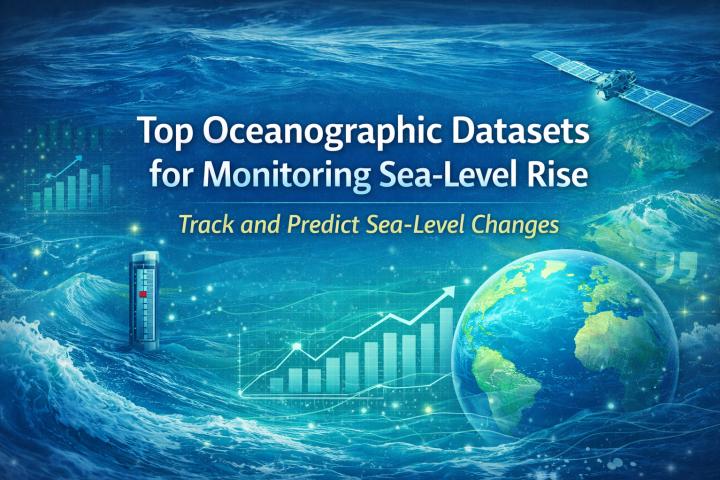
- Measure sea level rise with precision
- Monitor ocean acidification
- Track melting polar ice and heat transport
These insights improve climate models and make predictions more reliable.
The Role of Technology
Satellites, autonomous floats, underwater sensors, and research vessels continuously collect global ocean data. Advanced analytics and modeling tools turn this raw information into actionable climate insights.
Why This Matters for the Future
Better ocean data leads to better climate decisions. It helps policymakers prepare for extreme weather, protect coastal communities, and plan climate adaptation strategies based on evidence, not assumptions.
Explore ocean data and climate research resources https://www.oceanography.com/