Selecting the right eCommerce website package directly influences your business’s growth. Many businesses find it challenging to identify their actual needs compared to what they pay for.
The right eCommerce website development package helps manage costs, enhance performance, and enable long-term scalability. The wrong choice can result in rebuilds, lost sales, and technical constraints.
This guide outlines the differences, use cases, costs, and key decision factors to help you choose the best package for your business.
Understanding eCommerce Website Packages
eCommerce website packages bundle services that set the scope, features, and technical foundation of your online store. They help businesses estimate costs, timelines, and expected results.
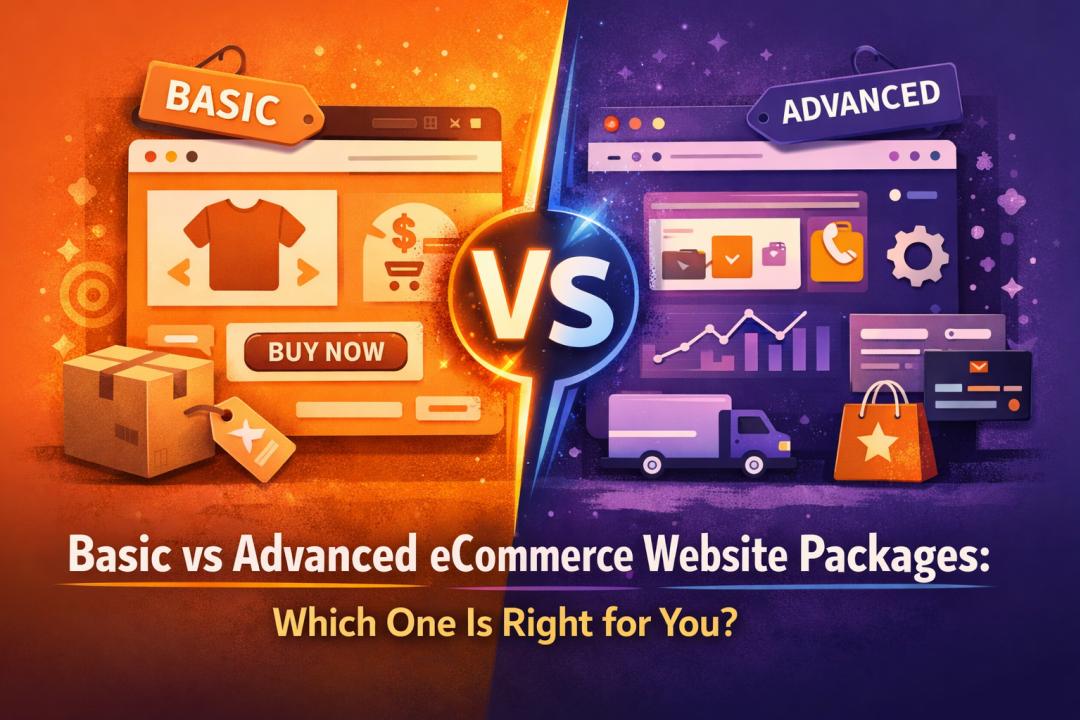
Most providers offer basic and advanced eCommerce website development packages, each designed for different stages of business growth.
What Is a Basic eCommerce Website Package?
A basic package suits startups, small businesses, or first-time sellers. It prioritizes launching your store quickly with essential features.
These packages emphasize simplicity, speed, and affordability rather than customization.
Core Features of a Basic Package
Basic packages typically include the standard tools needed to start selling online, while avoiding complex integrations and advanced workflows.
Common features include:
- Pre-designed themes
- Product catalog setup
- Basic payment gateway integration
- Standard checkout flow
- Mobile-responsive design
Who Should Choose a Basic Package?
Basic packages are best for businesses with simple needs and limited budgets, especially when speed-to-market is the main priority, making them a practical choice for eCommerce Website Packages for Startups.
This option fits:
- New startups
- Small local businesses
- Single-product or limited catalog stores
- Businesses testing an idea or MVP
Advantages of Basic eCommerce Website Packages
Basic packages lower initial investment and technical complexity, allowing businesses to focus on marketing and validating their offerings.
- Key benefits include:
- Lower development cost
- Faster launch timeline
- Minimal maintenance requirements
- Easy platform onboarding
Limitations of Basic Packages
Basic packages are not intended for scaling or complex operations. As your business grows, technical limitations become more apparent.
Common limitations include:
- Limited customization
- Restricted integrations
- Basic performance optimization
- Difficulty handling high traffic
What is an Advanced eCommerce Website Package?
Advanced packages are designed for growing and enterprise-level businesses, focusing on performance, flexibility, and scalability.
These packages support complex workflows, custom features, and long-term growth strategies.
Core Features of an Advanced Package
Advanced packages offer more than standard storefront features and are tailored to your business’s specific needs and user journeys.
Typical features include:
- Custom UI/UX design
- Advanced product filtering and search
- Multi-payment and multi-currency support
- Third-party API integrations
- Performance and security optimization
Who Should Choose an Advanced Package?
Advanced packages are ideal for businesses with defined growth goals and operational complexity. They support high traffic and advanced marketing strategies.
This option is ideal for:
- Scaling eCommerce brands
- B2B and wholesale businesses
- Multi-vendor marketplaces
- High-revenue online stores
Advantages of Advanced eCommerce Website Packages
Advanced packages provide long-term value and flexibility, evolving alongside your business.
Key benefits include:
- High scalability
- Better performance under load
- Custom business logic
- Improved user experience
- Stronger security framework
Challenges of Advanced Packages
Advanced packages require greater investment and planning, as well as ongoing technical management.
Potential challenges include:
- Higher upfront cost
- Longer development timeline
- Need for skilled technical support
- More complex maintenance
Basic vs Advanced: Feature-by-Feature Comparison
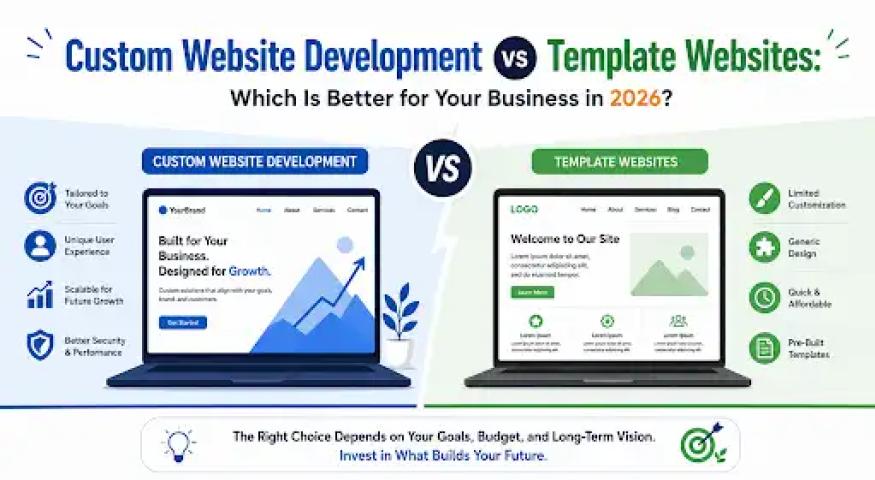
Comparing features at a functional level clarifies which package aligns with your goals. The difference between basic and advanced extends beyond price.
Your choice impacts user experience, backend operations, and future growth.
Design and User Experience
Basic packages use pre-built themes with limited design control, offering consistency but minimal differentiation.
Advanced packages provide custom UI/UX tailored to your audience, improving engagement, conversions, and brand identity.
Performance and Scalability
Basic packages handle low to moderate traffic efficiently, but performance issues can occur as traffic and product volume grow.
Advanced packages are optimized for speed and scalability, supporting high traffic, large catalogs, and peak sales periods.
Customization and Flexibility
Basic packages permit only minor layout and content changes, with limited or unavailable custom features.
Advanced packages enable deep customization, allowing businesses to create unique workflows and integrations.
Security and Compliance
Basic packages offer standard security measures, which are adequate for small operations but insufficient for complex requirements.
Advanced packages include enhanced security, compliance readiness, and proactive threat protection.
Cost Differences Between Basic and Advanced Packages
While cost is often a key factor, long-term return on investment is more important.
Understanding pricing helps you avoid overpaying or underbuilding your site.
Upfront Development Costs
Basic packages are budget-friendly and predictable, often using fixed pricing models.
Advanced packages require custom development and variable pricing, with costs based on features, integrations, and complexity.
Long-Term Operational Costs
Basic packages may seem less expensive at first but can lead to additional costs later, such as rebuilds and platform limitations.
Advanced packages help reduce future redevelopment costs and are designed for long-term stability and growth.
Platform Considerations for Each Package Type
Your chosen platform affects how well each package performs. Not all platforms support advanced features equally.
It is essential to match your package type with your platform’s capabilities.
Platforms Commonly Used for Basic Packages
Basic packages typically use easy-to-operate platforms that prioritize simplicity over flexibility.
Common choices include:
- Shopify basic plans
- WooCommerce with standard themes
- Wix eCommerce
Platforms Suitable for Advanced Packages
Advanced packages need platforms that support customization and scalability, and can handle complex requirements.
Popular options include:
- Shopify Plus
- Magento
- Custom headless commerce setups
Business Goals That Should Guide Your Choice
Let your business goals guide your package decision. Do not let short-term savings outweigh your long-term strategy.
Clear growth plans help prevent costly mistakes.
Short-Term vs Long-Term Vision
If you need fast validation, a basic package may be sufficient. It enables quick entry with minimal risk.
If growth and expansion are your priorities, advanced packages are a better fit.
Operational Complexity
Basic packages suit simple operations, while complex logistics and sales channels require advanced systems.
Evaluate your inventory size, order volume, and fulfillment workflows before making a decision.
SEO and Marketing Capabilities
SEO and marketing tools differ significantly between package types, affecting your site’s traffic and conversion rates.
Selecting the right package impacts your long-term online visibility.
SEO Features in Basic Packages
Basic packages include standard SEO settings. These cover meta tags, URLs, and basic indexing.
They are adequate for small-scale SEO but limited in competitive markets.
SEO and Marketing Power in Advanced Packages
Advanced packages provide greater SEO control and marketing integrations, supporting content strategies, personalization, and analytics, which align with recommendations from leading SEO publications to improve long-term search visibility.
They are better suited for aggressive growth and competitive markets.
When to Upgrade from Basic to Advanced
Many businesses begin with basic packages and upgrade as they grow. Proper timing of this transition is important.
Delaying an upgrade can slow growth and increase costs.
Signs You Have Outgrown a Basic Package
Clear indicators can signal when it is time to upgrade. Ignoring these signs can harm performance:
- Slow website performance
- Limited customization options
- Difficulty integrating tools
- Increasing traffic and sales volume
Planning a Smooth Transition
Upgrading requires careful planning and expert guidance. Rushing the transition can disrupt operations. Set up and define future needs before upgrading.
How to Choose the Right eCommerce Website Development Partner
The success of your package depends on your development partner. Their expertise is as important as the package features.
A strong partner aligns technology with your business goals.
What to Look for in a Development Partner
Select a partner with proven experience in both basic and advanced builds. Strategic guidance is as valuable as technical expertise.
Key qualities include:
- Platform expertise
- Transparent pricing
- Scalability planning
- Post-launch support
Questions to Ask Before Finalizing a Package
Asking the right questions helps prevent mismatched expectations. Clear communication ensures long-term satisfaction.
Inquire about scalability, support, customization limits, and upgrade options.
Conclusion
Basic and advanced eCommerce website packages serve different business stages and goals. Understanding their differences helps avoid costly mistakes.
Basic packages work well for startups and simple stores. Advanced eCommerce Website development packages support growth, customization, and scalability.
The right choice depends on your budget, vision, and operational complexity. Align your package with where your business is heading, not just where it is today.
Review your goals, assess your needs, and choose a package that supports sustainable growth.