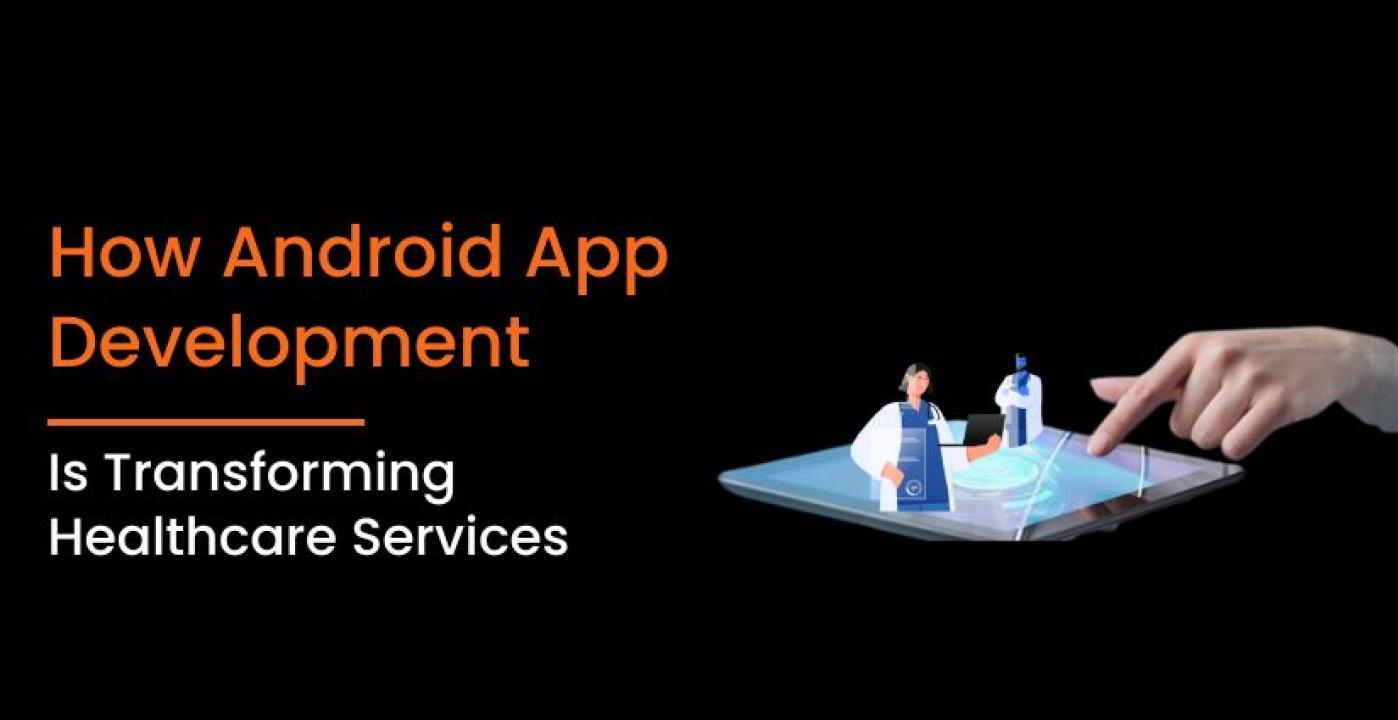
The healthcare industry is undergoing one of the most significant digital transformations in its history. From paper-based records to cloud platforms and AI-powered diagnostics, technology is reshaping how care is delivered, accessed, and managed. At the center of this evolution is Android app development, which has emerged as a powerful driver of innovation across hospitals, clinics, startups, and healthcare enterprises worldwide.
With Android holding the largest share of the global mobile operating system market, healthcare providers increasingly rely on Android applications to reach patients, streamline operations, and improve outcomes. Today, mobile health (mHealth) apps are no longer optional add-ons—they are becoming essential tools for modern healthcare systems.
This blog explores how Android app development is transforming healthcare services, the key benefits it offers, real-world use cases, and why partnering with a custom android app development company can be a strategic advantage for healthcare organizations.
The Rise of Mobile Healthcare (mHealth)
Mobile healthcare, commonly referred to as mHealth, uses smartphones, tablets, and wearable devices to support medical and public health practices. Android apps play a vital role in this ecosystem by enabling patients and providers to interact in real time, regardless of location.
Several factors have contributed to the rapid growth of healthcare Android apps:
- Widespread smartphone adoption across all demographics
- Improved mobile internet connectivity, including 4G and 5G
- Growing demand for remote care and telemedicine
- Increased focus on patient-centric healthcare models
- Advances in data security and cloud computing
As a result, healthcare app development services have become a critical investment for organizations seeking efficiency, scalability, and improved patient engagement.
Why Android Is a Preferred Platform for Healthcare Apps
Android stands out as a preferred platform for healthcare app development for several compelling reasons:
1. Global Reach and Accessibility
Android devices are available at a wide range of price points, making them accessible in both developed and emerging markets. This is especially important for healthcare initiatives targeting rural areas or underserved populations.
2. Customization and Flexibility
Android’s open-source nature allows developers to create highly customized applications tailored to specific healthcare needs, whether it’s hospital management, patient monitoring, or wellness tracking.
3. Device Compatibility
Android apps can run on smartphones, tablets, smart TVs, kiosks, and wearables, making them ideal for integrated healthcare solutions.
4. Integration with Advanced Technologies
Android apps easily integrate with AI, IoT, machine learning, and wearable sensors—technologies that are increasingly shaping modern healthcare.
Key Ways Android App Development Is Transforming Healthcare
1. Enhancing Patient Engagement and Experience
One of the biggest challenges in healthcare is maintaining consistent patient engagement. Android apps help bridge this gap by offering user-friendly interfaces that empower patients to take control of their health.
Through Android healthcare apps, patients can:
- Book appointments and receive reminders
- Access electronic health records (EHRs)
- Track medications and treatment plans
- Communicate with doctors via chat or video
- Receive personalized health tips
This level of engagement leads to better adherence to treatments, improved satisfaction, and stronger patient-provider relationships.
2. Enabling Telemedicine and Remote Care
Telemedicine has experienced massive growth, especially in recent years. Android app development has played a critical role in making remote healthcare services widely accessible.
Telemedicine Android apps allow:
- Video and audio consultations
- Secure file sharing (reports, prescriptions, scans)
- Remote diagnosis and follow-ups
- Reduced hospital visits and wait times
For patients in remote or rural areas, these apps eliminate geographical barriers, ensuring timely access to quality care.
3. Streamlining Hospital and Clinical Operations
Healthcare providers face increasing pressure to reduce administrative burdens while improving efficiency. Android apps designed for internal use help hospitals streamline workflows and optimize resources.
Examples include:
- Staff scheduling and shift management apps
- Inventory and pharmacy management systems
- Digital patient admission and discharge processes
- Real-time alerts for emergencies
By automating repetitive tasks, Android apps allow healthcare professionals to focus more on patient care and less on paperwork.
4. Supporting Remote Patient Monitoring
Remote patient monitoring (RPM) is transforming how chronic conditions are managed. Android apps connected to wearable devices and medical sensors enable continuous tracking of patient health data.
Common monitoring features include:
- Heart rate and blood pressure tracking
- Blood glucose monitoring for diabetes patients
- Oxygen saturation levels
- Activity and sleep patterns
This real-time data allows doctors to detect early warning signs, intervene promptly, and reduce hospital readmissions.
5. Improving Data Management and Analytics
Healthcare generates vast amounts of data, and managing it effectively is crucial for informed decision-making. Android apps integrated with cloud platforms provide secure and centralized access to patient data.
Benefits include:
- Faster access to medical records
- Reduced errors from manual data entry
- Advanced analytics for diagnosis and treatment planning
- Population health management insights
With proper security protocols, Android apps ensure data privacy while enabling seamless information flow across departments.
Role of Custom Android App Development in Healthcare
Every healthcare organization has unique requirements based on its size, specialty, target audience, and regulatory environment. Off-the-shelf solutions often fail to address these complexities.
This is where a custom android app development company adds value.
Advantages of Custom Healthcare Android Apps
Tailored features aligned with specific workflows
- Compliance with healthcare regulations (HIPAA, GDPR, etc.)
- Scalable architecture for future growth
- Enhanced security and data protection
- Seamless integration with existing systems
Custom solutions ensure that healthcare apps are not only functional but also aligned with long-term business and clinical goals.
Security and Compliance in Healthcare Android Apps
Security is a top priority in healthcare app development. Android healthcare apps handle sensitive patient information, making them a target for cyber threats if not properly secured.
Key security measures include:
- End-to-end data encryption
- Secure authentication and role-based access
- Regular security audits and updates
- Compliance with healthcare regulations
Professional healthcare app development services ensure that applications meet industry standards and protect patient trust.
The Cost Factor: Understanding Android App Development Cost in Healthcare
One of the most common questions healthcare organizations ask is about android app development cost. The answer depends on several factors:
Factors Affecting Development Cost
-
App Complexity
Simple apps with basic features cost significantly less than advanced apps with AI, real-time monitoring, or third-party integrations. -
Design and User Experience
Healthcare apps require intuitive, accessible designs, which may increase development time and cost. -
Compliance and Security Requirements
Meeting regulatory standards adds to development efforts but is essential. -
Integration Needs
Connecting the app with EHR systems, wearable devices, or hospital databases affects cost. -
Development Team Location and Expertise
Costs vary depending on whether you work with local teams or offshore development partners.
While healthcare Android app development requires a significant investment, the long-term ROI in terms of efficiency, patient satisfaction, and scalability often outweighs the initial cost.
Real-World Use Cases of Android Apps in Healthcare
1. Chronic Disease Management
Android apps help patients manage conditions like diabetes, hypertension, and asthma through monitoring, reminders, and personalized insights.
2. Mental Health Support
Mobile apps provide access to therapy sessions, mood tracking, meditation, and crisis support, making mental healthcare more accessible.
3. Fitness and Preventive Care
Wellness apps encourage healthier life>
4. Emergency Response Systems
Android apps enable faster emergency communication, ambulance tracking, and hospital preparedness.
Future Trends in Android Healthcare App Development
The future of Android app development in healthcare looks promising, driven by emerging technologies such as:
Artificial Intelligence and Machine Learning for predictive diagnostics
IoT integration with smart medical devices
Blockchain for secure health data exchange
Augmented Reality (AR) for medical training and surgery assistance
As these technologies mature, Android apps will play an even greater role in delivering intelligent, connected, and personalized healthcare experiences.
Choosing the Right Healthcare App Development Partner
Selecting the right partner is critical to the success of your healthcare app. A reliable provider of healthcare app development services should offer:
- Proven experience in healthcare projects
- Strong understanding of compliance and security
- End-to-end development and support
- Transparent communication and cost estimates
Working with a trusted custom android app development company ensures your app is built to industry standards and future-ready.
Conclusion
Android app development is no longer just a technological trend—it is a transformative force reshaping healthcare services worldwide. From improving patient engagement and enabling telemedicine to streamlining hospital operations and supporting remote monitoring, Android apps are redefining how care is delivered and experienced.
While the android app development cost may vary depending on complexity and requirements, the long-term benefits in efficiency, accessibility, and patient outcomes make it a worthwhile investment. By leveraging professional healthcare app development services and choosing the right development partner, healthcare organizations can unlock the full potential of mobile technology.