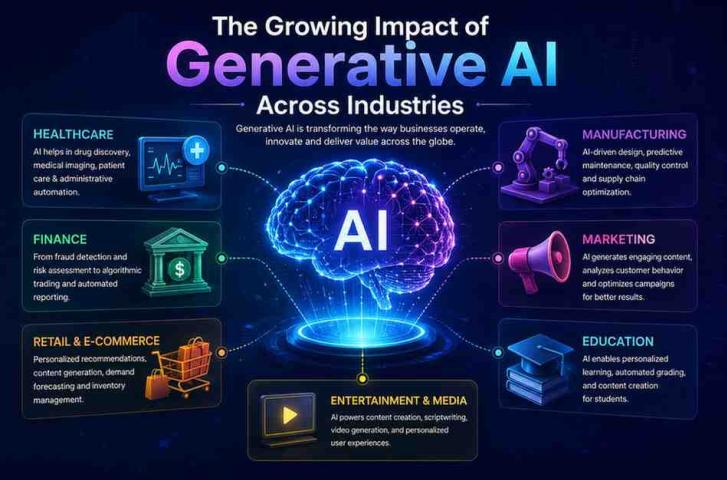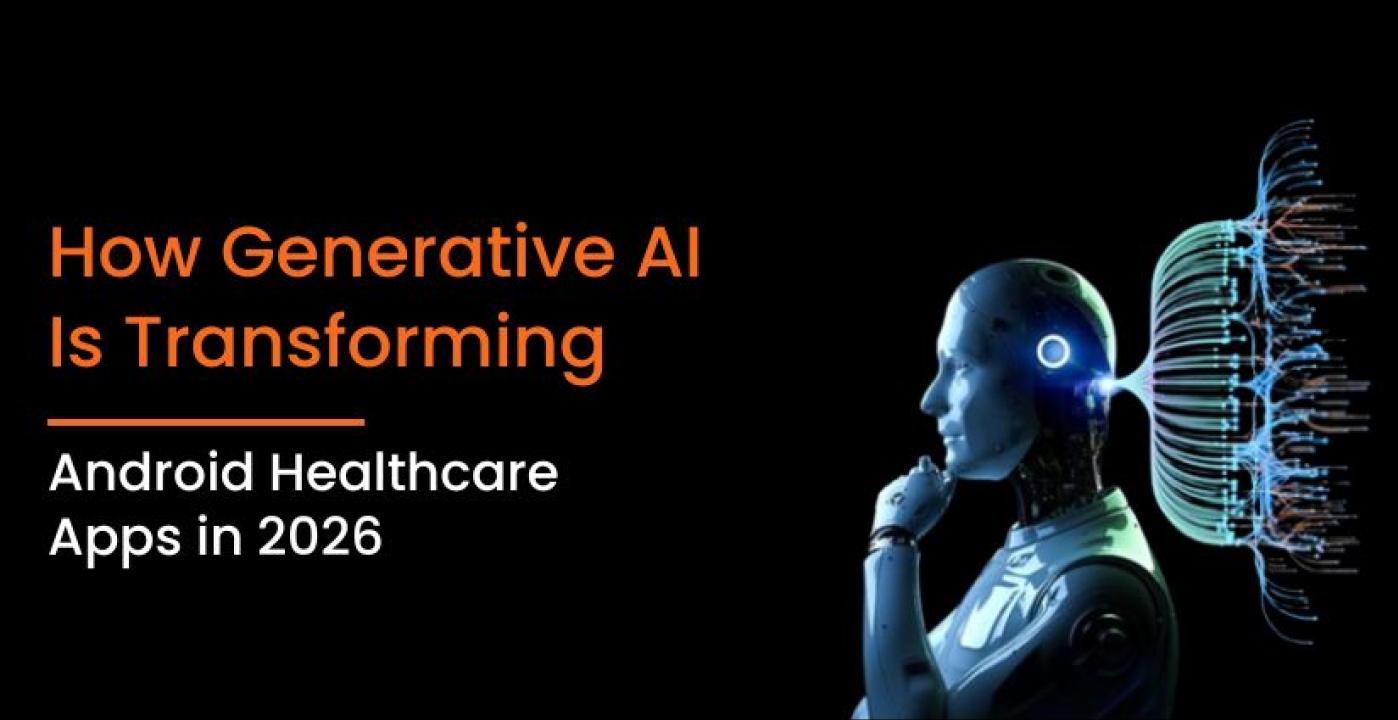
The healthcare industry has always been at the forefront of technological innovation, but 2026 marks a defining moment. The convergence of Generative AI and Android app development is reshaping how healthcare apps are built, deployed, and experienced. From personalized patient care to intelligent diagnostics and operational automation, generative AI is no longer experimental—it is foundational.
Android, as the world’s most widely used mobile operating system, plays a critical role in bringing these AI-powered healthcare solutions to scale. Combined with Healthcare app development services, Generative AI Development Services, and the expertise of a Custom Android app development Company, healthcare providers are delivering smarter, faster, and more human-centric digital health experiences.
This blog explores how generative AI is transforming Android healthcare apps in 2026, the key use cases driving adoption, the benefits and challenges, and what the future holds.
Understanding Generative AI in Healthcare
Generative AI refers to advanced artificial intelligence models capable of creating new content—text, images, audio, code, and even synthetic data—based on learned patterns. Unlike traditional AI, which focuses on prediction and classification, generative AI excels at creation, reasoning, and contextual understanding.
Common Generative AI Models in Healthcare
- Large Language Models (LLMs) for medical text and conversations
- Diffusion and GAN models for medical imaging
- Multimodal AI combining text, images, and sensor data
- AI copilots embedded within healthcare applications
In healthcare, these models are being applied to improve patient engagement, clinical efficiency, diagnostics, and decision-making—especially within mobile environments like Android apps.
Why Android Is the Ideal Platform for AI-Powered Healthcare Apps
Android continues to dominate the global smartphone market in 2026, making it the preferred platform for scalable healthcare innovation.
Key Reasons Android Leads AI Healthcare Adoption
- Global reach across diverse patient populations
- Seamless integration with wearables and IoT devices
- Flexible open-source architecture
- Strong support for on-device and cloud-based AI
- Compatibility with modern AI frameworks
For organizations offering Healthcare app development services, Android provides the perfect balance of accessibility, performance, and innovation.
How Generative AI Is Transforming Android Healthcare Apps
1. AI-Powered Virtual Health Assistants
One of the most visible transformations is the rise of AI-driven virtual health assistants embedded directly into Android apps.
These assistants can:
- Answer patient queries in natural language
- Provide medication reminders and dosage guidanc
- Assist with symptom checking and triage
- Support mental health conversations
- Offer life>
Powered by generative AI, these assistants feel conversational and empathetic rather than scripted, significantly improving patient engagement.
A Custom Android app development Company can tailor these AI assistants to specific medical domains while ensuring compliance with healthcare regulations.
2. Personalized Care at Scale
Generative AI enables Android healthcare apps to deliver hyper-personalized experiences—a major leap from static, rule-based systems.
Examples of AI-Driven Personalization
- Customized care plans based on patient history
- Adaptive medication schedules
- Personalized nutrition and fitness recommendations
- Tailored mental health interventions
By analyzing vast datasets, generative AI creates individualized insights that evolve with the patient, making healthcare apps far more effective and relevant.
3. Clinical Documentation and Medical Writing Automation
In 2026, clinicians are increasingly using Android apps to reduce administrative burden—and generative AI is leading the charge.
AI-powered features include:
- Automated clinical note generation
- Voice-to-text medical transcription
- Discharge summaries and reports
- Patient education content creation
These capabilities allow healthcare professionals to spend more time with patients and less time on paperwork, improving both efficiency and care quality.
4. Smarter Diagnostics and Decision Support
Generative AI is revolutionizing diagnostics by enhancing clinical decision support systems within Android healthcare apps.
Key Applications
- AI-generated diagnostic suggestions
- Pattern recognition in medical images
- Risk prediction for chronic diseases
- Clinical pathway recommendations
Android apps act as the delivery interface, presenting AI insights in an intuitive and actionable manner for doctors and specialists.
5. Advanced Medical Imaging and Visualization
With generative AI, Android healthcare apps can now:
- Enhance low-quality medical images
- Generate synthetic images for training and testing
- Assist in identifying anomalies in X-rays, MRIs, and CT scans
These capabilities are particularly valuable in remote and resource-limited settings, expanding access to high-quality diagnostics.
Role of Generative AI Development Services in Healthcare Apps
Building generative AI-powered healthcare applications is complex. This is where Generative AI Development Services become critical.
What These Services Offer
- AI model selection and customization
- Integration of LLMs with Android apps
- Data pipeline design and management
- Model training, fine-tuning, and deployment
- Ethical AI and bias mitigation
When combined with Healthcare app development services, these offerings ensure AI solutions are clinically accurate, scalable, and secure.
Security, Privacy, and Compliance in 2026
As generative AI becomes more deeply embedded in healthcare apps, data security and regulatory compliance are more important than ever.
Key Compliance Considerations
- HIPAA, GDPR, and regional healthcare laws
- Secure data encryption and access control
- AI audit trails and explainability
- Ethical use of patient data
A professional Custom Android app development Company designs AI-powered apps with security-by-design principles, ensuring patient trust and regulatory alignment.
Challenges of Integrating Generative AI into Android Healthcare Apps
Despite its transformative potential, generative AI adoption comes with challenges.
Key Challenges
- High computational and infrastructure costs
- Ensuring clinical accuracy and reliability
- Managing bias in AI-generated outputs
- Balancing on-device vs cloud-based AI processing
- Meeting strict regulatory requirements
Experienced providers of Healthcare app development services help organizations navigate these challenges through robust architecture and governance frameworks.
Generative AI and Remote Patient Monitoring (RPM)
Generative AI is significantly enhancing Android-based Remote Patient Monitoring solutions.
AI-Enhanced RPM Capabilities
- Automated analysis of patient-generated health data
- Predictive alerts for potential health risks
- Natural-language summaries of patient trends
- Personalized engagement messages for adherence
Android apps act as the central hub, enabling real-time communication between patients, caregivers, and providers.
Why Businesses Need a Custom Android App Development Company
Healthcare AI solutions cannot be generic. Every organization has unique workflows, patient demographics, and compliance needs.
Benefits of Custom Android Development
- Tailored UI/UX for patients and clinicians
- Scalable architecture for AI and data growth
- Seamless integration with EHRs and medical devices
- Faster innovation cycles
- Long-term maintainability
Partnering with a Custom Android app development Company ensures that generative AI features are aligned with both business goals and clinical realities.
The Business Impact of Generative AI in Healthcare Apps
Beyond clinical outcomes, generative AI delivers significant business value.
Key Benefits
- Reduced operational costs
- Improved clinician productivity
- Higher patient engagement and retention
- Faster time to diagnosis and treatment
- Competitive differentiation in digital health markets
For healthcare startups and enterprises alike, AI-powered Android apps are becoming a strategic necessity rather than a luxury.
Future Trends: What Comes Next After 2026?
The evolution of generative AI in Android healthcare apps is far from over.
Emerging Trends
- Multimodal AI combining voice, text, images, and sensor data
- AI-powered digital twins of patients
- Real-time AI inference on edge devices
- Greater integration with wearable and implantable devices
- Increased focus on explainable and trustworthy AI
Android’s flexibility and continuous innovation ensure it will remain a central platform for these advancements.
Conclusion
In 2026, Generative AI is fundamentally transforming Android healthcare apps, shifting them from passive tools into intelligent, adaptive, and deeply personalized healthcare companions. From virtual assistants and automated documentation to smarter diagnostics and predictive care, generative AI is redefining what mobile healthcare applications can achieve.
However, unlocking this potential requires the right expertise. By combining Generative AI Development Services, Healthcare app development services, and the capabilities of a trusted Custom Android app development Company, healthcare organizations can build secure, compliant, and future-ready applications that truly improve patient outcomes.