For decades, enterprises have relied on software to automate processes, manage data, and improve operational efficiency. While these systems transformed how businesses operate, they were built around predefined rules and workflows. As market conditions become more dynamic and data volumes continue to grow, traditional software alone is no longer enough to support fast, informed decision-making.
Enterprise AI Adoption refers to the process of embedding artificial intelligence into business operations, products, and decision-making frameworks to create measurable business value. Unlike conventional software that follows fixed instructions, AI systems can analyze patterns, generate insights, learn from data, and support decisions in real time.
This shift is giving rise to intelligence-centric enterprises. These organizations are moving beyond simple automation and embracing systems that can augment human expertise, improve operational agility, and uncover opportunities that would otherwise remain hidden within vast amounts of enterprise data. As a result, AI is no longer viewed as an experimental technology. It is becoming a strategic capability that influences growth, innovation, and long-term competitiveness.
The organizations that successfully adopt AI today are positioning themselves to respond faster to change, make smarter decisions, and build a sustainable advantage in an increasingly intelligence-driven economy.
Why Software-Centric Enterprises Are Reaching Their Limits
Traditional enterprise software was designed to standardize processes and improve efficiency. From ERP and CRM platforms to workflow automation tools, these systems helped organizations scale operations by creating structured, repeatable processes. For many years, this approach delivered significant business value.
However, today's business environment presents challenges that conventional software was never designed to solve. Organizations generate massive amounts of data across departments, customer touchpoints, and digital platforms. The challenge is no longer collecting information. It is extracting meaningful insights quickly enough to support strategic decisions.
Software-centric systems operate within predefined rules. They can process transactions, execute workflows, and generate reports, but they struggle when faced with ambiguity, changing conditions, or complex decision-making scenarios. As markets evolve faster and customer expectations continue to rise, enterprises need systems that can adapt and respond intelligently.
Another limitation is the growing complexity of enterprise operations. Business leaders often depend on multiple disconnected systems that store valuable information in separate environments. While these systems may function effectively on their own, they frequently create barriers to collaboration and delay access to actionable insights.
This challenge becomes even more apparent when organizations attempt to scale innovation. Teams spend considerable time searching for information, analyzing data manually, and coordinating decisions across departments. These inefficiencies can slow execution and limit an organization's ability to respond to new opportunities.
As a result, many enterprises are recognizing that software alone cannot provide the level of intelligence required to compete in a rapidly changing business landscape. This realization is driving a broader shift toward Enterprise AI Adoption, where systems are designed not only to automate tasks but also to support smarter and faster decision-making.
Enterprise AI Adoption Is Creating a New Operating Model
As organizations look beyond traditional software, they are beginning to rethink how work gets done across the enterprise. The focus is shifting from managing systems and processes to enabling intelligence at every level of the organization. This evolution is at the heart of Enterprise AI Adoption.
Unlike conventional technologies that rely on predefined workflows, AI-powered systems can analyze large volumes of data, identify patterns, and generate recommendations that help teams make better decisions. This capability allows enterprises to move from reactive operations to proactive and predictive business models.
The impact extends far beyond automation. Sales teams can identify opportunities more effectively, customer service departments can provide faster and more personalized support, and executives can gain deeper visibility into business performance. AI enables organizations to transform information into actionable intelligence, reducing the time required to move from insight to execution.
An intelligence-centric enterprise also changes how knowledge is managed and shared. Instead of employees spending hours searching for information across multiple systems, AI can surface relevant insights when and where they are needed. This improves productivity while helping teams make more informed decisions.
For technology leaders, Enterprise AI Adoption is becoming a critical component of long-term business strategy. Organizations that successfully integrate AI into their operations are better positioned to adapt to changing market conditions, improve efficiency, and create new sources of value.
The transition does not happen overnight. It requires a clear AI adoption strategy, strong leadership alignment, and a commitment to building the right technological foundation. However, enterprises that embrace this shift are creating operating models designed for a future where intelligence becomes as important as software itself.
Key Pillars of Successful Enterprise AI Adoption
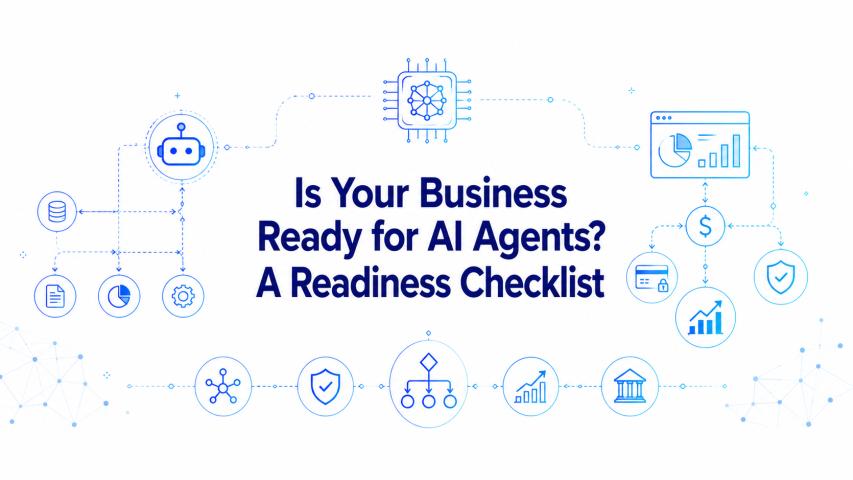
While the benefits of AI are compelling, successful adoption requires more than deploying new technologies. Many organizations launch AI initiatives with ambitious goals but struggle to achieve meaningful outcomes because the foundational elements are not in place. Enterprises that consistently generate value from AI tend to focus on a few critical pillars that support long-term success.
Data Readiness
AI systems are only as effective as the data behind them. If information is scattered across departments, stored in inconsistent formats, or filled with gaps, the quality of AI output will suffer.
Enterprises need clean, accessible, and well-structured data before they can expect reliable insights. This means improving data quality, reducing silos, and creating a foundation that AI can trust.
AI Governance
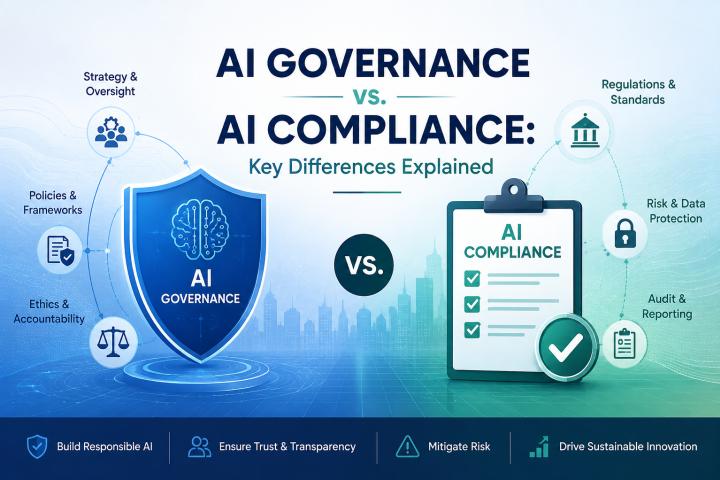
As AI becomes part of daily operations, governance becomes essential. Leaders need clear policies that define how AI is built, tested, deployed, and monitored across the organization.
Strong governance helps ensure transparency, security, compliance, and accountability. It also gives employees and stakeholders confidence that AI is being used responsibly.
Enterprise-Wide Scalability
Many AI projects work well in pilot mode but fail when organizations try to expand them. This usually happens when solutions are built for one team or one use case without thinking about broader adoption.
A scalable AI approach should integrate with existing systems and support multiple business functions. It should also be flexible enough to grow as business needs and market conditions change.
Change Management and Talent Enablement
Enterprise AI Adoption is not only a technology shift, it is also a people shift. Employees need to understand how AI will affect their roles, workflows, and decision-making processes.
Without proper change management, even strong AI solutions can face resistance. Training, communication, and leadership support help teams adopt AI with confidence and use it effectively.
Business Alignment and ROI Measurement
AI initiatives must be tied to clear business goals. If an organization cannot explain how a project improves efficiency, customer experience, revenue, or decision-making, it becomes difficult to justify continued investment.
Measuring ROI helps leaders prioritize the right use cases and avoid wasted effort. It also ensures that AI adoption stays aligned with business strategy rather than becoming a disconnected technology experiment.
When these pillars work together, organizations can move beyond experimentation and build a sustainable foundation for becoming intelligence-centric enterprises.
Moving From AI Adoption to Enterprise Intelligence
Adopting AI is an important milestone, but adoption alone does not create a competitive advantage. The real value emerges when AI becomes embedded into the way an organization operates, collaborates, and makes decisions. This is the point where enterprises begin evolving from AI-enabled businesses into truly intelligence-centric organizations.
Many enterprises start with isolated AI use cases such as customer support automation, predictive analytics, or workflow optimization. While these initiatives often deliver measurable results, long-term success requires a broader vision. Leaders must think about how intelligence can be integrated across departments, systems, and business functions to create enterprise-wide impact.
This is where implementation becomes just as important as strategy. Organizations seeking to accelerate Enterprise AI Adoption often invest in Generative AI Services to build intelligent applications, automate knowledge-intensive workflows, enhance employee productivity, and improve decision-making at scale. Rather than treating AI as a standalone technology, these organizations use it as a strategic capability that supports growth and innovation.
The most successful enterprises understand that intelligence is not confined to a single department or platform. It becomes part of the organization's operating model, helping teams access insights faster, reduce manual effort, and respond more effectively to changing business conditions.
As AI technologies continue to mature, the gap between software-centric and intelligence-centric enterprises will become increasingly visible. Organizations that invest in the right foundations today will be better prepared to unlock new opportunities, improve operational performance, and maintain a sustainable competitive advantage in the years ahead.
Conclusion
The shift from software-centric to intelligence-centric enterprises is no longer a future trend. It is already reshaping how organizations compete, innovate, and create value. While traditional software remains an important part of enterprise operations, businesses increasingly need systems that can learn, adapt, and generate insights in real time.
Successful Enterprise AI Adoption requires more than technology investment. It depends on data readiness, governance, scalability, talent enablement, and alignment with business objectives. Organizations that establish these foundations today will be better positioned to unlock the full potential of AI and build a lasting competitive advantage.
As intelligence becomes a core business capability, the enterprises that embrace this transformation will be the ones best equipped to navigate uncertainty, accelerate innovation, and lead their industries forward.