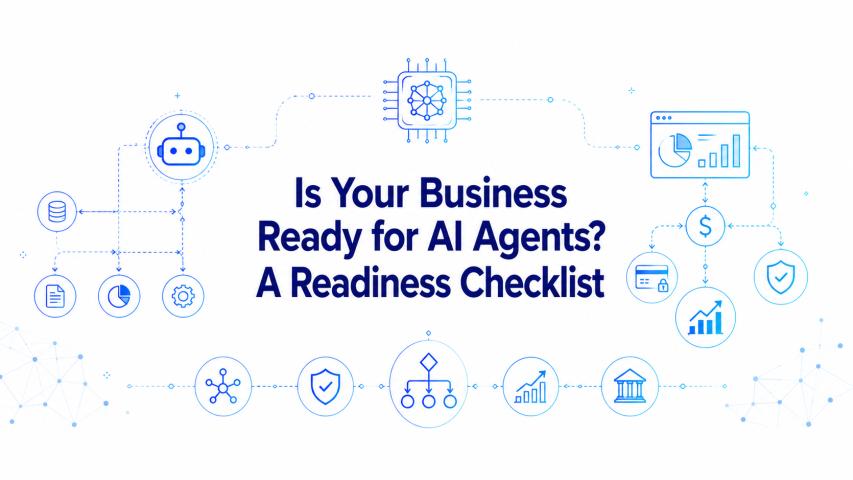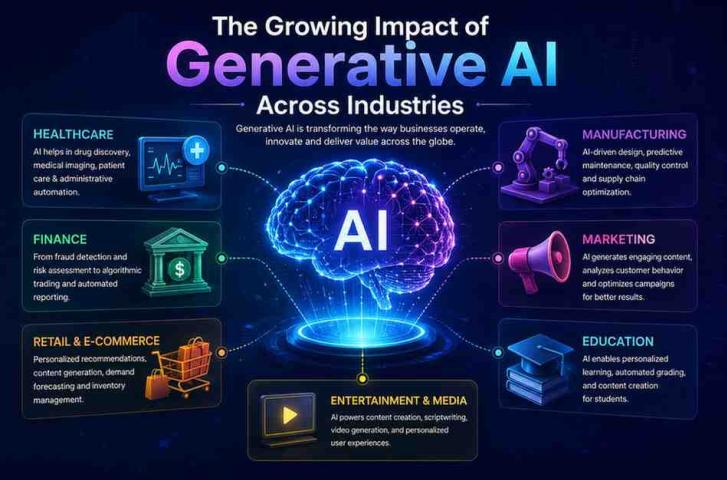

Artificial intelligence is no longer a technical upgrade – it’s reshaping executive decision-making and business strategy. AI is reshaping how senior executives think, decide, and lead. What was once considered a technical enhancement is now a strategic imperative, forcing the C-suite to rethink traditional business models, competitive strategies, and leadership approaches. With studies showing that over 80% of executives now treat AI as a strategic priority, the shift toward an AI mindset is both measurable and irreversible.
This evolution is driven by powerful forces – intensifying competition, rising customer expectations, explosive data growth, workforce transformation, and increasing pressure from boards and investors. Business leaders are realizing that legacy playbooks no longer deliver results in a landscape defined by speed, intelligence, and predictive insight. AI enables organizations to uncover patterns hidden in vast data sets, anticipate risks before they materialize, personalize customer experiences, and optimize decision-making at scale.
However, adopting an AI mindset is not without challenges. Executives must address employee concerns around job displacement, navigate complex build-versus-buy decisions, measure ROI effectively, and keep pace with rapidly evolving technologies—all while maintaining day-to-day business performance. Success requires more than tools; it demands cultural change, ethical governance, and strong human oversight.
This article explores the key drivers behind the AI mindset transformation in the C-suite, the obstacles leaders face during adoption, and practical recommendations to embed AI thinking into leadership and organizational DNA. For executives seeking long-term relevance, resilience, and growth, developing an AI mindset is no longer optional – it is essential for leading confidently in the next era of business.