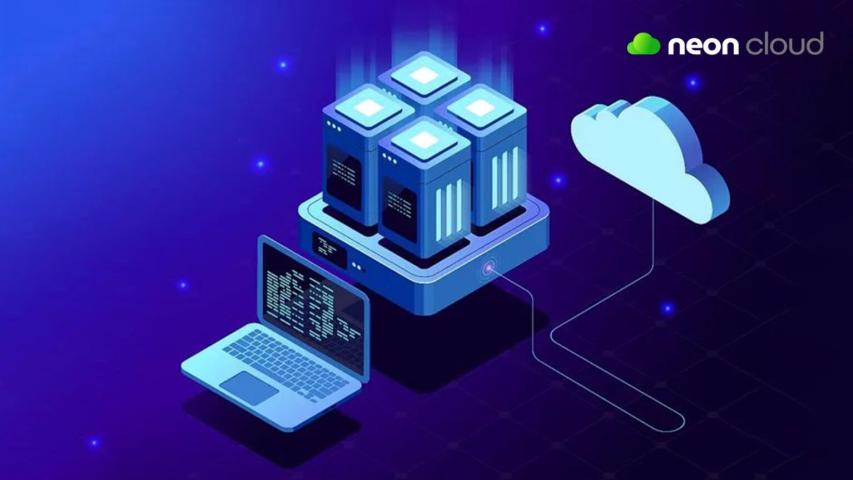
As organizations move more workloads to the cloud, storage plays a crucial role in ensuring performance, reliability, and scalability. One of the most widely used storage models in cloud environments is cloud block storage, a technology designed to support modern IT infrastructure and demanding applications.
What Is Cloud Block Storage?
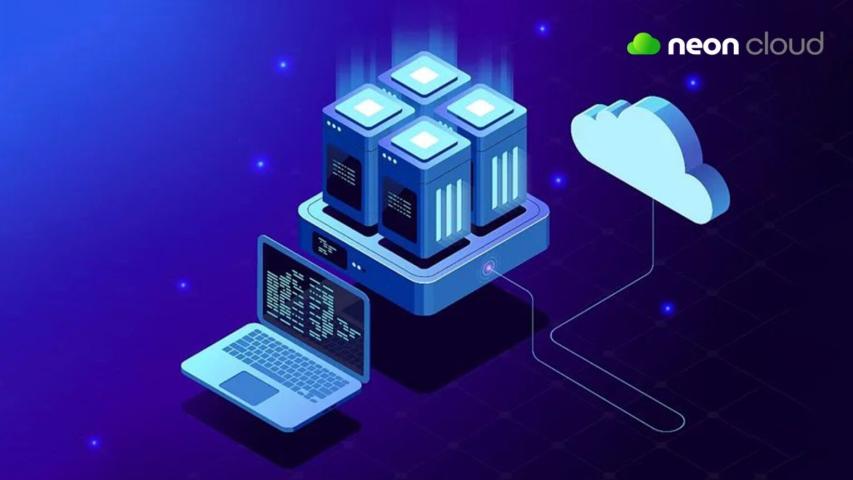
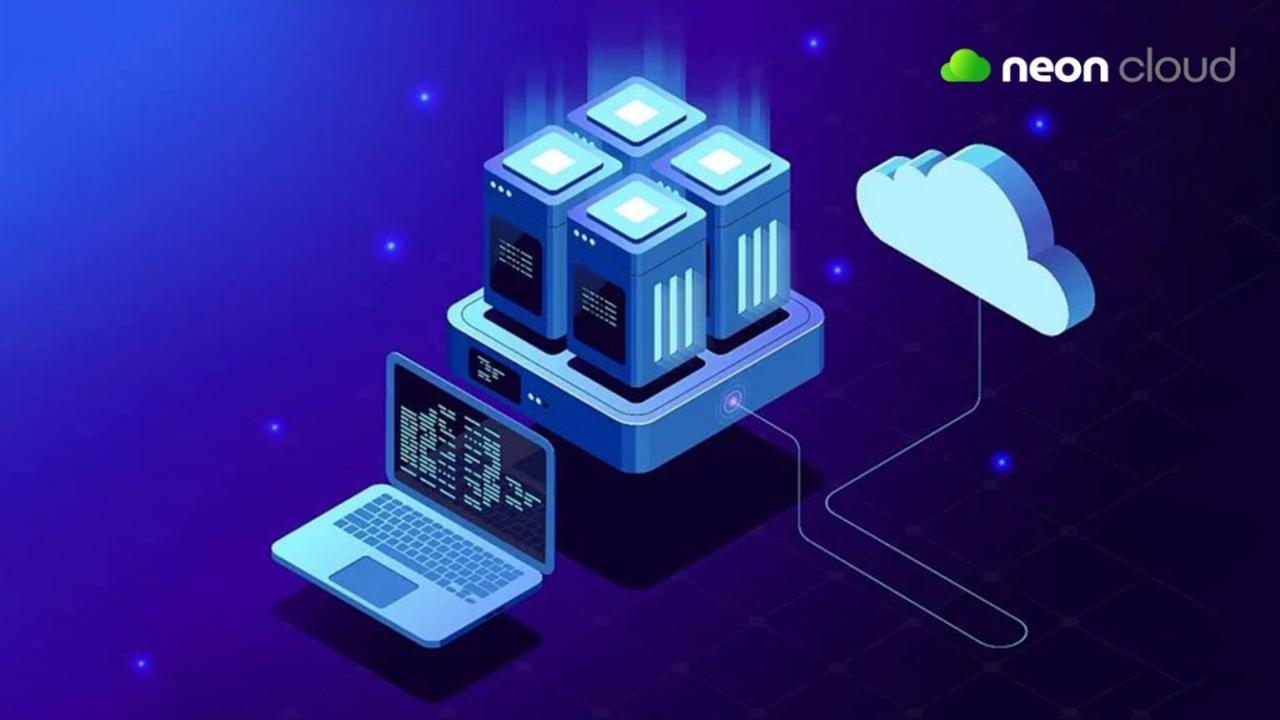
Cloud block storage is a type of data storage where information is divided into fixed-size blocks and stored across cloud-based systems. These blocks are then attached to virtual machines or servers, functioning much like a physical hard drive. cloud block storage Because each block can be accessed independently, applications can retrieve and write data quickly and efficiently.
This storage model is especially suitable for workloads that require frequent, low-latency access to data, such as databases, operating systems, and enterprise applications.
Key Benefits of Cloud Block Storage
Cloud block storage offers several advantages that make it essential for modern IT environments:
High Performance
It provides low latency and consistent input/output operations, ensuring reliable application performance.Scalability
Storage volumes can be resized easily as business needs grow, without downtime or complex migrations.Flexibility
Cloud block storage supports a wide range of operating systems and applications, making it adaptable to diverse IT environments.
Why Cloud Block Storage Matters for Modern IT
Modern IT systems demand speed, reliability, and the ability to scale rapidly. Cloud block storage meets these needs by allowing IT teams to deploy applications faster and manage infrastructure more efficiently. It eliminates the limitations of traditional on-premises storage while providing enterprise-grade performance in the cloud.
Additionally, cloud block storage supports virtualization and containerized environments, which are foundational to modern DevOps and cloud-native architectures. Its ability to integrate seamlessly with cloud compute services makes it a core component of digital transformation strategies.
Security and Reliability
Security is another reason cloud block storage matters. Most solutions include encryption, automated backups, and data replication across multiple locations. These features help protect sensitive information and ensure business continuity, even during hardware failures or outages.
Conclusion
Cloud block storage is a foundational technology for modern IT. Neon Cloud By offering high performance, scalability, flexibility, and security, it enables organizations to run critical applications efficiently in the cloud. As businesses continue to adopt cloud-first strategies, cloud block storage remains a key enabler of innovation and operational success.