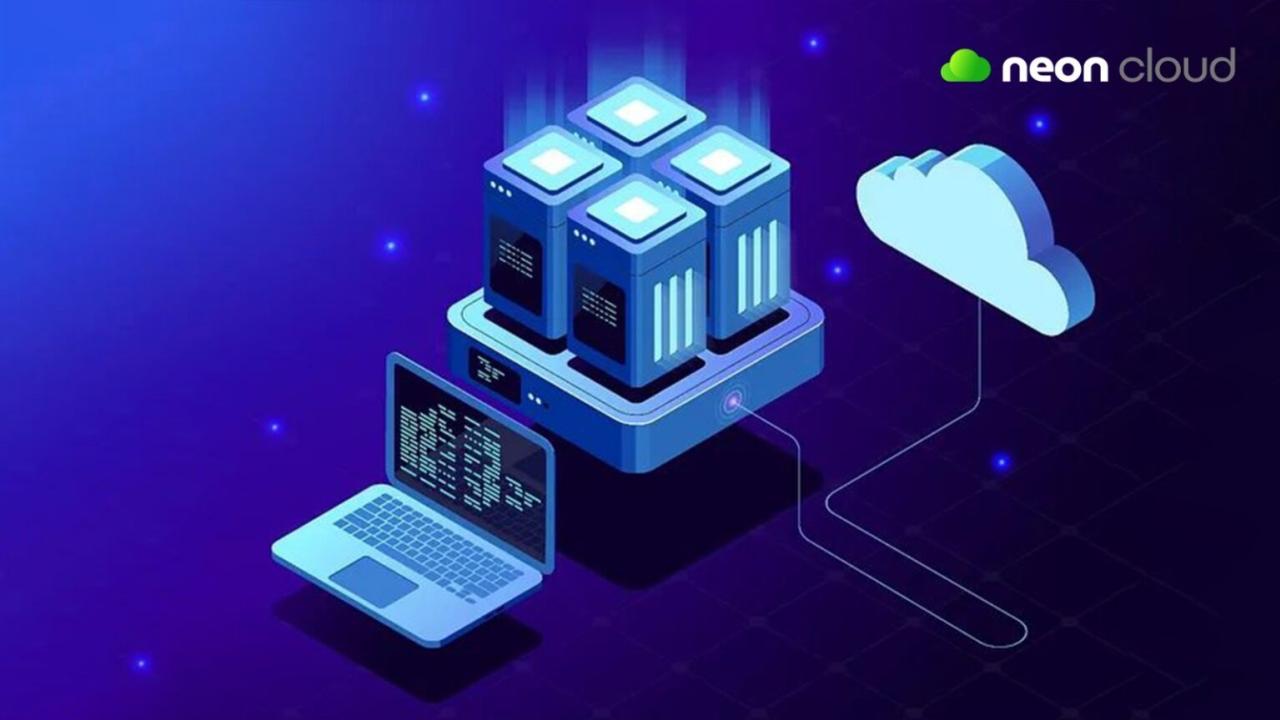

Cloud block storage has become a foundational technology for businesses of all sizes, powering databases, virtual machines, and mission-critical applications. As we step further into 2026, the landscape of cloud block storage continues to evolve rapidly — driven by performance demands, cost efficiency, and the need for greater data control. In this article, we’ll explore the trends and innovations shaping the future of cloud block storage.
What Is Cloud Block Storage?
Cloud block storage breaks data into fixed-sized blocks, each acting as an independent hard drive volume. These blocks are managed by a cloud provider and can be attached to virtual machines or applications. cloud block storage The structure delivers high performance and low latency, making it ideal for transactional databases, business-critical applications, and workloads that demand fast read/write operations.
Trend 1: Blazing Performance with NVMe and Persistent Memory
One of the biggest trends in 2026 is the widespread adoption of NVMe (Non-Volatile Memory Express) and persistent memory technologies. NVMe storage provides significantly faster I/O performance compared to traditional SSDs. This means applications like real-time analytics, high-frequency trading platforms, and large-scale databases can perform faster with significantly lower latency.
Persistent memory, meanwhile, bridges the gap between memory and storage — enabling even quicker data access. As cloud providers integrate these advanced technologies into block storage offerings, customers benefit from near-in-memory speeds without sacrificing durability.
Trend 2: AI-Enabled Storage Optimization
Artificial intelligence and machine learning are no longer buzzwords — they are active components of modern storage solutions. Cloud block storage platforms now use AI to:
Predict storage demand and proactively allocate resources
Optimize performance by dynamically tiering data
Detect anomalies and preemptively protect against failures
This AI-driven intelligence helps reduce operational costs while enhancing uptime and data security.
Trend 3: Enhanced Security and Data Sovereignty
In an era of increasing cyber threats and strict data laws, security and compliance are top priorities. Cloud block storage in 2026 includes features such as:
End-to-end encryption
Zero-trust access controls
Native backup and disaster recovery solutions
Geo-fencing to adhere to data residency regulations
These innovations help businesses meet regulatory requirements while safeguarding sensitive information.
Trend 4: Cost-Effective Elastic Scaling
Cloud block storage is becoming more elastic and cost-efficient. Providers now offer flexible scaling options that let businesses pay only for the storage they use, with automated scaling as needs grow. Tiered pricing and intelligent caching further help manage costs without compromising performance.
Final Thoughts
The future of cloud block storage in 2026 is bright and packed with innovations that deliver speed, intelligence, and security. Neon Cloud As enterprise workloads become more complex and data-driven, choosing the right block storage solution — one that embraces these trends — will be critical for staying competitive. Whether you’re running AI workloads, large databases, or mission-critical applications, the advancements in cloud block storage promise to empower businesses well into the future.