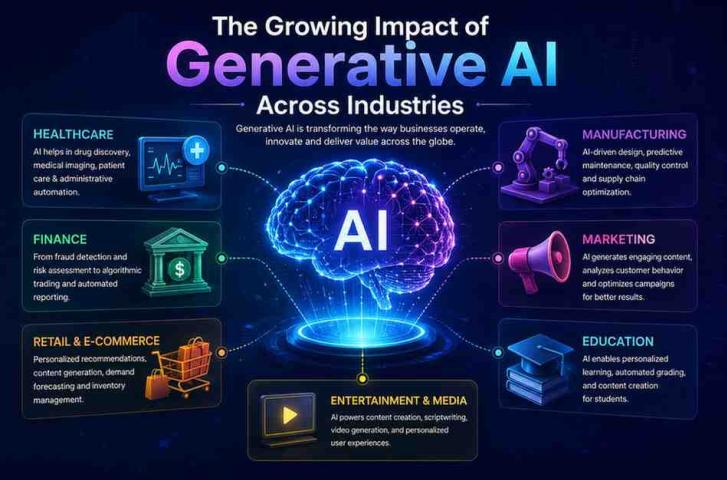
The rapid advancement of artificial intelligence has transformed the landscape of software development. Among the most impactful innovations is generative AI, which empowers applications to produce content, automate creative workflows, and provide personalized user experiences. Businesses are increasingly adopting generative AI solutions to stay competitive, but one major consideration remains: understanding the cost of generative AI app development. Knowing the factors that influence pricing is essential for proper budgeting and strategic planning.
What Makes Generative AI Apps Unique
Generative AI applications differ from traditional software because they are designed to create rather than just process or analyze data. These apps leverage technologies such as Generative Adversarial Networks (GANs), large language models (LLMs), and diffusion models to generate outputs like text, images, audio, or even code. The ability of these apps to learn from user interactions and improve over time provides businesses with innovative ways to engage users, automate tasks, and deliver scalable solutions.
Unlike conventional software, generative AI apps are dynamic. They can adapt to changing trends, user behavior, and emerging data patterns. This adaptability makes them highly valuable but also adds complexity to their development and directly influences costs.
Factors Affecting Generative AI App Development Cost
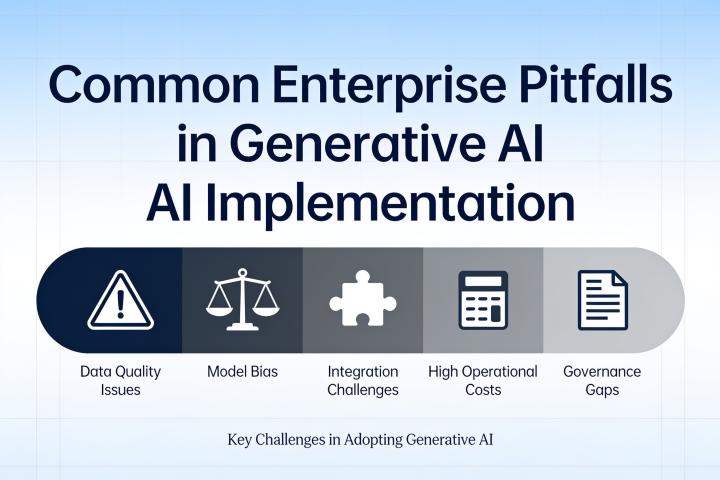
Several key factors contribute to the cost of developing a generative AI application. The complexity of the AI model is a primary consideration. While simpler apps can leverage pre-trained models, advanced solutions may require custom-built architectures capable of handling multi-modal data or generating highly sophisticated outputs. These complex models require specialized expertise and longer development cycles, increasing the overall investment.
Data acquisition and preparation also play a significant role in costs. High-quality datasets are necessary to train AI models effectively. Businesses may need to collect proprietary data, clean and annotate it, or acquire licensed datasets, all of which can be expensive and time-consuming. The more data-intensive the app, the higher the associated costs.
The choice of deployment platform further influences cost. Mobile apps, web-based platforms, and enterprise-grade software each come with different development requirements. Cloud deployment can lower upfront infrastructure expenses but introduces recurring subscription costs, while on-premises solutions require investment in hardware and IT management. Multi-platform deployment adds additional complexity and development time.
Importance of User Interface and Experience
Even the most sophisticated AI model is ineffective if users cannot interact with it easily. A carefully designed user interface and experience is critical for the adoption and success of generative AI apps. The interface must allow users to understand outputs, interact intuitively, and access features efficiently. Well-designed UI/UX ensures that AI-generated content is actionable, enhances engagement, and improves overall user satisfaction.
Integration and System Compatibility
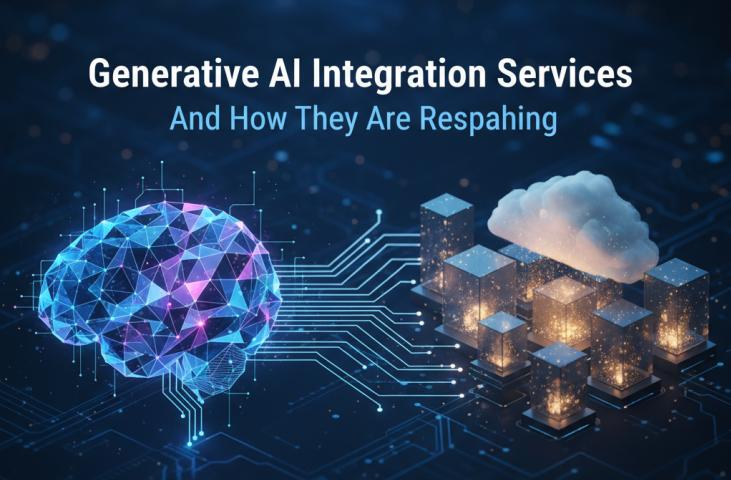
Generative AI apps often need to work in harmony with existing business systems. Integrations with CRM platforms, content management systems, analytics tools, and other enterprise software allow the AI to access relevant data, personalize interactions, and automate workflows. Integration adds development complexity but is essential for maximizing the value and efficiency of the AI application.
Testing, Quality Assurance, and Maintenance
Developing a generative AI app is not a one-time effort. Testing and quality assurance are critical to ensure that the AI produces reliable, accurate, and unbiased outputs. This process requires extensive evaluation across different scenarios, languages, and data types. Additionally, generative AI apps require ongoing maintenance, including retraining models, updating datasets, and refining algorithms. Continuous improvement is necessary to keep the app relevant and effective, adding to long-term development costs.
Strategies for Optimizing Costs
Businesses can take steps to manage generative AI app development costs effectively. Starting with a Minimum Viable Product (MVP) allows teams to validate the concept and gather feedback before scaling. Leveraging pre-trained AI models reduces the need for extensive training and computation. Cloud-based infrastructure provides scalable resources without high upfront costs, and prioritizing essential features helps prevent unnecessary development expenses. Efficient data management, combined with strategic planning, ensures that the application delivers value without overspending.
Return on Investment
Despite the significant investment, generative AI applications offer substantial returns. Automating content creation, predictive insights, and creative workflows saves time and resources. Personalized user experiences foster engagement and loyalty, while innovative features differentiate brands from competitors. Scalable AI solutions enable businesses to expand operations efficiently without proportional increases in staffing or infrastructure, making the overall ROI of generative AI apps compelling.
Emerging Trends
As AI technology evolves, new trends impact both the capabilities and cost of generative AI apps. Multi-modal AI, which can handle text, images, and audio, offers richer experiences but increases development complexity. Real-time processing, ethical AI compliance, and cross-platform deployment are increasingly standard expectations, affecting both design and operational costs. Keeping up with these trends ensures that businesses remain competitive while effectively managing development budgets.
Conclusion
Understanding generative AI app development cost is essential for businesses planning to leverage this transformative technology. Costs are influenced by AI complexity, data requirements, platform choice, UI/UX design, integration, and ongoing maintenance. While development requires significant investment, the benefits—automation, personalization, innovation, and scalability—make generative AI a strategic tool for growth.
By carefully planning, optimizing resources, leveraging pre-trained models, and prioritizing essential features, businesses can create high-quality AI applications efficiently. Investing in generative AI is not merely a technological decision; it is a strategic move that enables companies to innovate, scale, and deliver superior experiences in today’s competitive digital landscape.