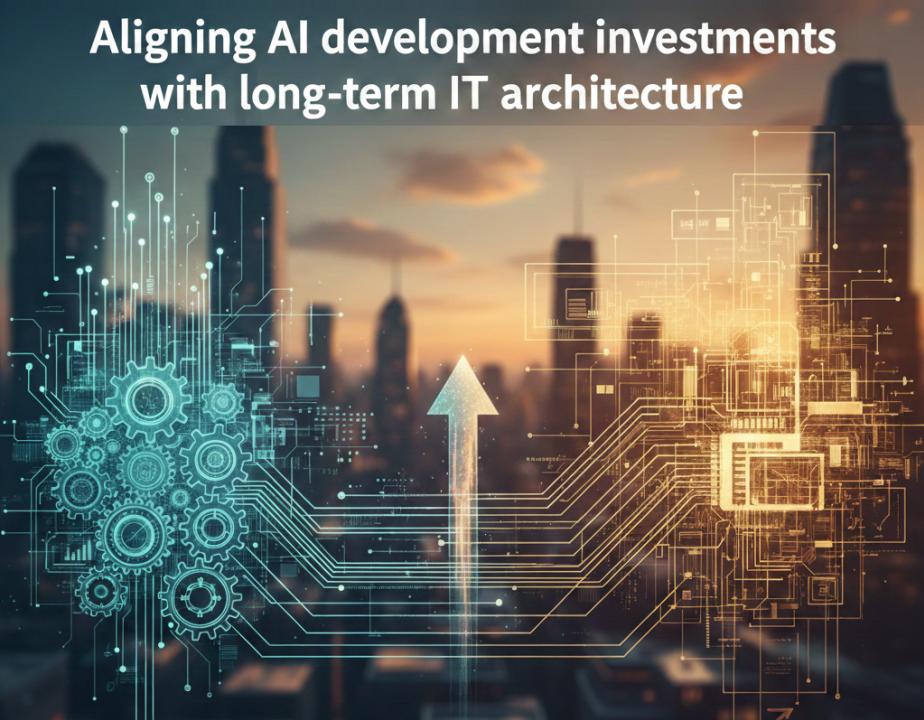
Enterprises and high growth startups are investing heavily in artificial intelligence. Many initiatives begin with strong ambition and generous budgets. Yet a large share of AI programs stall after pilot stages. The common reason is not model performance or data quality. It is misalignment between AI investments and long term IT architecture.
AI systems do not live in isolation. They depend on data pipelines, security layers, integration frameworks, infrastructure strategy, and governance models. When AI development runs ahead of architectural readiness, organizations face rising costs, fragile deployments, and limited business impact. Leaders now recognize that successful AI adoption requires strategic alignment between technology foundations and intelligent applications.
This article explores how decision makers can align AI initiatives with long term IT architecture. It offers practical guidance for enterprise and startup leaders who are planning serious AI investments and want sustainable returns.
Why AI Investments Often Drift Away From IT Strategy
Most organizations begin AI programs through innovation teams or product units. These teams move fast and validate ideas quickly. However, core IT groups often manage infrastructure, data platforms, compliance frameworks, and enterprise integration. When these functions operate separately, AI solutions grow without architectural anchors.
This creates several problems:
- Models trained on fragmented or duplicated data sources
- Multiple AI tools performing similar tasks across departments
- Infrastructure costs that scale unpredictably
- Security gaps around sensitive data
- Integration challenges with legacy platforms
According to industry surveys, over half of enterprise AI projects fail to reach full deployment due to integration and governance limitations. This highlights a critical reality. AI maturity depends as much on architectural planning as on data science expertise.
Treat AI as a Core Architectural Layer, Not a Side Project
Forward thinking organizations treat AI as an extension of their core IT blueprint. This shift changes how investments are evaluated. Instead of funding isolated proofs of concept, leaders build AI roadmaps tied to platform evolution.
Key architectural considerations include:
- Centralized data architecture that supports real time and historical access
- API frameworks for application integration
- Scalable compute environments aligned with workload demand
- Identity and access management extended to AI services
- Governance models for model lifecycle management
When these foundations exist, AI initiatives can move faster with lower risk. When they do not, AI becomes a fragile overlay that strains existing systems.
Aligning AI Development with Enterprise Data Strategy
Data architecture is the backbone of intelligent systems. Without standardized data pipelines, even the most advanced models produce inconsistent results.
Alignment starts with:
- Establishing enterprise data lakes or data mesh structures
- Defining data ownership and stewardship
- Creating standardized ingestion and transformation pipelines
- Implementing metadata management and cataloging
Once data flows are consistent, AI teams can focus on model performance rather than data firefighting. This also simplifies regulatory compliance and audit readiness.
For organizations modernizing data ecosystems alongside intelligent systems, AI Development Services become part of a broader digital foundation rather than a disconnected innovation stream. This alignment reduces total cost of ownership and accelerates deployment cycles.
Infrastructure Planning for Long Term AI Growth
AI workloads behave differently than traditional enterprise applications. Model training can require burst compute capacity. Inference workloads demand low latency environments. Storage requirements expand quickly as datasets grow.
A sustainable IT architecture accounts for:
- Hybrid or multi cloud strategies for elastic scaling
- Containerization and orchestration frameworks
- Cost governance tools for compute management
- Disaster recovery and failover planning for AI workloads
Organizations that plan infrastructure evolution alongside AI roadmaps avoid costly rebuilds later. They also gain clearer visibility into long term operating costs, which supports stronger ROI forecasting.
Integrating AI into Existing Enterprise Systems
Most enterprises operate complex environments with ERP systems, CRMs, data warehouses, and industry specific platforms. AI systems must connect to these environments to deliver business value.
Integration planning includes:
- API driven system interoperability
- Event driven architectures for real time intelligence
- Middleware strategies for legacy connectivity
- Standardized authentication layers
When AI is built with integration in mind from the start, organizations avoid costly reengineering. This is where an experienced AI Development Company can help bridge modern AI capabilities with existing enterprise technology stacks.
Governance and Model Lifecycle Management
AI introduces new governance responsibilities. Models must be monitored for drift, fairness, explainability, and compliance. Without governance frameworks, organizations face operational and reputational risks.
Effective architectural alignment includes:
- Model version control and deployment pipelines
- Performance monitoring and retraining schedules
- Audit logs for data lineage and decision traceability
- Security controls for model access
This governance layer must integrate with enterprise risk and compliance systems. Treating governance as an afterthought undermines long term AI reliability.
Designing for Business Outcomes and ROI
Technology alignment only matters if business outcomes remain central. Enterprises should map AI initiatives to measurable value drivers such as:
- Operational cost reduction
- Customer experience improvement
- Revenue growth through personalization
- Risk mitigation and fraud reduction
Each AI initiative should connect to KPIs tracked at executive level. When architecture planning supports these metrics, investment decisions become clearer and performance accountability improves.
This is where Custom AI Development Services provide value. They focus on building solutions that reflect business priorities rather than forcing generic AI implementations that struggle to deliver measurable impact.
The Role of Full Stack Execution in AI Programs
AI projects require coordination across data engineering, application development, DevOps, security, and user experience layers. Organizations benefit from Full-Stack AI Development capabilities that address the entire pipeline rather than isolated model building.
This approach supports:
- Faster productization of AI models
- Consistent architecture across environments
- Unified accountability for delivery outcomes
For enterprises and strong startups scaling intelligent platforms, full stack delivery reduces vendor fragmentation and lowers integration risk.
Building Internal Capability Alongside External Partners
Even when organizations partner with external providers, internal capability building remains important. IT teams should gain visibility into AI architecture, deployment practices, and governance frameworks.
Strong internal foundations ensure:
- Long term maintainability
- Vendor independence
- Knowledge retention
- Strategic control over AI roadmap
Leading enterprises invest in centers of excellence where internal architects collaborate with external AI specialists. This creates sustainable ownership rather than outsourced dependency.
A Practical Starting Framework
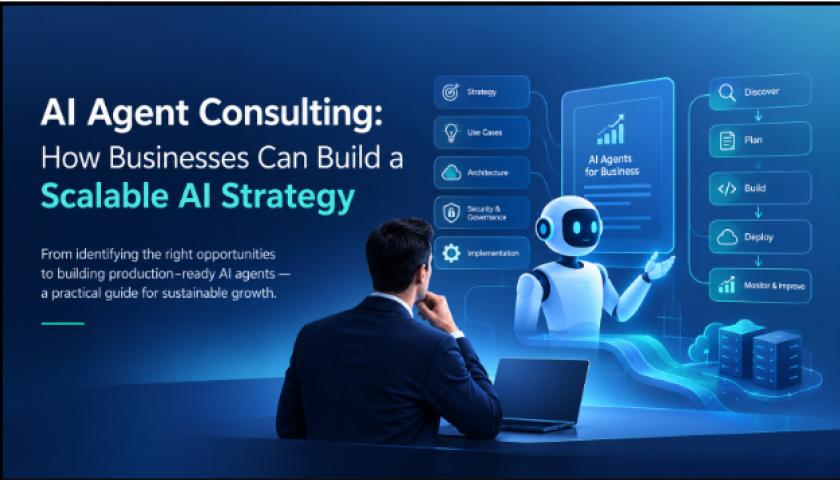
Leaders planning alignment between AI and IT architecture can begin with four steps:
- Audit current data, infrastructure, and integration maturity
- Define target enterprise architecture for intelligent systems
- Map AI use cases to architectural capabilities
- Build phased investment plans tied to business priorities
This structured approach prevents reactive spending and creates a transparent roadmap for executive decision making.
Moving Forward with Confidence
Aligning AI development investments with long term IT architecture is no longer optional. It determines whether intelligent systems become growth engines or costly experiments. Enterprises and ambitious startups that plan architecture first, build data maturity early, and integrate governance from day one create durable AI ecosystems.
With the right foundation, AI stops being a collection of pilots and becomes a scalable enterprise capability.