For years, solar was sold as a cost-saving product.
Today, it’s becoming something else.
Not just in metro cities. Not just in luxury villas. But in tier-2 and tier-3 towns across Kerala.
The real transformation?
It’s psychological.
1. The Electricity Bill Is No Longer a “Utility” — It’s a Trigger
Earlier, people treated EB bills like a fixed tax.
Now they treat it like a negotiable expense.
When a family sees ₹20,000–₹30,000 monthly bills during peak months, it doesn’t feel like a bill anymore. It feels like loss.
And solar enters not as technology — but as control.
That emotional shift is powerful.
It’s no longer:
“Should we install solar?”
It’s:
“Why are we still depending fully on the grid?”
That mindset change is new.
2. Social Proof Has Replaced Technical Awareness
Five years ago, solar companies explained:
Net metering
On-grid vs off-grid
Panel efficiency
Inverter brands
Today?
One good testimonial from a neighbour matters more than a 20-slide presentation.
When a respected local person installs a 5kW or 10kW system and publicly shares:
“My bill came down from ₹25,000 to ₹400.”
That spreads faster than any brochure.
Solar adoption is now socially contagious.
3. Solar Is Becoming a Status Signal
There’s an unspoken reality.
Earlier:
-
Big gate
-
Interlock yard
-
Luxury car
Now add:
-
Solar panels on the terrace
Solar is slowly becoming a symbol of financial intelligence.
It signals:
Long-term thinking
Stability
Ownership mindset
And in NRI households especially, it reflects planning — not just spending.
4. The Real Debate Isn’t ROI — It’s Trust
Most homeowners don’t reject solar because of price.
They hesitate because of:
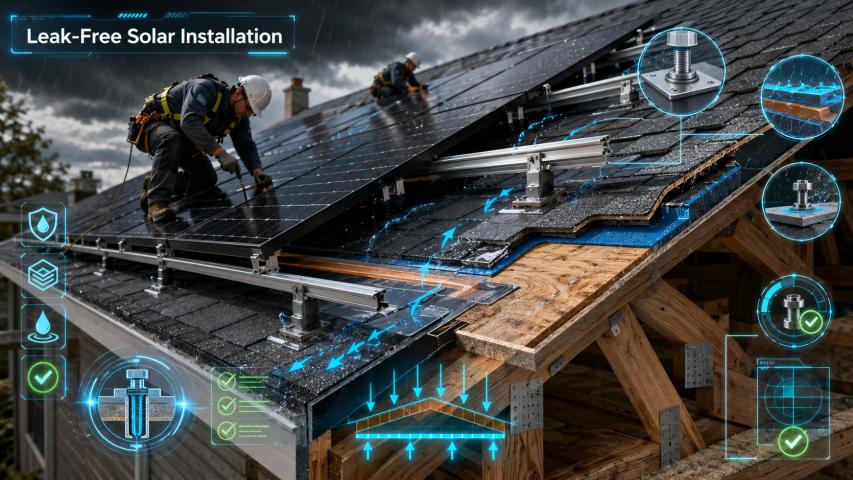
Fear of poor installation
Fear of service issues
Fear of hidden costs
Fear of “after payment silence”
The market is not struggling with awareness.
It’s struggling with credibility.
The next growth wave in solar won’t belong to:
The cheapest company
The company with biggest ad budget
It will belong to the company that proves:
Transparent pricing
Real customer feedback
Visible after-sales support
Trust is now the main currency.
5. EMI + Subsidy = Acceleration Model
Earlier, solar required lump sum investment.
Now the equation has changed:
Government subsidy
12-month no-interest EMI options
Bank tie-ups
This removes the biggest barrier: upfront fear.
And when EMI becomes lower than the electricity bill?
The decision becomes logical — not emotional.
That shift is massive for adoption speed.
6. Kerala’s Climate Advantage Is Underestimated
Kerala doesn’t have desert-level sunlight.
But it has:
Consistent solar exposure
High domestic consumption
Increasing AC usage
Rising electricity tariffs
Even moderate sunlight + high consumption = strong solar logic.
The real opportunity is not in low-usage homes.
It’s in:
Large homes
Commercial buildings
Apartments with shared systems
Institutions
The next phase is semi-commercial adoption.
7. Solar Marketing Is Entering Its Maturity Phase
Earlier solar ads were:
“Install Now. Save Money. Get Subsidy.”
Now that doesn’t work alone.
Modern solar marketing must show:
Real homes
Real bills
Real production data
Real savings screenshots
Data transparency is the new persuasion.
As a marketer, this is where opportunity lies:
Solar brands that communicate like tech startups will win over those who communicate like traditional contractors.
8. The Bigger Picture: Energy Independence Is Becoming Personal
Global energy instability.
Fuel price fluctuations.
Climate discussions.
All of it slowly builds subconscious awareness.
People may not openly say:
“I want energy independence.”
But when they install solar, that’s exactly what they’re buying.
Control.
The Future of Solar in Kerala
The next five years won’t be about convincing people solar works.
It will be about:
Who installs better
Who services faster
Who communicates clear
Who builds community trust
Solar is no longer just a product.
It’s becoming part of home planning.
And once something enters planning stage —
adoption becomes inevitable.
If you are interested to know more about solar checkout our website