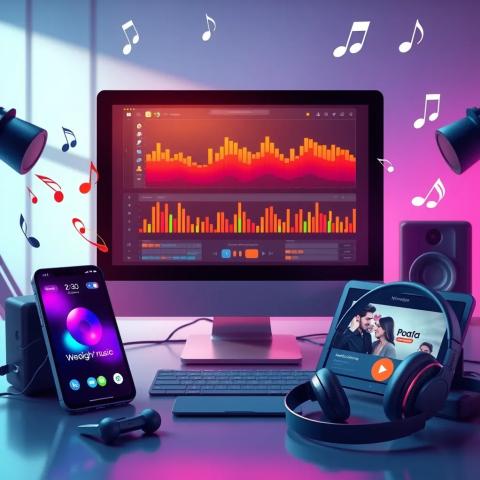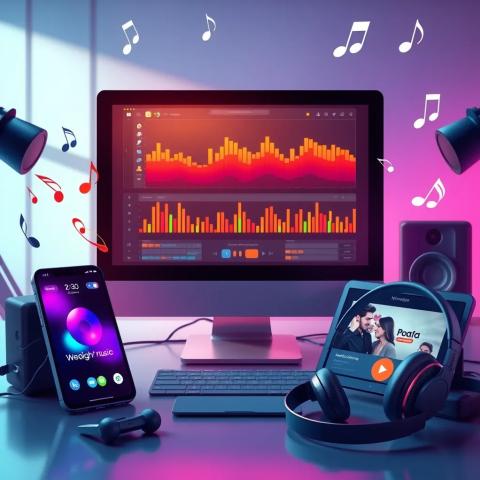
The global music industry has undergone a dramatic transformation over the past two decades. Physical music sales have given way to digital downloads, and today streaming platforms dominate music distribution and consumption. Services such as Spotify, Apple Music, and YouTube Music have reshaped how audiences discover and listen to music.
While streaming has made music more accessible than ever, it has also created economic challenges for artists and rights holders. The current streaming model often results in extremely low per-stream payouts, complex royalty structures, and limited transparency for creators.
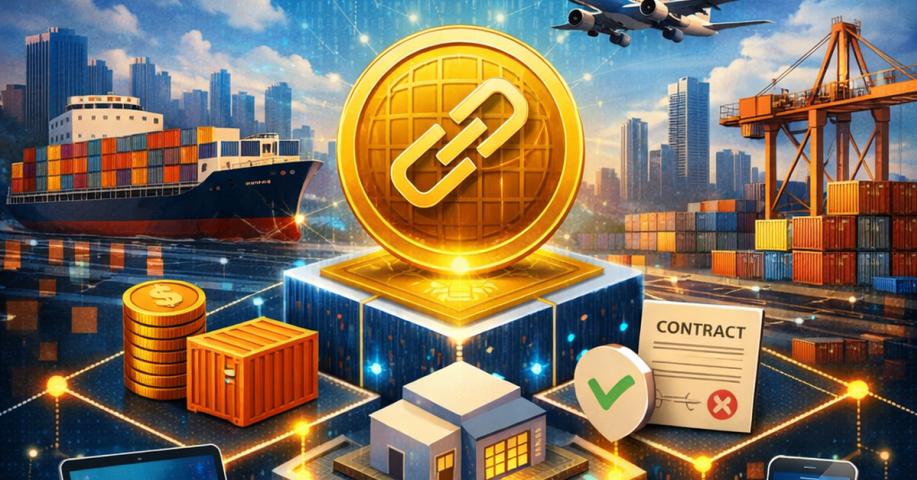
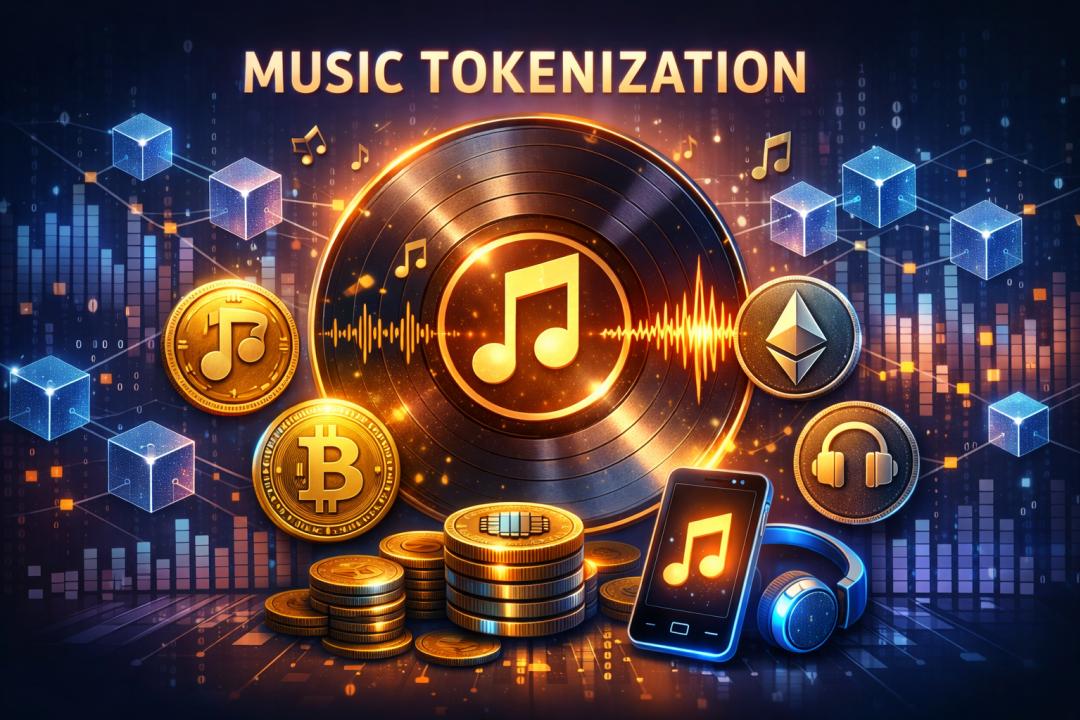
This is where music tokenization enters the conversation. Powered by blockchain technology, music tokenization introduces a new economic model where music rights, royalties, and ownership can be converted into digital tokens. These tokens can be traded, owned fractionally, and programmed through smart contracts to automate royalty distribution.
As Web3 technologies continue to evolve, music tokenization has the potential to fundamentally disrupt Spotify-> by shifting power from centralized platforms to artists, fans, and decentralized ecosystems.
The Economics of Spotify-Style Streaming
Streaming services have become the primary revenue driver for the music industry. Platforms like Spotify distribute millions of songs globally, offering users instant access to massive music catalogs.
However, the streaming revenue model is complex and often controversial.
How Streaming Revenue Works
Most streaming platforms use a pro-rata revenue model, where total platform revenue from subscriptions and ads is pooled and then distributed to rights holders based on the share of total streams.
A simplified process looks like this:
-
Users pay subscription fees or listen to ads.
-
The platform aggregates total revenue.
-
Revenue is distributed to record labels and rights holders.
-
Labels then pay artists according to their contracts.
Low Per-Stream Payouts
The average payout per stream on Spotify is estimated to range between $0.003 and $0.005 per stream. This means an artist may need hundreds of thousands or even millions of streams to generate meaningful income.
For independent artists without major label backing, this can create significant financial pressure.
Lack of Transparency
Another issue in the streaming economy is limited transparency in royalty calculations. Artists often rely on intermediaries such as publishers, distributors, and labels to track revenue. This multi-layered structure can lead to:
-
Delayed payments
-
Complex accounting processes
-
Difficulty verifying royalty accuracy
As a result, many musicians are exploring new monetization models that give them greater control over their music assets and revenue streams.
What Is Music Tokenization?
Music tokenization refers to the process of converting music rights, royalties, or ownership into blockchain-based digital tokens.
These tokens represent a fractional share of a music asset, such as a song, album, or royalty stream. Using blockchain infrastructure and smart contracts, tokenized music assets can be bought, sold, or traded in decentralized marketplaces.
Instead of relying entirely on streaming revenue, artists can raise capital by selling tokenized shares of their music rights to fans and investors.
Key Components of Music Tokenization
Music tokenization typically involves several technological elements:
Blockchain Networks
Provide the decentralized infrastructure for storing ownership records and transaction history.
Smart Contracts
Automate royalty distribution and enforce contractual rules.
Digital Tokens
Represent ownership or revenue rights associated with a music asset.
Token Marketplaces
Enable fans and investors to purchase or trade tokenized music shares.
Through these mechanisms, blockchain introduces transparency, automation, and programmability to music ownership and royalty systems.
How Music Tokenization Works
Music tokenization transforms music rights into tradable digital assets through a structured process.
1. Artist Registers Music Rights
The artist or rights holder uploads ownership information and licensing rights to a blockchain platform designed for tokenization.
2. Creation of Music Tokens
The platform converts the music asset into digital tokens that represent fractional ownership or royalty shares.
For example:
-
A song may be divided into 10,000 tokens
-
Each token represents 0.01% ownership of future royalties
3. Token Distribution
Tokens can then be sold to:
-
Fans
-
Investors
-
Music communities
This allows supporters to financially participate in an artist’s success.
4. Royalty Revenue Collection
Revenue from streaming, licensing, or performances is tracked and collected by the system.
5. Automated Royalty Payments
Smart contracts automatically distribute royalties to token holders based on their ownership share.
This eliminates many of the intermediaries typically involved in music royalty management.
Why Music Tokenization Could Disrupt Streaming Economics
Music tokenization introduces a fundamentally different economic structure compared to traditional streaming platforms.
Several factors contribute to its disruptive potential.
Direct Artist Monetization
In the traditional streaming ecosystem, artists often depend on record labels and distribution platforms to monetize their work.
Tokenization allows artists to monetize music assets directly by selling ownership shares to fans or investors.
Benefits include:
-
Immediate funding opportunities
-
Reduced reliance on record labels
-
Greater control over intellectual property
Artists can essentially turn their music catalogs into investable digital assets.
Fractional Ownership for Fans
Music tokenization also transforms the relationship between artists and their audiences.
Fans can become stakeholders in the success of a song or album by purchasing tokens that represent royalty rights.
This creates a new type of engagement:
-
Fans support artists financially
-
Fans earn a portion of streaming revenue
-
Artists build stronger communities
The model resembles crowdfunding combined with digital asset ownership.
Transparent Royalty Tracking
Blockchain technology introduces transparent and immutable record-keeping for music rights and payments.
Every transaction, royalty payment, and ownership transfer can be recorded on-chain, allowing participants to verify:
-
Who owns what percentage of a music asset
-
When royalties are paid
-
How revenue is distributed
This transparency could significantly reduce disputes and inefficiencies within the music industry.
Global Liquidity for Music Assets
Traditionally, music rights have been relatively illiquid assets. Selling a portion of a song’s royalty stream usually requires complex legal agreements.
Tokenization enables secondary markets for music ownership, where tokens representing music rights can be traded globally.
This introduces:
-
Increased liquidity for music assets
-
New investment opportunities
-
A broader market for music rights
In effect, music catalogs could become digital financial assets similar to stocks or commodities.
Benefits of Music Tokenization
Music tokenization provides advantages for multiple participants in the music ecosystem.
Benefits for Artists
-
Higher revenue potential through direct token sales
-
Faster royalty payments via smart contracts
-
Greater ownership control over music rights
-
Reduced dependency on intermediaries
Artists gain the ability to structure innovative financial models around their music.
Benefits for Fans
Tokenization transforms passive listeners into active participants in the music economy.
Fans gain:
-
Opportunities to invest in music they love
-
A share of future royalties
-
Deeper engagement with artists
This creates a more collaborative and community-driven music ecosystem.
Benefits for the Industry
The broader music industry could also benefit from tokenization through:
-
Improved royalty transparency
-
More efficient rights management
-
Global access to music investment markets
Blockchain technology could help address long-standing inefficiencies in music rights management.
Real-World Experiments in Music Tokenization
Several blockchain initiatives are already exploring music tokenization and Web3-based music platforms.
Some projects are experimenting with:
-
Tokenized music catalogs
-
Music NFTs representing royalty rights
-
Decentralized streaming platforms
-
Blockchain-based licensing systems
While the ecosystem is still developing, these experiments highlight growing interest in reimagining music economics through decentralized technology.
Challenges and Risks
Despite its promise, music tokenization also faces several challenges.
Regulatory Uncertainty
Tokenized music assets may fall under securities regulations in some jurisdictions, especially when they represent investment opportunities.
Clear regulatory frameworks will be essential for mainstream adoption.
Copyright and Ownership Complexity
Music rights can involve multiple stakeholders:
-
Songwriters
-
Producers
-
Record labels
-
Publishers
Tokenizing music requires precise ownership verification and legal agreements.
Market Volatility
Like other digital assets, tokenized music markets may experience price volatility, which could impact investor confidence.
Technology Adoption
Blockchain infrastructure must become more user-friendly and scalable for widespread adoption in the music industry.
The Future of Music Monetization
The rise of Web3 technologies suggests that music tokenization could play a significant role in the next phase of music monetization.
Instead of relying solely on centralized streaming platforms, artists may combine multiple revenue streams:
-
Streaming platforms
-
Tokenized music ownership
-
NFT-based fan experiences
-
Direct fan investment models
Rather than replacing services like Spotify entirely, tokenization may coexist alongside traditional streaming ecosystems, offering artists more diversified income opportunities.
Over time, blockchain infrastructure could enable a more transparent, decentralized, and artist-centric music economy.
Conclusion
The current streaming economy has transformed music distribution but continues to raise concerns about fair artist compensation, transparency, and ownership control.
Music tokenization offers a compelling alternative by allowing artists to convert their music rights into digital assets that can be owned, traded, and monetized directly.
Through blockchain technology, tokenization introduces:
-
Automated royalty distribution
-
Transparent ownership tracking
-
Fractional music investment opportunities
If these systems mature and overcome regulatory and technological barriers, music tokenization could significantly disrupt the economics of Spotify->, empowering artists and fans alike.
The future of music may not just be about listening—it may also be about owning a piece of the songs we love.
Frequently Asked Questions
What is music tokenization?
Music tokenization is the process of converting music rights or royalty streams into blockchain-based digital tokens that represent ownership shares or revenue rights.
How does blockchain improve music royalty distribution?
Blockchain uses smart contracts to automatically distribute royalties to rights holders, reducing delays and increasing transparency.
Can fans invest in music through tokenization?
Yes. Fans can purchase tokenized shares of songs or albums and potentially earn a portion of future royalties.
Is music tokenization legal?
The legality of music tokenization depends on jurisdiction and whether the tokens are classified as securities. Regulatory frameworks are still evolving.
How do artists tokenize their music?
Artists can use blockchain platforms that support asset tokenization to convert their music rights into digital tokens and distribute them to investors or fans.
Will music tokenization replace streaming platforms?
Not necessarily. Tokenization is more likely to complement existing streaming platforms by creating additional revenue models for artists.