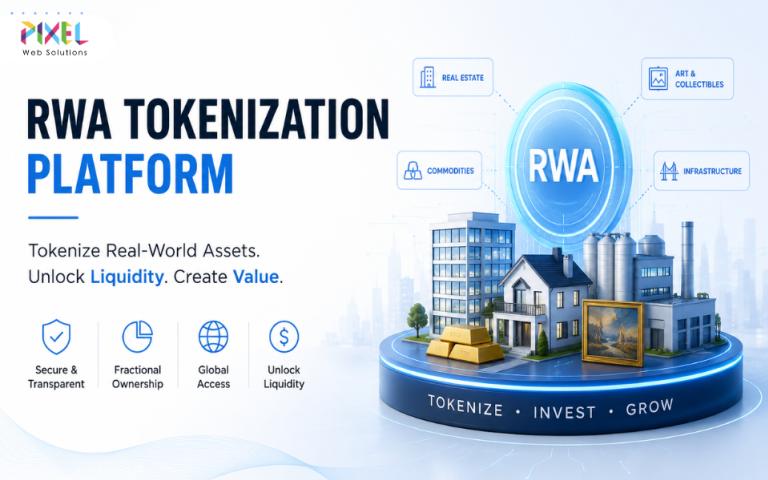

Gold has always been a cornerstone of global finance—valued for its stability, scarcity, and role as a hedge against inflation. But in 2026, gold is undergoing a significant transformation. Through blockchain technology, gold is no longer just a physical commodity stored in vaults—it is becoming a digitally tradable, programmable asset.
This evolution is known as gold tokenization, and it is reshaping how investors, institutions, and fintech platforms interact with one of the world’s oldest assets.
What Is Gold Tokenization?
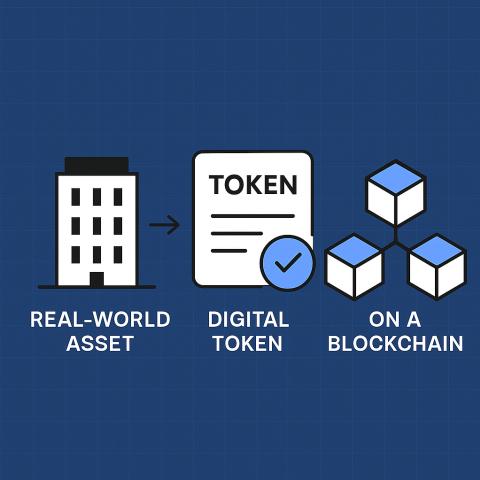
Gold tokenization refers to the process of converting physical gold into digital tokens on a blockchain. Each token represents ownership of a specific quantity of gold—typically backed 1:1 and stored securely in audited vaults.
These tokens can then be:
- Bought and sold globally
- Transferred instantly
- Fractionalized for smaller investments
In essence, tokenized gold combines the intrinsic value of gold with the efficiency of blockchain technology.
Why Gold Tokenization Is Gaining Traction in 2026
The rise of tokenized gold is not just a technological trend—it is driven by real market demand and structural inefficiencies in traditional gold investment.
1. Increased Liquidity
Unlike physical gold, which can be difficult to trade quickly, tokenized gold can be exchanged 24/7 on digital platforms.
2. Fractional Ownership
Investors no longer need to buy large quantities of gold. Tokenization enables ownership of even a fraction of a gram.
3. Global Accessibility
Anyone with internet access can invest in tokenized gold, removing geographical and financial barriers.
4. Transparency and Trust
Blockchain provides a transparent ledger where ownership and transactions can be verified in real time.
How Gold Tokenization Works
The process of gold tokenization integrates traditional asset management with blockchain infrastructure:
-
Gold Acquisition
Physical gold is sourced and verified for quality and purity. -
Secure Storage
The gold is stored in insured and audited vaults managed by trusted custodians. -
Token Issuance
Digital tokens are created on a blockchain, each representing a fixed amount of gold. -
Smart Contract Integration
Smart contracts manage ownership, transfers, and compliance requirements. -
Trading and Redemption
Tokens can be traded on digital platforms or redeemed for physical gold or fiat currency.
Tokenized Gold vs Traditional Gold Investments
Tokenized gold offers several advantages over traditional investment methods such as physical gold and ETFs:
- Faster Settlement: Transactions occur instantly rather than days
- Lower Entry Barriers: No need for large capital investment
- Improved Liquidity: Easily tradable across global markets
- Enhanced Transparency: Blockchain-based verification
This makes tokenized gold particularly appealing to modern investors seeking both stability and flexibility.
Use Cases of Tokenized Gold
In 2026, tokenized gold is being adopted across multiple sectors:
Digital Investment Platforms
Fintech companies are offering tokenized gold as an accessible investment product.
Cross-Border Transactions
Gold-backed tokens provide a stable medium for international transfers.
DeFi Integration
Tokenized gold is being used as collateral in decentralized finance ecosystems.
Wealth Management
Asset managers are incorporating tokenized commodities into diversified portfolios.
Challenges and Considerations
Despite its advantages, gold tokenization is not without challenges:
- Regulatory Uncertainty: Different jurisdictions have varying rules for digital assets
- Custodian Risk: Trust in vault providers remains critical
- Market Adoption: Widespread adoption is still evolving
Addressing these challenges requires robust infrastructure, compliance frameworks, and trusted technology providers.
The Role of Platforms Like Spydra
As the tokenization ecosystem matures, platforms like Spydra are enabling businesses to bring real-world assets like gold onto the blockchain.
These platforms offer:
- Compliance-ready token standards
- Smart contract automation
- Integration with custody providers
- Scalable infrastructure for asset tokenization
This significantly reduces the complexity of launching and managing tokenized gold offerings.
The Future of Gold in a Tokenized Economy
Gold tokenization represents a broader shift toward real-world asset (RWA) tokenization, where physical assets are digitized and integrated into blockchain ecosystems.
In the coming years, we can expect:
- Greater institutional adoption
- Integration with global financial systems
- Increased regulatory clarity
- Expansion into other commodities
Gold, once confined to vaults and physical exchanges, is now becoming part of a borderless digital economy.
Conclusion
Gold tokenization in 2026 is redefining how value is stored, transferred, and invested. By merging the reliability of gold with the efficiency of blockchain, it creates a powerful new asset class that meets the needs of modern investors.
For businesses and institutions, the opportunity is clear: tokenization is not just innovation—it is a competitive advantage.
As adoption accelerates, those who embrace tokenized assets today will be best positioned to lead in the financial systems of tomorrow.