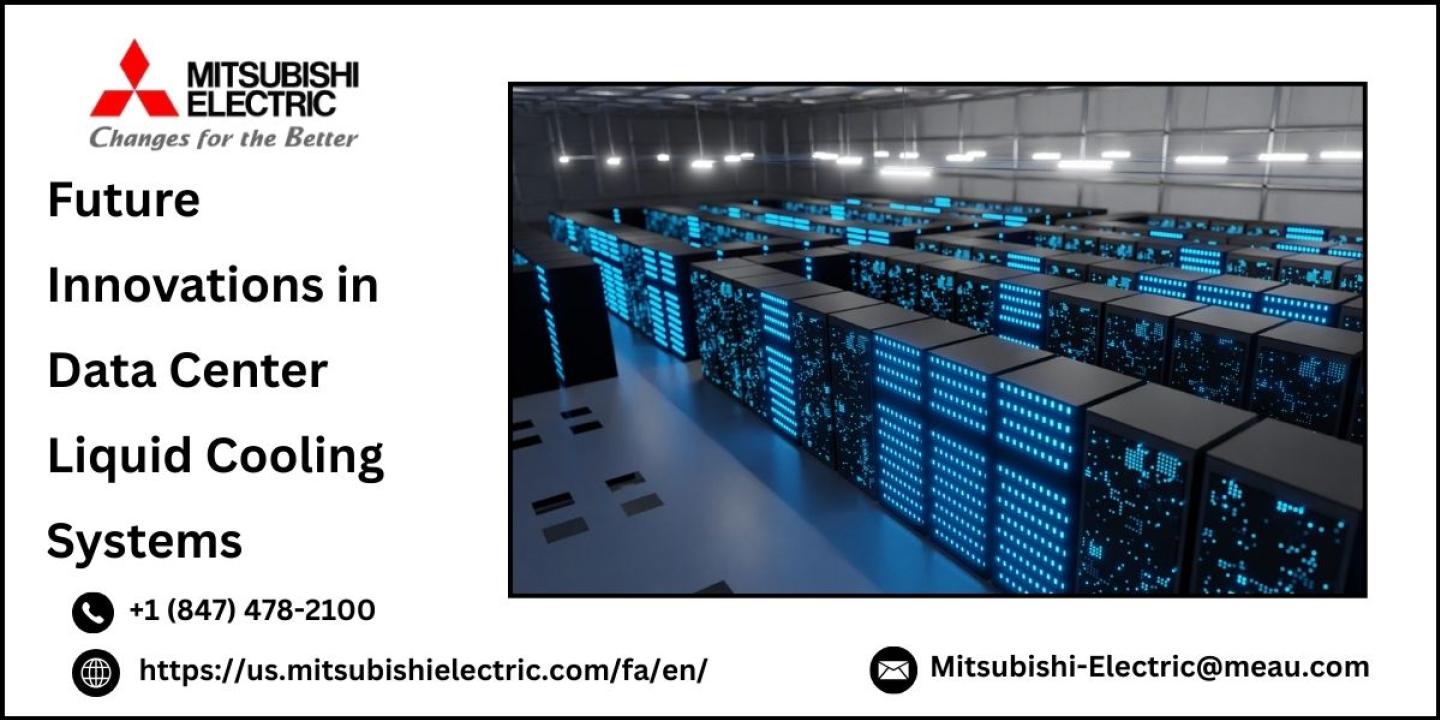
The data centers are getting hotter than ever. Not physically only, but operationally. High-density rack configurations, artificial intelligence tasks, and the need to operate 24/7 are placing strain on thermal thresholds. Air cooling is finding it difficult to keep up. Those pressures are driving data center liquid cooling system innovation up. Operators are relocating heat way out of processors, avoiding forced passage of cold air in aisles by employing fluid-based practices. Liquid cooling of data centers no longer represents a fanciful upgrade. They are also joining the long term infrastructure planning. Heat is predictable. The scale of it is not.

Why Traditional Cooling Is Hitting Limits


Rising Rack Density
Ten years ago, a rack drawing 5 to 10 kilowatts was common. Now, AI-focused deployments can exceed 30 kilowatts per rack. Air circulation struggles to remove that level of concentrated heat efficiently. Data center liquid cooling systems address this by transferring heat directly from chips through cold plates or immersion techniques. Liquid absorbs heat more efficiently than air, reducing reliance on massive airflow systems. The shift is less about preference and more about physics.

Energy Efficiency Pressures
Cooling consumes a significant portion of a facility’s energy. Power usage effectiveness targets are tightening across the United States. Liquid systems reduce the workload on large-scale chillers and fans. That translates into lower energy draw. Over time, operational savings can offset initial installation costs. Efficiency is no longer optional. It shapes expansion decisions.

Direct-to-Chip and Immersion Advances


Direct-to-Chip Precision
Direct-to-chip cooling routes coolant through plates attached directly to processors. Heat transfer becomes localized and controlled. This method reduces hot spots and allows higher compute density without redesigning entire rooms. Operators can upgrade rack capacity incrementally instead of rebuilding entire floors. Flexibility matters when growth patterns are uncertain.

Immersion Cooling Developments
Immersion cooling submerges hardware in non-conductive liquid. It sounds extreme at first, yet it simplifies airflow complexity. Without fans, mechanical strain decreases. One emerging trend involves modular immersion tanks that scale alongside workload expansion. Instead of committing to large centralized upgrades, facilities can deploy cooling modules where needed. There are trade-offs. Maintenance processes differ. Technicians require updated training.

Integration With Data Center Automation


Smart Monitoring and Adaptive Cooling

Data center automation is increasingly tied to cooling performance. Sensors monitor temperature fluctuations in real time and adjust flow rates automatically. Instead of running pumps at constant capacity, systems adapt to workload changes. That responsiveness reduces unnecessary energy use. Automation also helps identify anomalies early. A minor coolant imbalance can be flagged before it affects uptime.

Predictive Maintenance Through Sensors
Advanced facilities are integrating monitoring systems similar in principle to wastewater lift station IoT sensors. While used in different environments, the idea is comparable. Sensors track flow levels, pressure changes, and mechanical performance. Data patterns reveal early signs of wear or inefficiency. Predictive maintenance reduces downtime and extends equipment life.

The Role of Variable Frequency Drives


Optimizing Pump Performance

Liquid cooling relies on pumps to circulate coolant efficiently. A data center vfd controls motor speed based on real-time demand. Instead of operating at maximum capacity continuously, pumps adjust output as temperature shifts. That precision conserves energy and reduces mechanical stress. Over months of operation, incremental efficiency gains compound.

Reducing Mechanical Strain
Constant high-speed operation accelerates wear. Variable control smooths system performance. When combined with automation analytics, vfds help maintain balance between cooling capacity and energy consumption. It is a small adjustment with long-term impact.

Environmental Considerations and Water Usage

Liquid cooling throws light on the sustainability of water. Other systems are based on closed loop designs which reduce wastage of water. Other companies incorporate heat recovery to reuse the waste heat in adjacent facilities. The conflict is between performance and resource management. Cooling, being of high efficiency, should not cause additional environmental burden. The innovation is aiming at minimizing the amount of fluids lost, bettering the containment system, and an increase in the recycling norms of the coolant materials.

The Less-Discussed Operational Shift

A subtle but important shift involves facility design philosophy. Historically, cooling infrastructure was centralized. Now, modular and rack-level cooling changes planning strategies. This decentralization improves resilience. If one module requires maintenance, others continue functioning. It also increases complexity in monitoring and coordination. Data center automation becomes essential rather than optional.

Practical Preparation for Future Adoption


Evaluate Rack Density Projections
The projected increase in workload should be modelled by the facilities planning upgrades within a period of five to ten years. Decisions made only based on the demand at hand and not the future may get old very fast.

Align Cooling With Automation Strategy
Cooling systems need to be part and parcel with automation platforms. In insulated systems, responsiveness and insight is diminished.

Consider Workforce Training
The technicians that are used to air cooling have to adjust to the liquid handling processes and monitors. Training minimizes the operational risk.

FAQs

What are data center liquid cooling systems?

The liquid cooling systems in data centers utilize coolant fluid to extract heat directly off the servers and this is more efficient than the traditional air cooling method.

How does data center automation support liquid cooling?

Automation of data centers can be used to monitor the temperature, flow rates, and data center performance to make adaptive changes and predictive maintenance.

What role does a data center vfd play in cooling systems?

A data center vfd may also be used to adjust the speed of pump motors according to the demand of control in order to enhance energy efficiency and minimize mechanical wear.

Looking Ahead at Cooling Innovation

The data centers will not become any less demanding. Workloads are growing, and density is constantly increasing. Data center liquid cooling systems are being developed in line with such pressures that are precise and efficient. It is not a technical change. It represents a more comprehensive reevaluation of infrastructural resilience, energy consumption and expandability. With a more profoundly automated automation and additional modular cooling, the facilities can become less noisy, more efficient, and flexible. Heat will remain constant. The way it is managed will not.