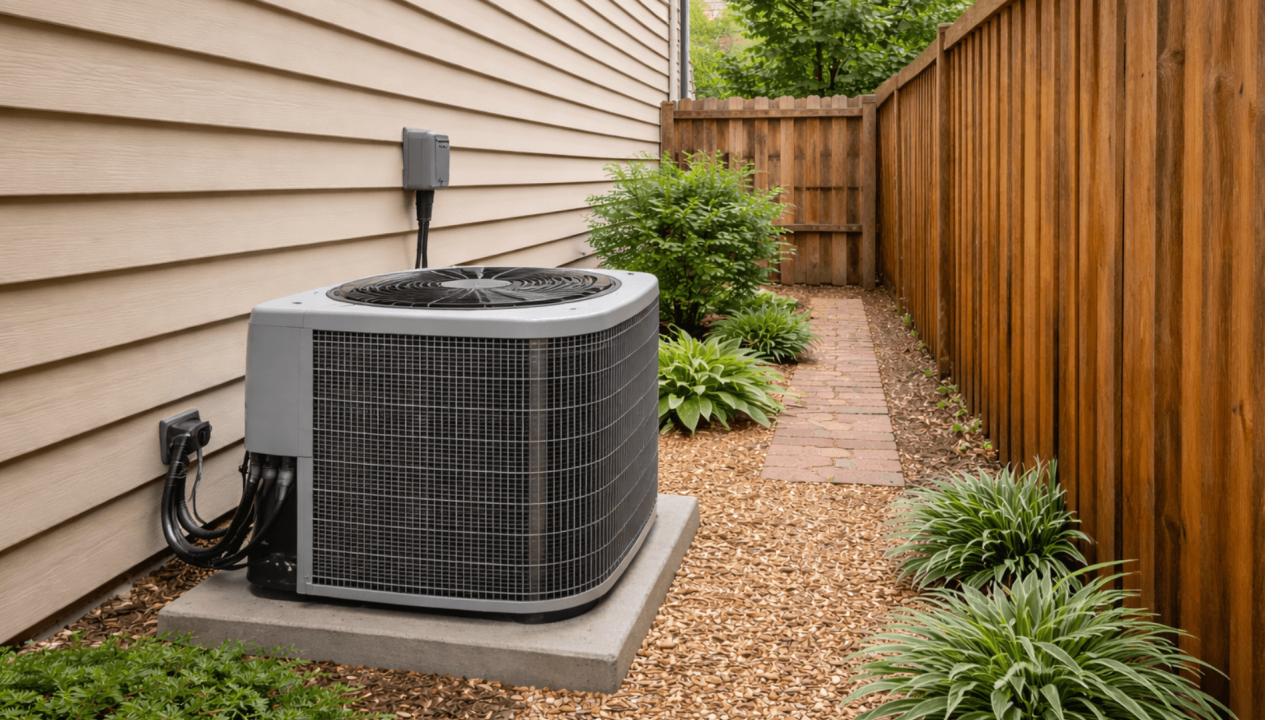
A strange smell coming from your air conditioner the moment it turns on can be more than just unpleasant. In many cases, it is a warning sign that something inside the system needs attention. Homeowners often ignore these odors, assuming they will disappear after the system runs for a few minutes. Sometimes they do, but the underlying cause usually remains.
Air conditioners move large volumes of air through your home. If something inside the system becomes dirty, damp, or damaged, that odor can quickly spread through the ductwork. Understanding what these smells mean can help you catch small problems early and avoid expensive repairs later.
If the smell persists or becomes stronger, it may be time to have the system inspected by professionals who provide ac repair services in las vegas.
Below are the most common AC odors, what causes them, and what you should do when you notice them.
1. Musty or Moldy Smell
One of the most common odors people notice is a musty or damp smell when the AC starts running. This smell is usually caused by mold or mildew growing somewhere in the system.
Air conditioners remove moisture from the air as part of the cooling process. When that moisture does not drain properly, it can collect in areas such as:
- The evaporator coil
- The condensate drain pan
- Air ducts
- The air handler
When moisture remains trapped in these components, mold can begin to grow. Once the system turns on, the airflow spreads that smell throughout the house.
What it means
Mold inside the AC system is not only unpleasant but can also affect indoor air quality.
What you should do
- Replace or clean the air filter
- Check that the condensate drain line is not clogged
- Schedule professional cleaning of coils and drain components
2. Dirty Sock Smell
Many homeowners describe this odor as similar to sweaty gym socks. This issue is commonly called “dirty sock syndrome.”
It typically happens when bacteria and mold grow on the evaporator coil. The coil stays damp because it continuously collects condensation during cooling cycles. If dust and organic particles accumulate on it, they can become a breeding ground for odor-causing microorganisms.
What it means
The evaporator coil likely needs cleaning, and the system may not be draining moisture properly.
What you should do
- Have the evaporator coil professionally cleaned
- Maintain regular AC maintenance
- Ensure proper airflow with clean filters
3. Burning or Electrical Smell
A burning smell when your AC turns on should never be ignored. It may indicate overheating electrical components inside the system.
Possible causes include:
- Worn wiring
- Overheating motor parts
- A failing capacitor
- Electrical insulation melting
Sometimes dust that has settled on heating elements or electrical parts can burn off when the system first starts after long inactivity, but persistent burning smells are a concern.
What it means
There may be an electrical malfunction inside the air conditioner.
What you should do
Turn off the system immediately and have a technician inspect it before running it again.
4. Rotten Egg or Sulfur Smell
If you notice a strong sulfur or rotten egg odor, the source may not be the air conditioner itself.
Natural gas is odorless, so gas companies add a sulfur-like smell to help detect leaks. If this smell appears when the AC turns on, it may be circulating air from another area of the home where a gas leak exists.
What it means
This could indicate a potentially dangerous gas leak.
What you should do
Leave the home immediately and contact your gas provider or emergency services.
Do not operate electrical systems until the issue is resolved.
5. Chemical or Sweet Smell
Some homeowners notice a chemical-like odor that resembles paint thinner or sweet chloroform. This can sometimes be linked to refrigerant leaks.
Refrigerant is essential for the cooling process, but when it leaks from coils or connections, it can create unusual smells and reduce cooling performance.
What it means
A refrigerant leak may be developing in the system.
What you should do
Have a licensed HVAC technician inspect the system, locate the leak, and repair it properly.
6. Sewage or Waste Smell
An unpleasant sewage odor coming from AC vents can occur if the condensate drain line becomes connected to or affected by plumbing lines that contain sewer gases.
Another possibility is a dry plumbing trap near the HVAC system that allows odors to enter the air circulation.
What it means
There may be a plumbing-related issue affecting the HVAC drain system.
What you should do
A technician can inspect both the AC drain system and nearby plumbing to identify the cause.
7. Animal or Decaying Smell
Sometimes the smell is much stronger and resembles something decaying. In many cases, this happens when a small animal gets trapped in the ductwork or inside the outdoor unit.
Rodents, birds, or insects may enter HVAC systems seeking warmth or shelter.
What it means
There may be a dead animal or pest problem inside the duct system or unit.
What you should do
A professional inspection may be required to locate and remove the source safely.
Why AC Smells Often Appear When the System First Turns On
Many odors become noticeable right when the AC starts because the system has been sitting idle.
During downtime:
- Dust settles on internal components
- Moisture accumulates in coils and pans
- Microbial growth can develop
Once the fan starts running, those odors get pushed through the ducts and into living spaces.
If the smell disappears quickly and does not return, it may be temporary. However, if the odor continues during operation or becomes stronger over time, the system likely needs maintenance or repair.
How to Prevent Bad AC Odors
Regular HVAC maintenance plays a major role in preventing odor problems.
Replace air filters regularly
Dirty filters trap dust and moisture, which can contribute to bacterial growth.
Keep the drain line clear
A clogged condensate line can cause standing water and mold buildup.
Schedule annual AC maintenance
Professional inspections help clean internal components and detect issues early.
Maintain clean ductwork
Dust and debris inside ducts can hold moisture and produce smells over time.
Ensure proper ventilation
Good airflow prevents stagnant air and moisture accumulation inside the system.
When to Call a Professional
While some minor smells may disappear after changing a filter or running the system for a few minutes, persistent odors should not be ignored.
You should call a technician if:
- The smell returns every time the AC runs
- The odor becomes stronger over time
- You notice reduced cooling performance
- The smell resembles burning, chemicals, or gas
An experienced HVAC professional can inspect the system, identify the source of the odor, and recommend the right repair or cleaning solution.
Final Thoughts
Air conditioners are designed to improve comfort and indoor air quality. When unpleasant odors appear, they usually indicate a problem inside the system that needs attention.
Whether the cause is mold growth, electrical issues, refrigerant leaks, or drainage problems, identifying the source early can prevent more serious damage. Paying attention to these warning signs and scheduling timely maintenance can help keep your cooling system running safely, efficiently, and odor-free throughout the season.