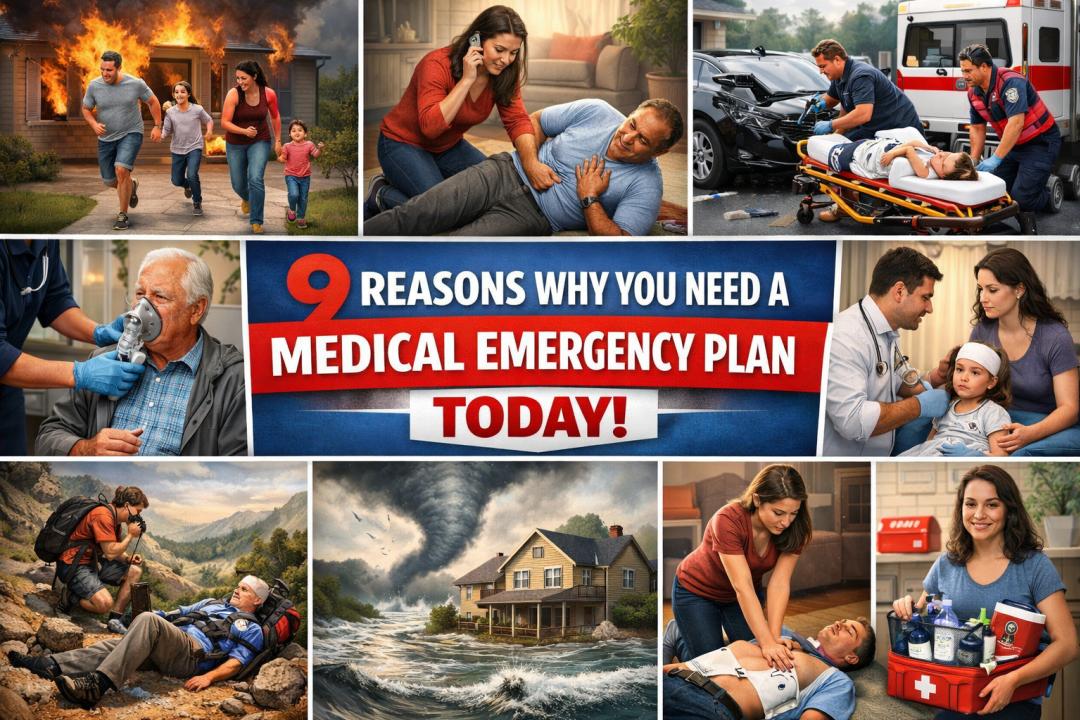
Life is unpredictable. One moment everything seems perfectly fine, and the next, you could be facing a medical crisis that turns your world upside down. Whether it's a sudden accident, a health condition that requires immediate attention, or an unexpected hospitalization, medical emergencies don't announce themselves in advance. They simply happen, and when they do, being prepared can make all the difference.
Having a Medical Emergency Plan is no longer optional; it's essential for everyone, regardless of age or health status. This plan serves as your financial safety net during times of crisis, ensuring that you and your loved ones can access quality healthcare without worrying about depleting your savings. In this article, we'll explore nine compelling reasons why creating a comprehensive emergency plan should be your top priority today.
1. Rising Healthcare Costs Are Out of Control
Medical expenses in India have been increasing at an alarming rate, far outpacing general inflation. A simple hospitalization can easily cost lakhs of rupees, and specialized treatments or surgeries can run into tens of lakhs. Without proper planning, these expenses can wipe out years of savings in a matter of days.
A well-structured Medical Emergency Plan helps you prepare financially for these escalating costs. By setting aside funds specifically for healthcare emergencies and securing adequate health insurance, you create a buffer that protects your family's financial future from unexpected medical bills.
2. Health Insurance Alone Isn't Always Enough
While health insurance is crucial, it doesn't always cover everything. There are waiting periods for certain conditions, copayment clauses, room rent limits, and specific exclusions that could leave you paying substantial amounts out of pocket. Additionally, insurance claims can sometimes take time to process.
Your emergency plan should include liquid assets that you can access immediately when needed. Just as Quant Trade helps investors build diversified portfolios for various financial goals, your healthcare strategy should combine insurance coverage with accessible emergency funds to handle any gaps or immediate expenses.
3. Medical Emergencies Don't Wait for Convenient Timing
Accidents and sudden illnesses don't check your bank balance before striking. They can happen when you're between jobs, during a financial crunch, or right after you've made a major purchase. Having a dedicated Medical Emergency Plan ensures you're prepared regardless of when a crisis strikes.
This plan should include maintaining an emergency fund equivalent to at least six months of expenses, with a portion specifically earmarked for medical needs. This financial cushion gives you peace of mind knowing you can handle unexpected healthcare costs without scrambling for funds.
4. Quick Access to Quality Healthcare Can Save Lives
In medical emergencies, time is often the most critical factor. The difference between a good outcome and a tragic one can be a matter of minutes or hours. However, many people delay seeking immediate medical attention simply because they're worried about costs.
When you have a solid emergency plan in place, you eliminate this hesitation. You can focus entirely on getting the best possible care without financial concerns clouding your judgment. This could literally be the difference between life and death for you or your loved ones.
5. Protects Your Long Term Financial Goals
Medical emergencies have a way of derailing even the most carefully planned financial futures. Imagine working for years toward retirement, your child's education, or buying a home, only to see those dreams shattered by unexpected medical bills.
A comprehensive emergency plan acts as a firewall between your long term investments and short term crises. Just as you wouldn't withdraw from your mutual funds during a market low, you shouldn't have to liquidate your retirement savings or education funds to pay for medical emergencies. Keeping these goals separate ensures your future remains secure.
6. Reduces Stress During Already Difficult Times
Dealing with a medical emergency is emotionally draining. The last thing you need during such times is the added stress of figuring out how to pay for treatment. Financial anxiety can actually worsen health outcomes and slow recovery.
When you have a Medical Emergency Plan ready, you remove this additional burden. Your family can focus entirely on recovery and healing rather than worrying about bills and payments. This emotional relief is invaluable during difficult times.
7. Covers Family Members Beyond Just Yourself
Your emergency plan shouldn't just cover you; it should extend to your entire family. Parents, spouses, and children all face health risks, and their medical needs should be part of your planning strategy.
Consider the specific needs of each family member. Elderly parents might need more comprehensive coverage, while young children require different protections. A well-rounded plan accounts for everyone who depends on you financially.
8. Provides Access to Better Treatment Options
Without financial constraints, you can choose the best doctors, hospitals, and treatment options available. Quality healthcare often comes at a premium, but when your health or your loved one's health is on the line, you want access to the best possible care.
Your emergency plan empowers you to make decisions based on medical needs rather than cost. Whether it's choosing a specialist, opting for advanced treatments, or selecting a better hospital room for recovery, financial preparedness gives you options.
9. Helps You Avoid Debt Traps
Many families resort to high-interest loans or credit cards to cover medical emergencies. This creates a debt spiral that can take years to escape, with interest charges often exceeding the original medical expenses.
Having funds set aside specifically for healthcare emergencies helps you avoid this trap entirely. You can handle medical costs without taking on crippling debt that affects your financial health for years to come.
Building Your Emergency Plan with Smart Investing
Creating a robust medical emergency fund requires discipline and smart financial planning. While immediate liquid savings are essential, you can also consider investing a portion of your emergency corpus in low-risk, easily accessible investment options.
Quant Trade provides tools and insights that help you make informed investment decisions aligned with your goals. Whether you're building an emergency fund or planning for other financial objectives, having access to data-driven research and performance analytics ensures your money works efficiently for you.
Frequently Asked Questions
Q1: How much money should I keep in my medical emergency fund?
A: Aim for at least three to six months of household expenses in liquid form, with an additional buffer specifically for medical needs. The exact amount depends on your family size, existing health conditions, and insurance coverage.
Q2: Where should I keep my medical emergency fund?
A: Keep it in easily accessible options like savings accounts, liquid funds, or short-term fixed deposits. The priority is liquidity over high returns, as you need immediate access during emergencies.
Q3: Is health insurance enough, or do I really need a separate emergency fund?
A: Health insurance is essential but not sufficient. There are always gaps in coverage, copayments, and situations where you need immediate cash before insurance processing. A separate fund covers these scenarios.
Q4: Should my medical emergency plan include critical illness insurance?
A: Yes, critical illness insurance is a valuable addition. It provides a lump sum payout upon diagnosis of specified serious illnesses, helping cover treatment costs and income loss during recovery.
Q5: How often should I review my medical emergency plan?
A: Review your plan annually or whenever there's a major life change like marriage, having children, or when family members develop new health conditions. Healthcare needs evolve, and your plan should adapt accordingly.