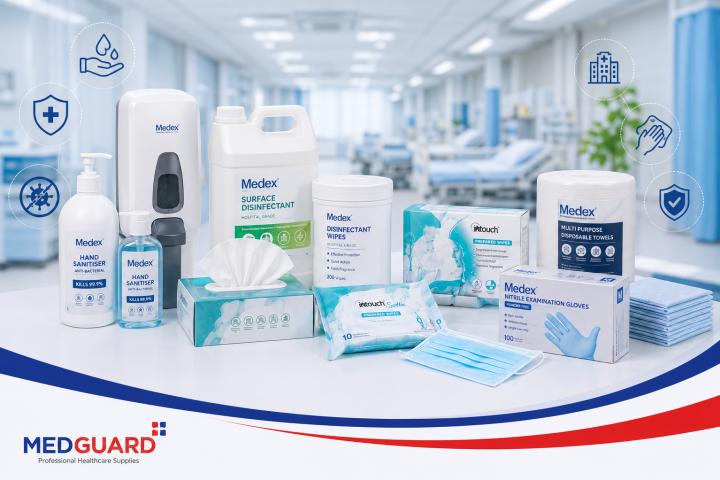

Medical gloves are essential for maintaining hygiene and preventing contamination in healthcare environments. One of the most important distinctions is between sterile and non-sterile gloves. Understanding their differences helps ensure the right choice for each task.
What Are Sterile Gloves?
Sterile gloves are specially processed to remove all microorganisms. They are individually packed and handled under strict conditions to maintain their sterility until use.
These gloves are required in situations where even minimal contamination can pose a serious risk, such as surgical procedures and other invasive treatments. They provide the highest level of protection and are designed to maintain a completely clean environment.
What Are Non-Sterile Gloves?
Non-sterile gloves are commonly used for general medical tasks. While they are clean and safe for use, they are not free from all microorganisms like sterile gloves.
They are typically supplied in bulk and are suitable for routine care where the risk of infection is lower. These gloves are widely used in everyday healthcare activities.
Key Differences
The main difference lies in the level of cleanliness and intended use. Sterile gloves are free from all microorganisms and are used in high-risk, sensitive procedures. Non-sterile gloves are used for basic protection during routine tasks.
Sterile gloves are individually packaged, while non-sterile gloves are usually stored in boxes for quick access. Sterile gloves also follow stricter manufacturing and handling standards.
When to Use Sterile Gloves
Sterile gloves should be used during surgical procedures, invasive treatments, and any situation where maintaining a sterile field is critical. They are essential when there is direct contact with internal tissues or open wounds.
When to Use Non-Sterile Gloves
Non-sterile gloves are suitable for general examinations, patient care, and handling non-invasive procedures. They are also used for cleaning, handling equipment, and tasks where full sterility is not required.
Factors to Consider
The level of risk involved in the procedure should always guide the choice. High-risk procedures require sterile gloves, while low-risk tasks can be safely managed with non-sterile options.
Comfort and fit are also important, as gloves should allow ease of movement during use. In addition, proper disposal and hygiene practices should always be followed regardless of the glove type.
Conclusion
Sterile and non-sterile gloves serve different purposes in healthcare settings. Choosing the correct type based on the procedure ensures better infection control, protects both patients and staff, and supports safe and effective clinical practices.
Original Source :-