Recovery is a process that requires careful attention to comfort, support, and daily habits. While treatments and therapies are essential, the role of seating is often underestimated. The right seating can make a meaningful difference by reducing pain, supporting the body, and improving overall recovery outcomes. For patients who spend extended periods sitting, having proper support is not just beneficial—it is necessary.
Why Seating Plays a Critical Role in Recovery
During recovery, the body is more sensitive to strain and pressure. Sitting in an unsuitable chair can lead to poor posture, muscle fatigue, and increased discomfort. Over time, this can slow down healing and even create additional health concerns.
The right seating provides stability and support, allowing the body to maintain a natural position. This reduces stress on muscles and joints, helping the body focus on healing rather than compensating for discomfort.
Reducing Pain Through Proper Support
Pain is one of the biggest barriers to effective recovery. Poor seating can intensify pain by placing pressure on specific areas such as the lower back, hips, and shoulders. This discomfort can make it difficult for individuals to rest, move, or engage in recovery activities.
Supportive seating is designed to distribute body weight evenly, minimizing pressure points. Features like firm cushioning, proper back support, and armrests help reduce strain and provide relief. When pain is reduced, individuals can participate more actively in their recovery, leading to better outcomes.
Improving Posture and Spinal Alignment
Posture has a direct impact on both pain levels and recovery speed. Sitting in a slouched position can strain the spine and surrounding muscles, causing discomfort and long-term issues. For individuals recovering from surgery or injury, poor posture can delay progress and increase the risk of complications.
The right seating encourages proper alignment by supporting the natural curve of the spine. This helps maintain a balanced posture, reducing stress on the body and preventing unnecessary strain. Good posture not only reduces pain but also supports faster healing.
Enhancing Circulation for Better Healing
Healthy blood circulation is essential for recovery. It ensures that oxygen and nutrients reach the tissues, supporting repair and regeneration. Improper seating can restrict blood flow, leading to swelling, stiffness, and discomfort.
Well-designed seating promotes better circulation by keeping the body in an optimal position. When the feet are properly supported and the knees are aligned, blood flow improves. This contributes to faster healing and reduces the risk of complications such as swelling or fatigue.
Preventing Pressure-Related Issues
Patients who spend long periods sitting are at risk of developing pressure-related conditions, including sores and skin irritation. These issues can be painful and may require additional treatment, slowing down recovery.
The right seating helps prevent these problems by evenly distributing pressure across the body. Cushioned and supportive surfaces reduce stress on vulnerable areas, improving comfort and protecting the skin. This is particularly important for individuals with limited mobility.
Supporting Mobility and Daily Activities
Recovery is not just about rest it also involves gradually returning to daily activities. Seating that is difficult to use can limit movement and reduce independence. On the other hand, well-designed chairs make it easier to sit down, stand up, and adjust positions.
Chairs with appropriate height and supportive armrests provide the assistance needed for safe movement. This encourages individuals to stay active, which is an important part of recovery. Increased mobility can also boost confidence and improve overall well-being.
Promoting Comfort and Mental Well-Being
Comfort plays a significant role in how individuals experience recovery. Persistent discomfort can lead to frustration, stress, and reduced motivation. In contrast, a comfortable seating environment helps individuals relax and maintain a positive mindset.
The right seating supports both physical and mental comfort, creating a more pleasant recovery experience. A positive outlook can contribute to better adherence to recovery routines and improved outcomes.
Long-Term Health Benefits
The benefits of proper seating extend beyond the recovery period. Consistent use of supportive seating can prevent chronic issues such as back pain, poor posture, and fatigue. It also promotes healthier sitting habits, which are valuable in everyday life.
Investing in quality seating solutions is not just about immediate recovery it is about supporting long-term health and comfort.
Conclusion
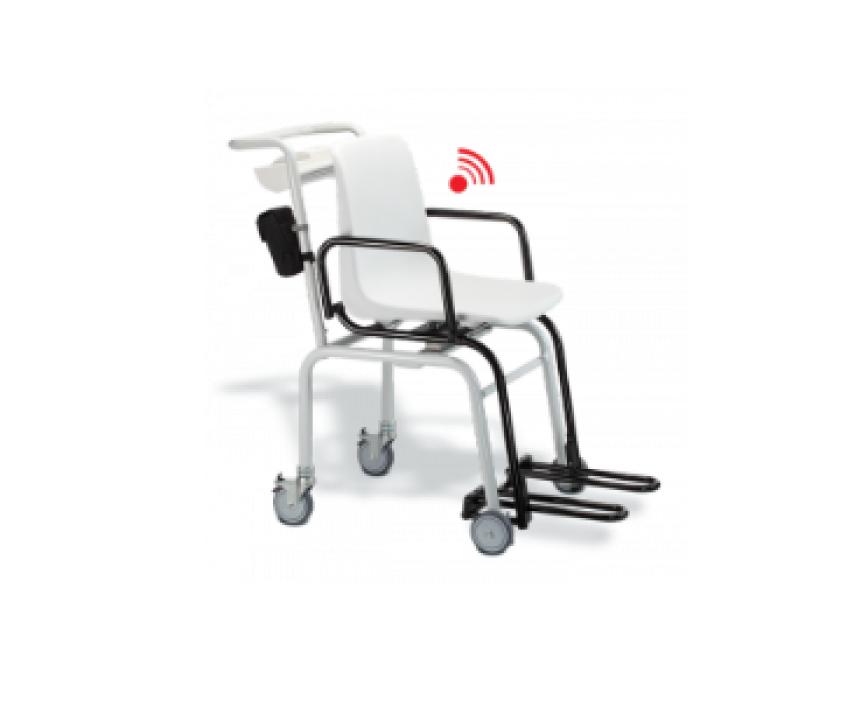
The right seating can have a powerful impact on reducing pain and improving recovery outcomes. By supporting proper posture, enhancing circulation, preventing pressure-related issues, and promoting comfort, it creates an environment that encourages healing. Choosing high-quality Chairs for healthcare ensures that patients receive the support they need throughout their recovery journey. With reliable solutions from Medguard, it becomes easier to create a safe, comfortable, and effective recovery environment that benefits both patients and caregivers.
Original Source :- https://blogsgod.com/how-proper-seating-improves-recovery-daily-living