
When Visual Data Becomes a Bottleneck Instead of an Asset
Most organizations today are surrounded by visual data security footage, product images, customer videos, and operational recordings. Yet, instead of driving value, this data often becomes a bottleneck. Teams lack the tools and expertise to process it efficiently, leading to missed insights and delayed decisions. The challenge is not about collecting more data but about making sense of what already exists. This is exactly why businesses are increasingly choosing to hire computer vision developers to convert visual overload into actionable intelligence that fuels growth.
The Business Case for Computer Vision in 2026
Computer vision has evolved from a niche AI capability into a mainstream business enabler. Organizations are using it to reduce operational costs, improve accuracy, and create better customer experiences. For example, companies can now automate visual inspections, monitor real-time activities, and personalize services based on user behavior. These capabilities directly impact revenue and efficiency. As a result, the decision to hire computer vision developers is no longer driven by experimentation but by clear business outcomes and competitive necessity.
What Computer Vision Developers Actually Deliver
There is often a misconception that computer vision developers only build models. In reality, their role is much broader and more strategic. They design end-to-end systems that include data pipelines, model training, deployment, and continuous optimization. They ensure that the solution works in real-world conditions, not just in controlled environments. More importantly, they align technical capabilities with business objectives, ensuring that every solution delivers measurable value. Hiring the right developers means gaining partners who can turn complex challenges into scalable solutions.
Why DIY AI Projects Often Fail
Many organizations attempt to build computer vision solutions internally without the necessary expertise. While this approach may seem cost-effective initially, it often leads to suboptimal results. Models may lack accuracy, systems may fail to scale, and integration with existing infrastructure can become a major hurdle. These challenges not only delay projects but also increase costs over time. By choosing to hire computer vision developers with proven experience, businesses can avoid these pitfalls and accelerate their journey from concept to deployment.
From Proof of Concept to Production-Ready Systems
One of the biggest challenges in AI adoption is moving from proof of concept to full-scale implementation. Many companies successfully build prototypes but struggle to deploy them in real-world environments. This gap exists because production systems require robustness, scalability, and integration capabilities that go beyond initial development. Computer vision developers play a crucial role in bridging this gap. They ensure that solutions are optimized for performance, capable of handling large volumes of data, and seamlessly integrated into existing workflows.
Industry Applications That Drive Real ROI
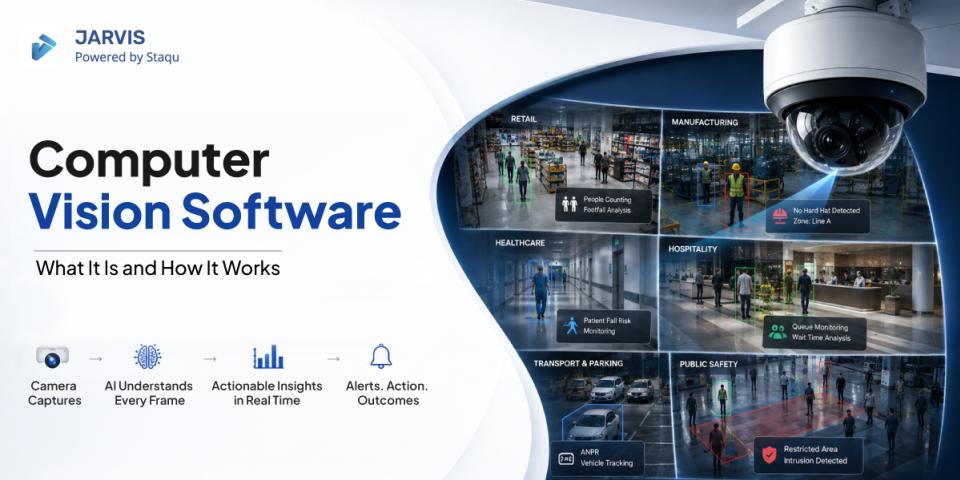
The decision to hire computer vision developers is often justified by the tangible value they bring across industries. In manufacturing, computer vision reduces defects and improves quality control, leading to significant cost savings. In retail, it enables smarter inventory management and enhances customer engagement. Healthcare providers use it to improve diagnostic accuracy and streamline operations. Even sectors like logistics and agriculture are leveraging computer vision to optimize processes and increase efficiency. These applications demonstrate how visual intelligence can directly impact business performance.
What to Look for Beyond Technical Skills
While technical expertise is essential, businesses should also focus on other qualities when hiring computer vision developers. The ability to understand business requirements, communicate effectively, and collaborate with cross-functional teams is critical. Developers should be able to translate complex technical concepts into practical solutions that align with organizational goals. Additionally, adaptability is important, as the field of computer vision is constantly evolving. Hiring developers who can learn and innovate ensures long-term success.
Balancing Cost, Quality, and Speed in Hiring
Hiring computer vision developers involves balancing multiple factors, including cost, quality, and speed. While it may be tempting to prioritize cost savings, this approach can lead to compromises in quality and performance. On the other hand, investing in highly skilled developers can accelerate development and deliver better results. Businesses should evaluate their priorities and choose a hiring approach that aligns with their goals. Whether it’s building an in-house team or partnering with external experts, the focus should be on achieving the best overall value.
The Role of Data in Successful Implementations
Data plays a critical role in the success of computer vision projects. High-quality, well-structured data is essential for training accurate models. However, many organizations struggle with data-related challenges, such as inconsistency, lack of labeling, and limited accessibility. Computer vision developers address these issues by implementing data preprocessing techniques, creating efficient pipelines, and ensuring data security. Their expertise ensures that models are trained effectively and deliver reliable results in real-world scenarios.
Emerging Trends That Are Redefining Computer Vision
The field of computer vision is evolving rapidly, with new trends shaping its future. Edge computing is enabling real-time processing of visual data, reducing latency and improving efficiency. Augmented reality is creating immersive experiences, while AI-powered analytics is providing deeper insights. These advancements are expanding the possibilities of computer vision and creating new opportunities for businesses. Hiring skilled developers ensures that organizations can stay ahead of these trends and leverage them effectively.
Why Timing Matters in AI Adoption
Timing is a critical factor in the success of any technology adoption. Businesses that act early can experiment, learn, and refine their strategies before the competition catches up. Hiring computer vision developers at the right time allows organizations to build expertise, develop innovative solutions, and establish a strong market presence. Delaying adoption, on the other hand, can result in missed opportunities and increased competition. Being proactive is key to gaining a competitive edge.
Building a Long-Term Vision Strategy
Hiring computer vision developers should not be seen as a one-time decision but as part of a long-term strategy. Businesses need to continuously evolve their capabilities, adapt to new technologies, and explore new use cases. This requires a commitment to innovation and a willingness to invest in talent. By building a strong team of developers, organizations can create a foundation for sustained growth and success in the AI-driven future.
Conclusion: Making the Right Investment for Future Growth
Computer vision has the power to transform how businesses operate, making processes more efficient, decisions more accurate, and experiences more personalized. However, unlocking this potential requires the right expertise and strategic approach. Choosing to hire computer vision developers is a critical step toward building intelligent, scalable solutions that deliver real value. As the demand for visual intelligence continues to grow, businesses that invest in the right talent today will be the ones leading the market tomorrow.
Also Read - Artificial Intelligence Invoice Reconciliation Software